


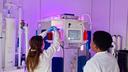
Biotechnology study program earns prestigious Joint European Degree Label
Translated from Croatian, summarized and contextualized by DistantNews.
At a glance
News
Named sources
Context piece
- The "Biotechnology of the Sea" joint European study program has received the new "Joint European Degree Label."
- This label recognizes the program's high academic quality, joint management, mobility, multilingualism, and European values.
- The program, involving universities from the EU CONEXUS alliance including the University of Zadar, requires students to study at multiple institutions across different countries.
The "Biotechnology of the Sea" joint European study program is among the first to receive the prestigious "Joint European Degree Label." This new quality mark, awarded by the European Commission, recognizes programs developed within European university alliances that meet stringent criteria for academic excellence and European integration.
The program, jointly delivered by universities within the EU CONEXUS alliance, including the University of Zadar, is designed to foster a truly international academic experience. The "Joint European Degree Label" is not a separate diploma but a European quality endorsement highlighting shared standards in academic quality, collaborative governance, teaching, student mobility, interdisciplinarity, multilingualism, inclusivity, digital education, sustainability, and the promotion of European values.
The 'Biotechnology of the Sea' study program is a good example of what the label aims to recognize. It lasts two years and upon completion, students earn 120 ECTS credits. It is conducted in English, and students are required to change universities, countries, laboratories, and academic environments during their studies.
Students in the "Biotechnology of the Sea" program, which lasts two years and awards 120 ECTS credits, undertake studies in English. They are required to move between universities, countries, laboratories, and academic environments. The first year begins in Valencia and continues in La Rochelle, followed by international internships. Students then choose a specialization at one of the five partner universities, including the University of Zadar, before completing their thesis at a partner institution. This structure ensures students gain experience studying and working in at least three different countries.
The experience was truly great, and my colleagues from the study program...
DistantNews Editorial
Originally published by Večernji List in Croatian. Translated, summarized, and contextualized by our editorial team with added local perspective. Read our editorial standards.
More Stories



From Our Blog

What Gets Lost (and Found) When News Is Translated

The Critical Role of Diaspora Media in Global News

What Travellers Should Know About Countries with Restricted Press

A Digital Nomad's Guide to Following Local News

How the Same Story Looks Different in Different Countries
