

Bison's return spurs ecological change in Cuatro Ciénegas reserve
Translated from Spanish, summarized and contextualized by DistantNews.
At a glance
News
Named sources
Context piece
- The reintroduction of the American bison to the El Santuario reserve in Cuatro Ciénegas, Coahuila, is positively impacting ecological restoration.
- Bison presence helps decompact soil, promoting grass germination and water infiltration, while their dust baths create water-capturing basins.
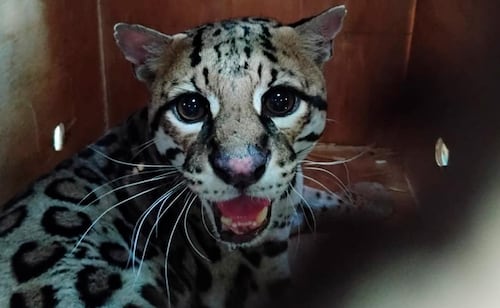
- The initiative has led to the return of species like puma and lynx, increased vegetation cover, and reactivated nutrient cycles, benefiting the entire ecosystem.
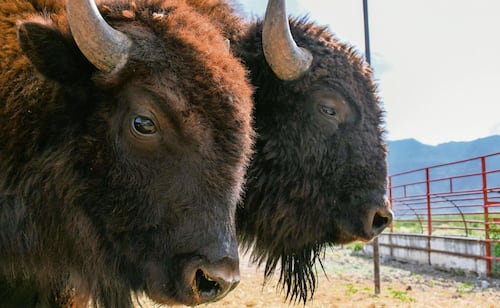
The return of the American bison to the El Santuario reserve in Cuatro Ciénegas, Coahuila, is proving to be a powerful catalyst for ecological restoration. After more than a century of absence, the presence of these large mammals is not just a historical correction but a vital force for ecosystem health.
Since the arrival of 44 bison from Janos and three from the Desert Museum last November, their adaptation has been remarkably successful, with eight calves born in the reserve. This indicates their excellent health and the suitability of the environment. Gerardo Ruiz, director of the Pro Cuatro Ciénegas Foundation, expressed hope in seeing how "it is possible to reactivate the dynamics and health of an ecosystem, simply by bringing back the key species that were there and should be there, and which were eradicated by human actions."
It is hopeful to see how it is possible to reactivate the dynamics and health of an ecosystem, simply bringing back the key species that were there and should be there, and which were eradicated by human actions. How something so simple begins to trigger this series of positive effects in an ecosystem.
The bison's impact begins with their physical presence. Their hooves and weight, ranging from 500 to 700 kilograms, decompact the soil, breaking up the surface crust that hinders grass germination. Their "dust baths" create small basins that capture rainwater, improving soil absorption and fostering new vegetation growth. These plants, in turn, provide food for both bison and other wildlife, increasing vegetation cover and protecting the soil.
Furthermore, the bison act as natural seed dispersers. Seeds cling to their wool and are spread across the terrain, germinating in the depressions left by their dust baths. The reactivation of nutrient cycles is also evident, with bison dung attracting dung beetles that bury organic matter, enhancing soil fertility and carbon capture. Even local birds benefit, using bison wool as insulation. The return of the bison is visibly revitalizing the region's biodiversity in unexpected ways.
There is a lot of new growth, new germination of plants, of grass and other species, which is excellent news because it increases coverage, creating new islands of vegetation that protect the soil from compaction and solar radiation, and with the roots, it improves the soil's capacity to absorb rainwater, and evidently, it generates even more food for both the bison and other fauna species.
DistantNews Editorial
Originally published by El Universal in Spanish. Translated, summarized, and contextualized by our editorial team with added local perspective. Read our editorial standards.
More Stories


From Our Blog

What Press Freedom Means for the News You Read

What Gets Lost (and Found) When News Is Translated

The Critical Role of Diaspora Media in Global News

What Travellers Should Know About Countries with Restricted Press

A Digital Nomad's Guide to Following Local News
