


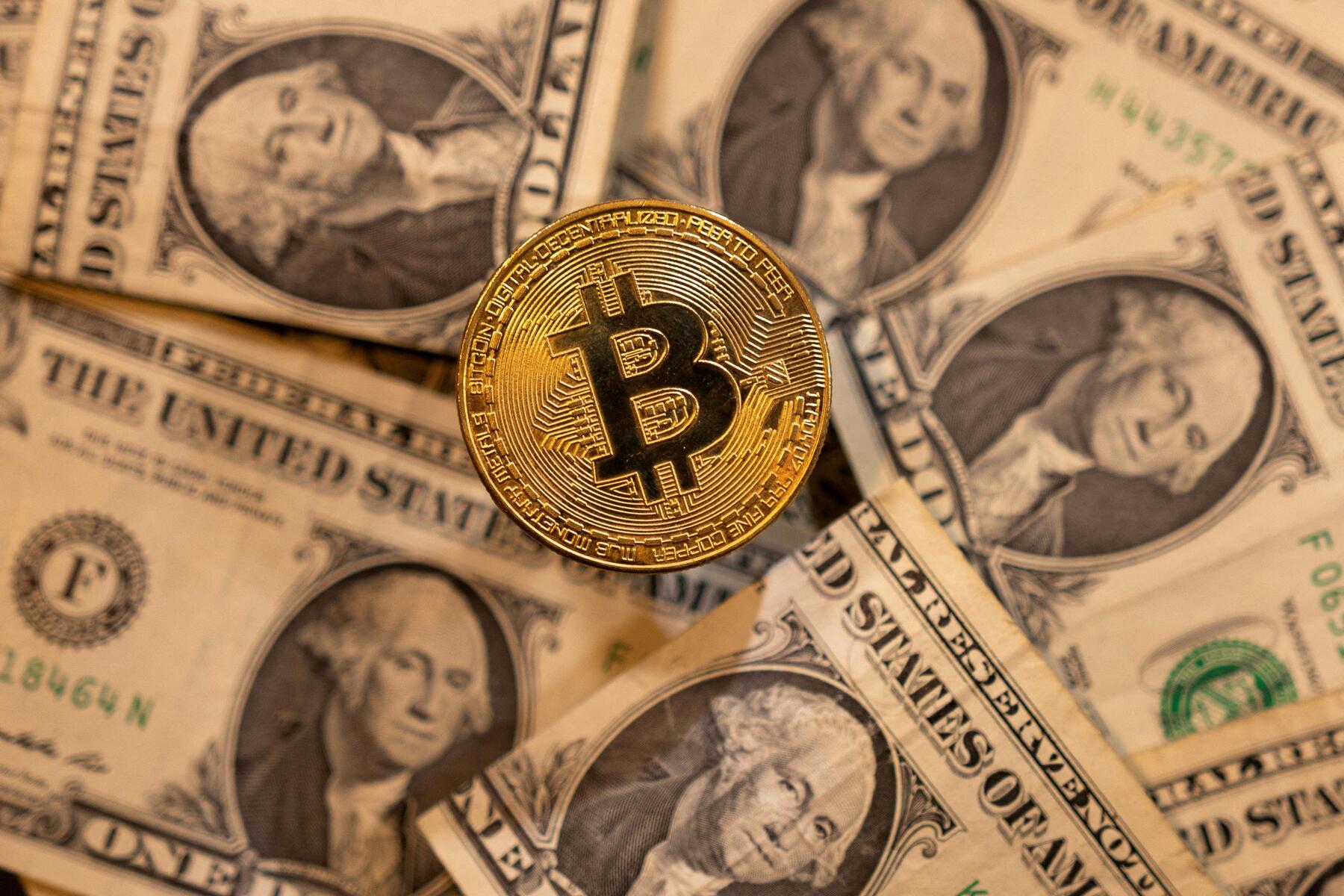
Bitcoin in Free Fall: Why This Bear Market Is So Severe
Translated from German, summarized and contextualized by DistantNews.
At a glance
Analysis
Named sources
Context piece
- Bitcoin has entered a severe bear market, with prices falling significantly from their previous highs.
- Michael Saylor's sale of 32 Bitcoin has exacerbated the downturn, contradicting his previous advice to never sell.
- The financial stability of Saylor's company, Strategy, is under scrutiny due to its financing methods and upcoming debt obligations.
Bitcoin has plunged into a deep bear market, with prices falling sharply from their peak. Mark Valek, a partner at the investment firm Incrementum, had previously warned that the approval of Bitcoin ETFs in the U.S. and increased institutional access might not lead to greater stability, a prediction that now appears accurate.
Bitcoin recently traded below $60,000, a stark contrast to its October 2025 price of $126,000. The downturn intensified after Michael Saylor, CEO of Strategy, sold 32 Bitcoin, a move that surprised the market as he had consistently advised against selling.
I have always said that this concentration among a homogeneous group of investors like the ETF investors or a single investor like Michael Saylor represents a risk.
Strategy remains the world's largest Bitcoin holder after its creator, Satoshi Nakamoto, with 843,000 Bitcoin valued at $51 billion. However, Saylor's sale sent a negative signal. Valek noted that the concentration of holdings among homogenous groups like ETF investors or a single large investor like Saylor poses a risk, which now seems to be materializing.
While Valek doesn't anticipate Strategy's collapse, the situation remains precarious. The company financed its Bitcoin purchases through equity, convertible bonds, and preferred shares. Upcoming dividend payments total $1.2 billion this year, and a significant portion of convertible bonds mature between 2028 and 2032, with some offering early redemption rights. If Saylor loses access to capital markets, he might be forced to sell more Bitcoin, further impacting the market.
This risk now appears to be materializing.
DistantNews Editorial
Originally published by Die Presse in German. Translated, summarized, and contextualized by our editorial team with added local perspective. Read our editorial standards.
More Stories



From Our Blog

What Gets Lost (and Found) When News Is Translated

The Critical Role of Diaspora Media in Global News

What Travellers Should Know About Countries with Restricted Press

A Digital Nomad's Guide to Following Local News

How the Same Story Looks Different in Different Countries
