


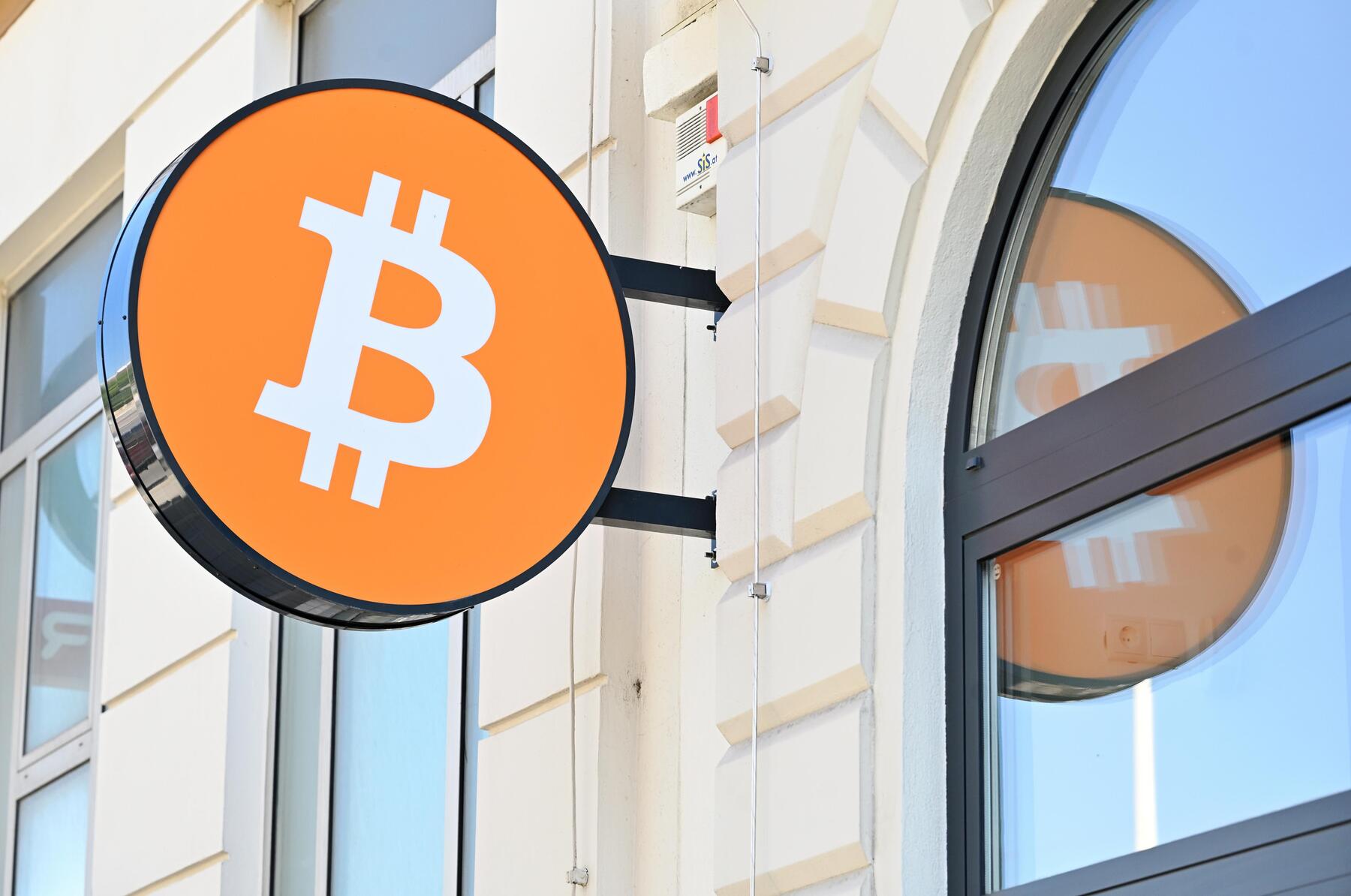
Bitcoin's future: What happens when all coins are mined?
Translated from German, summarized and contextualized by DistantNews.
At a glance
Explainer
Sources not specified
Context piece
- Bitcoin's mining reward halves approximately every four years, with the last new Bitcoin expected around 2140.
- After 2140, miners will rely solely on transaction fees for income, with their amounts determined by market demand.
- The difficulty adjustment mechanism ensures new blocks are found roughly every ten minutes, regardless of total computing power, stabilizing the network.
Many people associate Bitcoin solely with its price fluctuations, but deeper technical aspects, such as the difficulty adjustment in mining, also draw significant interest. This automatic adjustment ensures that a new block is added to the blockchain approximately every ten minutes, regardless of the total computing power dedicated to mining. This mechanism is crucial for maintaining the network's stability and predictable issuance rate.
The Bitcoin network relies on miners to verify transactions and secure the blockchain. Currently, miners receive a reward of 3.125 Bitcoin for each new block they add. This reward is halved roughly every four years in an event known as the halving. The process will continue until all 21 million Bitcoin are in circulation, an event projected to occur around the year 2140. After this point, miners will earn income exclusively from transaction fees paid by users.
Concerns about mining profitability are valid for individual miners. The process requires significant hardware and electricity costs. If the Bitcoin price drops, less efficient miners may cease operations. However, the difficulty adjustment automatically lowers the computational challenge, making mining profitable again, even with older equipment or reduced electricity consumption. This ensures the network continues to function.
Regarding the storage of Bitcoin, when users exchange fiat currency for Bitcoin, the seller receives the fiat money, and the Bitcoin is recorded on the blockchain. Users store the access keys to their Bitcoin in a digital wallet. If Bitcoin is held on a cryptocurrency exchange, the exchange manages these keys. The decentralized nature of Bitcoin is often contrasted with central banks. While central banks can provide liquidity during crises and aim to stabilize prices, critics argue they can also expand the money supply to the detriment of savers and sometimes fuel economic problems like inflation or asset bubbles. Bitcoin's global, decentralized network, however, is designed to prevent arbitrary money creation.
DistantNews Editorial
Originally published by Die Presse in German. Translated, summarized, and contextualized by our editorial team with added local perspective. Read our editorial standards.
More Stories


From Our Blog

What Gets Lost (and Found) When News Is Translated

The Critical Role of Diaspora Media in Global News

What Travellers Should Know About Countries with Restricted Press

A Digital Nomad's Guide to Following Local News

How the Same Story Looks Different in Different Countries
