

Black Cumin Harvest Begins: Farmers' New Favorite in Adıyaman
Translated from Turkish, summarized and contextualized by DistantNews.
At a glance
News
Sources not specified
Context piece
- Farmers in Adıyaman, Turkey, are expanding black cumin cultivation as an alternative to traditional crops like tobacco, barley, wheat, and chickpeas.
- This shift is driven by climate change impacts, including drought and frost, and the crop's low input costs, ease of processing, and high market demand, particularly for export to countries like the US and Germany.
- The Ministry of Agriculture and Forestry supports this diversification, aiming to mitigate climate change effects on agriculture and boost farmers' incomes, with approximately 2,250 decares currently dedicated to black cumin trials.
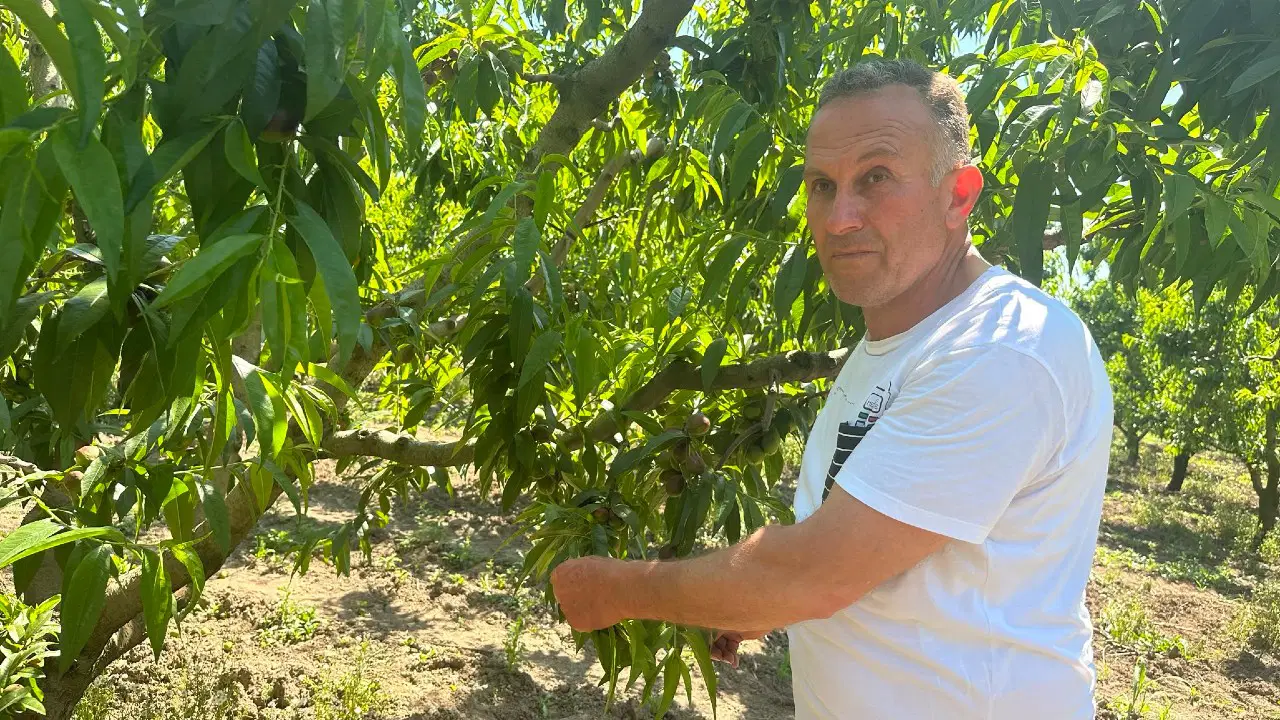
In Adıyaman, Turkey, farmers are increasingly turning to black cumin cultivation, a resilient crop suited to challenging climate conditions. This move away from traditional staples like tobacco, barley, wheat, and chickpeas is a direct response to the growing impacts of climate change, including drought, frost, and dwindling water resources.
We are continuing our work to bring new products suitable for the ecological conditions of our province into production and to diversify the production pattern.
The Ministry of Agriculture and Forestry is actively promoting this diversification. "We are continuing our work to bring new products suitable for the ecological conditions of our province into production and to diversify the production pattern," said Adıyaman Provincial Director of Agriculture and Forestry Abdulkadir Akkan. He highlighted black cumin's low water consumption, drought resistance, and high added value as key advantages for producers.
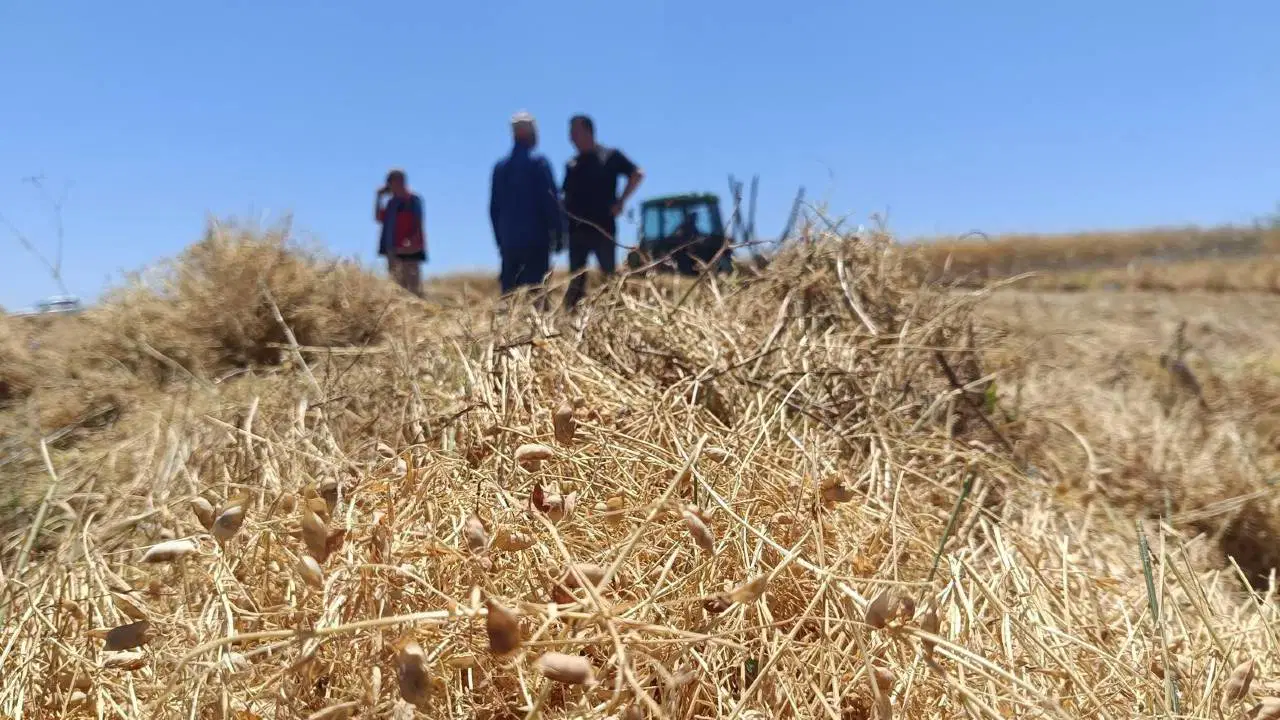
Today, we are carrying out the preparation of the black cumin demonstration studies we are conducting in our province. Environmental factors such as climate change, desertification risk and reduction in our water resources, spring frosts and drought, which have increased their impact in our country in recent years, especially in Adıyaman, have made climate-compatible production models even more important in agricultural production.
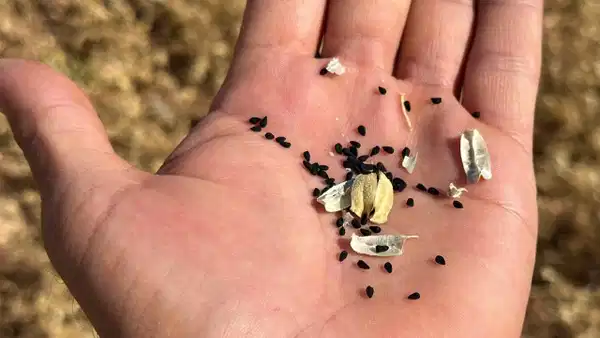
This year, approximately 2,250 decares in Adıyaman have been dedicated to black cumin trials. The crop is valued not only for its use in the food industry as an aromatic plant but also in cosmetics and pharmaceuticals. Its ease of cultivation with existing machinery, low production costs, and strong market demand, especially for export to the United States and Germany, make it an attractive alternative for farmers seeking to diversify their income sources and adapt to environmental challenges.
Black cumin is a product that has an important place among medicinal and aromatic plants, consumes little water, can be successfully grown on barren lands, and is suitable for crop rotation. It constitutes an important alternative for our producers due to its easy production with existing agricultural machinery, low production cost, and high added value.
DistantNews Editorial
Originally published by Cumhuriyet in Turkish. Translated, summarized, and contextualized by our editorial team with added local perspective. Read our editorial standards.
More Stories

From Our Blog

What Gets Lost (and Found) When News Is Translated

The Critical Role of Diaspora Media in Global News

What Travellers Should Know About Countries with Restricted Press

A Digital Nomad's Guide to Following Local News

How the Same Story Looks Different in Different Countries
