


Black Sea Defense Pact: How We Lose the War If We Don't Produce Together
Translated from Romanian, summarized and contextualized by DistantNews.
At a glance
News
Sources not specified
Context piece
- The Black Sea region's security is a critical focus, with Ankara hosting a summit to translate political consensus into operational actions for the region.
- Despite hosting vital European energy, digital, and trade infrastructure, Black Sea states (Romania, Bulgaria, Turkey, Ukraine, Georgia) are industrially underutilized in defense, with Turkey being a notable exception.
- The summit aimed to transform a fragmented defense industrial landscape into an integrated regional shield, addressing the paradox of the region's exposure and underutilization.
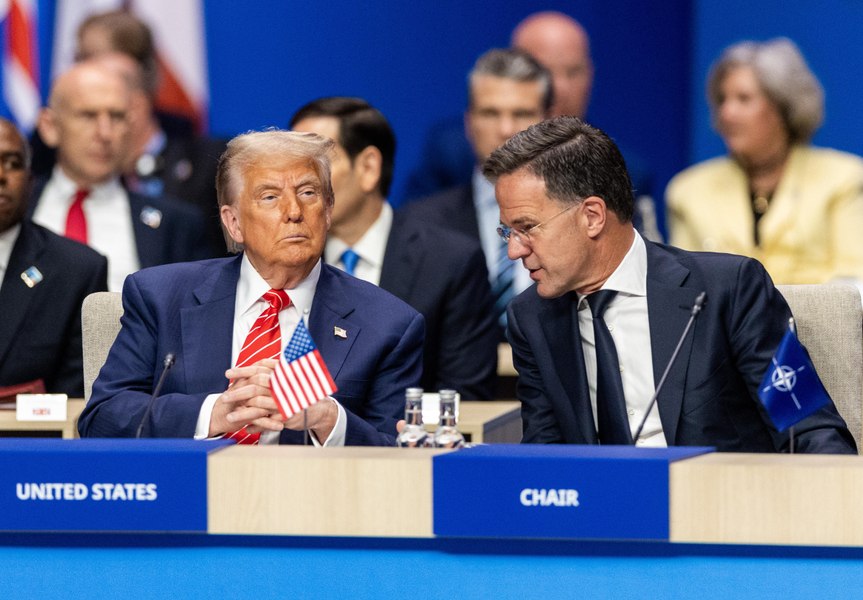
Ankara, Turkey, buzzed with intense activity during a major security summit, transforming the capital into a global security epicenter. The logistical and security mobilization was total, with visible police cordons, official motorcades, and a high density of dignitaries, military leaders, and strategists. This demonstration of rigorous organization underscored the high stakes of the discussions.
I wish to express my thanks to the Aspen Institute Romania and the Aspen Institute Kyiv for the opportunity to participate in this useful debate, hosted in Ankara – a strategic space, organized on the sidelines of the NATO Summit 2026, which took place at a defining moment for our collective security and regional defense architecture.
Delegates from NATO member states and allied nations grappled with a critical challenge: how to convert a fragmented defense industrial landscape into an integrated regional shield for the Black Sea theater. This region, encompassing Romania, Bulgaria, Turkey, Ukraine, and Georgia, lies on the front lines of NATO's most active threat environment.
The Black Sea region presents a paradox that defines the contemporary security architecture of NATO's Eastern Flank. The five littoral states – Romania, Bulgaria, Turkey, Ukraine, and Georgia – are on the front line of the Alliance's most active threat environment, hosting the critical infrastructure on which Europe's energy, digital, and commercial security depend.
The Black Sea states host crucial infrastructure for Europe's energy, digital, and commercial security. While Georgia and Moldova contribute to regional maritime monitoring and early warning networks, their institutional alignment with Western structures varies. Despite their strategic importance, these states are described as "industrially underutilized," with defense industrial bases underfunded and poorly integrated into the broader transatlantic defense ecosystem. Turkey stands out as a significant exception, having developed its defense industry considerably over the past two decades.
However, these same states remain, in the terms of a recent Aspen Institute analysis, 'industrially underutilized.' Their defense industrial bases remain underfunded, insufficiently reformed, and insufficiently integrated into the broader transatlantic defense ecosystem.
DistantNews Editorial
Originally published by Adevărul in Romanian. Translated, summarized, and contextualized by our editorial team with added local perspective. Read our editorial standards.
More Stories


From Our Blog

What Gets Lost (and Found) When News Is Translated

The Critical Role of Diaspora Media in Global News

What Travellers Should Know About Countries with Restricted Press

A Digital Nomad's Guide to Following Local News

How the Same Story Looks Different in Different Countries
