


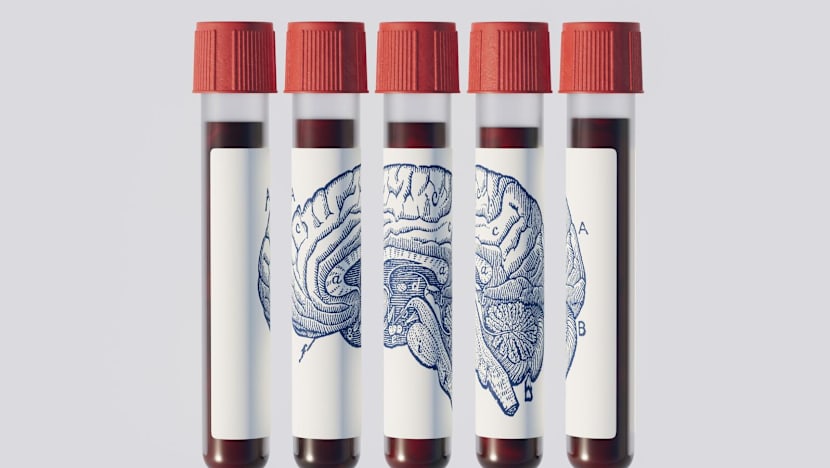
Blood test could predict Alzheimer's risk years before symptoms appear
Translated from English, summarized and contextualized by DistantNews.
At a glance
News
Sources not specified
Context piece
- Scientists are developing blood tests that could predict Alzheimer's disease risk up to 20 years before symptoms appear.
- These tests measure modified forms of tau protein, which correlate with amyloid buildup in the brain, a hallmark of Alzheimer's.
- The development aims to enable early diagnosis and intervention as new preventative treatments become available.
A new generation of blood tests holds the potential to predict Alzheimer's disease risk years, or even decades, before cognitive symptoms manifest. Two such tests were approved by the U.S. Food and Drug Administration last year for diagnosing Alzheimer's in symptomatic individuals. Researchers are now investigating their ability to identify at-risk individuals long before memory loss begins, with one study suggesting a prediction window of up to 20 years.
This advancement aligns with the growing effort to diagnose Alzheimer's at its earliest stages, coinciding with the development of treatments aimed at preventing or delaying cognitive decline. Several drugs are currently in clinical trials, with results anticipated in 2027. However, the accuracy and limitations of these early detection tests are still under scrutiny.
We think of tau tangles and neurodegeneration as the raging fire that does the most damage in people with Alzheimer’s disease. I think of amyloid plaques as the smouldering kindling, not causing much damage itself, but leading to that raging fire.
The underlying science focuses on two key proteins in the brain: amyloid beta and tau. Amyloid plaques, considered the "kindling" for the disease, can form up to two decades before symptoms appear. Tau tangles, the "raging fire" that causes significant neuronal damage, emerge later, often alongside cognitive impairment. While traditional diagnostic methods like PET scans and cerebrospinal fluid tests are invasive and costly, blood tests offer a more accessible alternative.
Initial attempts to measure amyloid directly in blood proved challenging due to its presence from non-brain sources. Researchers then shifted focus to modified forms of tau protein, such as pTau181 and pTau217. These modified tau levels in the blood serve as a reliable indicator of amyloid buildup in the brain, offering a promising avenue for early and accessible Alzheimer's risk assessment.
Amyloid in blood is really complicated to measure. For one, there’s a lot of amyloid that gets into blood that’s also made from non-brain sources, like the heart.
DistantNews Editorial
Originally published by CNA in English. Translated, summarized, and contextualized by our editorial team with added local perspective. Read our editorial standards.
More Stories



From Our Blog

What Gets Lost (and Found) When News Is Translated

The Critical Role of Diaspora Media in Global News

What Travellers Should Know About Countries with Restricted Press

A Digital Nomad's Guide to Following Local News

How the Same Story Looks Different in Different Countries
