

UN agencies launch $1 million project to contain screwworm outbreak
Summarized and contextualized by DistantNews.
At a glance
News
From a news agency
New plan
- UN agencies have launched a $1 million project to combat a screwworm outbreak in the Americas.
- The pest, which feeds on live flesh and can kill animals, has reappeared in Central America and Mexico and was confirmed in the US for the first time in over 40 years.
- The project aims to address a shortage of sterile flies, produced using radiation, which are crucial for controlling the population by mating with wild flies.
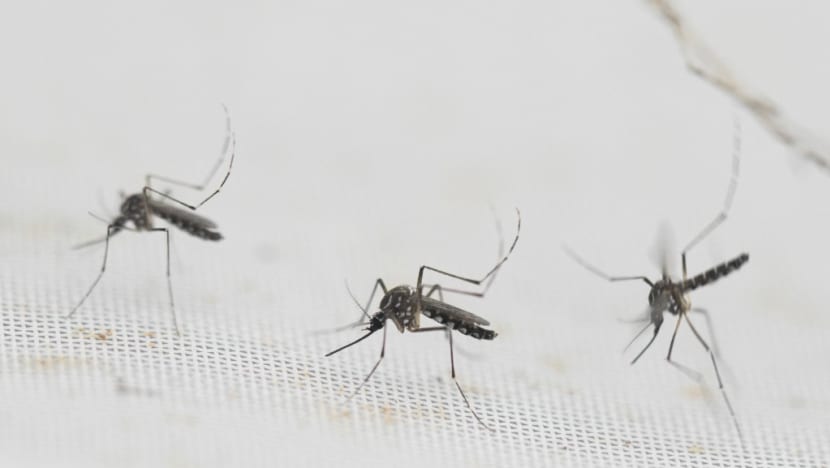
The International Atomic Energy Agency (IAEA) and the UN Food and Agriculture Organization (FAO) have initiated a $1 million research project to contain a significant screwworm outbreak affecting the Americas. This invasive pest, which poses a severe threat to livestock, wildlife, and pets, has resurfaced in Central America and Mexico and was recently detected in the United States for the first time in more than four decades.
The screwworm fly lays its eggs in the wounds of warm-blooded animals. Upon hatching, the larvae consume living flesh, often leading to the host's death if left untreated. The re-emergence of this pest has raised concerns about animal health and could potentially impact beef prices, which are already near record highs.
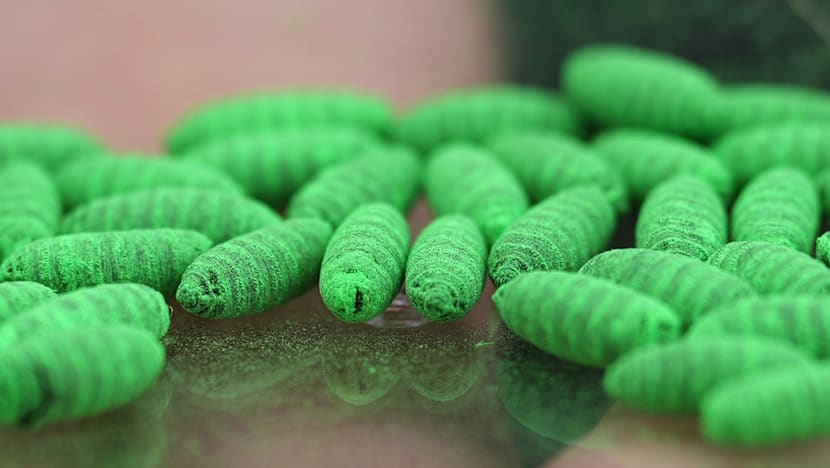
A key component of the containment strategy involves the sterile insect technique (SIT). This method entails releasing flies that have been sterilized through radiation. These sterile males then mate with wild females, rendering them unable to reproduce and thereby reducing the overall population over time. This technique was instrumental in eradicating the screwworm from the US, Mexico, and Central America in a previous campaign.
However, emergency response efforts face a significant challenge: a shortage of sterile flies. Current emergency responses could require up to 600 million sterile flies weekly, but the only operational facility, located in Panama, produces approximately 100 million. Planned expansions in Metapa de Dominguez, Mexico, and Mission, Texas, aim to increase production capacity to an additional 400 million sterile flies per week in the coming years, a crucial step in managing this persistent threat.
DistantNews Editorial
Originally published by CNA. Summarized and contextualized by our editorial team with added local perspective. Read our editorial standards.
More Stories



From Our Blog

What Gets Lost (and Found) When News Is Translated

The Critical Role of Diaspora Media in Global News

What Travellers Should Know About Countries with Restricted Press

A Digital Nomad's Guide to Following Local News

How the Same Story Looks Different in Different Countries
