


Blowout Microsoft results lift US stocks as oil retreats
Summarized and contextualized by DistantNews.
At a glance
News
Named sources
Context piece
- Wall Street stocks rebounded on Thursday, led by a surge in Microsoft shares following strong earnings results.
- Microsoft's stock jumped over 15 percent, driven by its cloud and artificial intelligence divisions, boosting major US indices, particularly the Nasdaq.
- Moderating oil prices and ongoing Iran-US negotiations also contributed to market optimism, despite concerns over rising US Treasury yields and the Federal Reserve's monetary policy.
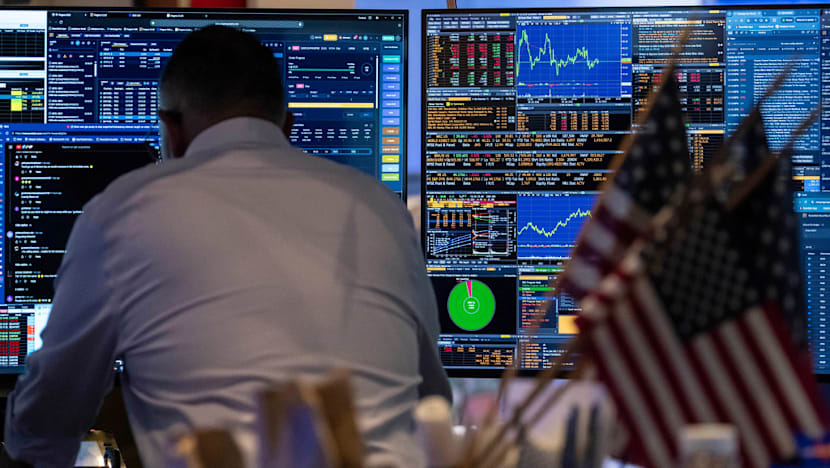
Wall Street stocks experienced a significant rebound on Thursday, July 30, 2026, with blowout earnings from Microsoft providing a major catalyst. The tech giant's shares soared more than 15 percent, propelled by robust performance in its cloud computing and artificial intelligence sectors. This surge significantly lifted all three major US indices, with the Nasdaq Composite leading the gains, adding 2.8 percent.
"A good deal of enthusiasm for Microsoft and tech is helping the tape," commented Art Hogan of B. Riley Wealth Management, reflecting the market's positive reaction. Analysts also noted the supportive influence of moderating oil prices on equities. This sentiment was further bolstered by comments from Pakistan indicating that negotiations between Iran and the United States were continuing, despite escalating strikes between the two nations.
A good deal of enthusiasm for Microsoft and tech is helping the tape
The strong Microsoft results arrived at a critical juncture for the tech sector, which had faced a challenging July after substantial gains in the second quarter. Major US tech companies have been investing billions in artificial intelligence infrastructure and model development, making this earnings season a key indicator of whether current valuations are justified. While Facebook's parent company, Meta, saw its stock fall eight percent due to concerns over its AI spending, Microsoft's earnings offered reassurance.
"Traders are still differentiating between companies," observed Chris Low of FHN Financial, viewing this selectivity as a healthy sign. The market's performance contrasted with Wednesday's decline, which saw major indices drop over 1.5 percent following a press conference by new Federal Reserve Chair Kevin Warsh. Markets interpreted his remarks on price stability alongside the Fed's decision not to hike rates as a "hawkish pause," suggesting a potential rate increase later in the year. Meanwhile, the Bank of England maintained its benchmark rate, though it warned of rising UK inflation due to elevated energy prices linked to the US-Iran conflict.
Traders are still differentiating between companies
DistantNews Editorial
Originally published by CNA. Summarized and contextualized by our editorial team with added local perspective. Read our editorial standards.
More Stories


From Our Blog

What Gets Lost (and Found) When News Is Translated

The Critical Role of Diaspora Media in Global News

What Travellers Should Know About Countries with Restricted Press

A Digital Nomad's Guide to Following Local News

How the Same Story Looks Different in Different Countries
