


BMKG detects Anak Krakatau volcanic ash over parts of western Java and issues public advice
Translated from Indonesian and summarized by DistantNews. Read the original for the full story.
At a glance
News
Official statement
Ongoing story
- BMKG detected volcanic ash from Anak Krakatau over parts of Jakarta, Banten and West Java at 9 a.m. local time on Sept. 6, based on Himawari-9 satellite imagery.
- West Java authorities advised residents to wear masks and eye protection, stay indoors during ashfall and keep doors, windows and vents closed.
- Residents were told to avoid driving if visibility worsens, clean ash carefully and follow updates from official agencies.
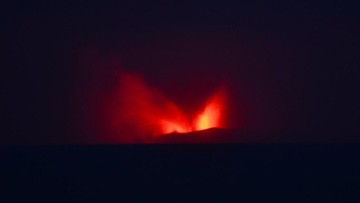
Volcanic ash from Anak Krakatau was detected over parts of Jakarta, Banten and West Java on Sunday morning, according to the Meteorology, Climatology and Geophysical Agency’s regional office.
The agency identified the ash spread at 9 a.m. local time on Sept. 6 through analysis of RGB imagery from the Himawari-9 satellite.
Reduce outdoor activity while the ashfall continues.
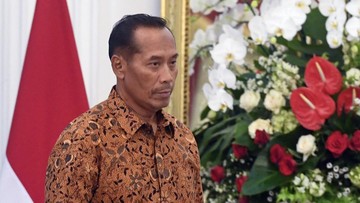
Teten Ali, head of the West Java Regional Disaster Management Agency, urged residents to wear masks if ashfall occurs and to protect their eyes when outside. “Reduce outdoor activity while the ashfall continues,” he said.
He also advised residents to close doors, windows and ventilation openings to limit ash entering homes. People should avoid driving if visibility is impaired, clean ash carefully without stirring it back into the air, and continue monitoring official updates from the regional disaster agency, the Center for Volcanology and Geological Hazard Mitigation, and BMKG.
Avoid driving if visibility is impaired.
About this summary
Originally published by Republika in Indonesian. Translated, summarized, and contextualized automatically by DistantNews, with a note on how the source frames the story. Not individually reviewed before publishing. How this works.
More Stories

From Our Blog

News in Translation: What Gets Lost, and How We Keep the Framing

Diaspora Media: How Communities Follow News From Home

Traveling Where the Press Is Not Free: How to Read the News There

The Digital Nomad's Guide to Local News

The Same Story, Different Countries: How Coverage Changes at the Border
