

BN's landslide Johor victory boosts coalition leverage, pressures PM Anwar
Translated from English, summarized and contextualized by DistantNews.
At a glance
News
Named sources
Outcome reported
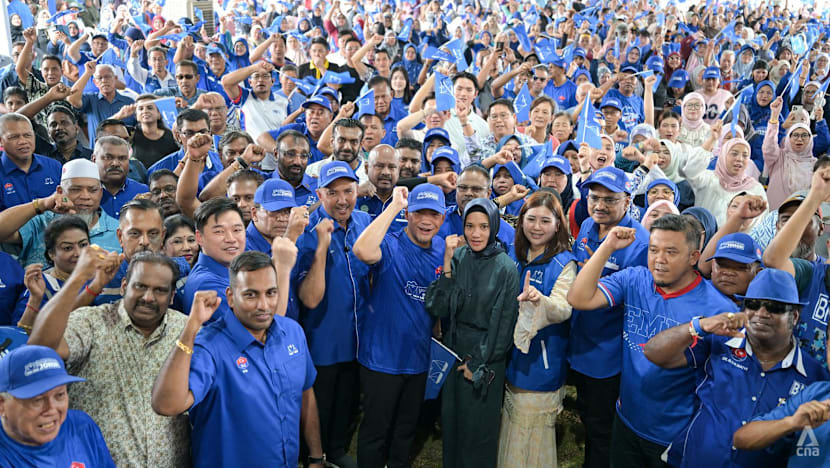
- Barisan Nasional (BN) secured a decisive victory in the Johor state polls, winning 48 out of 56 seats.
- The win strengthens BN's position within Malaysia's federal unity government but increases pressure on Prime Minister Anwar Ibrahim's Pakatan Harapan (PH) bloc.
- Analysts attribute BN's success to the popularity of its chief minister candidate, Onn Hafiz Ghazi, and economic growth in Johor.
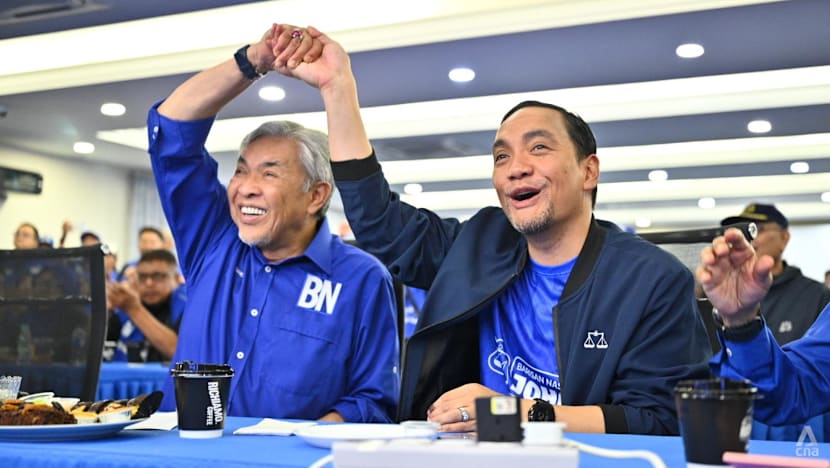
Barisan Nasional's (BN) commanding victory in the Johor state polls has significantly boosted the coalition's leverage within Malaysia's federal unity government. The coalition secured 48 out of 56 seats, an increase from the previous election, while Prime Minister Anwar Ibrahim's Pakatan Harapan (PH) bloc won only eight seats, losing four.
BN’s landslide victory strengthens UMNO’s (United Malays National Organisation) bargaining position within the federal government, while Pakatan Harapan may come under greater pressure.
Analysts suggest BN's landslide win strengthens the bargaining position of UMNO, the dominant party within BN, within the federal government. Conversely, PH faces increased pressure to improve its strategies, voter mobilization, and response to cost-of-living concerns. The disappointing performance in Johor also highlights challenges for PH's traditional ethnic minority voter base, raising the stakes for upcoming state polls in Negeri Sembilan.
BN's resounding success is attributed to several factors. Analysts pointed to the star power of its de facto chief minister candidate, Onn Hafiz Ghazi, who has built a reputation as a results-oriented administrator since taking office in 2022. Under his leadership, Johor recorded Malaysia's fastest economic growth in 2025, with its GDP expanding by 8 percent, well above the national average. The state also attracted a record RM110 billion (US$26 billion) in approved investments.
Anwar and PH will need to quickly improve their strategy, voter mobilisation, and response to cost-of-living concerns.
Beyond economic indicators, Ghazi cultivated an image as a hands-on leader by actively engaging with residents and addressing long-standing issues, such as traffic congestion and road maintenance. Analysts believe Ghazi's projection of stability, development, and new-generation leadership was a key factor in the victory. He himself retained the Machap state seat with a significantly increased majority.
Onn Hafiz was the key factor behind the victory, having successfully projected an image of stability, development and new-generation leadership.
DistantNews Editorial
Originally published by CNA in English. Translated, summarized, and contextualized by our editorial team with added local perspective. Read our editorial standards.
More Stories


From Our Blog

What Gets Lost (and Found) When News Is Translated

The Critical Role of Diaspora Media in Global News

What Travellers Should Know About Countries with Restricted Press

A Digital Nomad's Guide to Following Local News

How the Same Story Looks Different in Different Countries
