


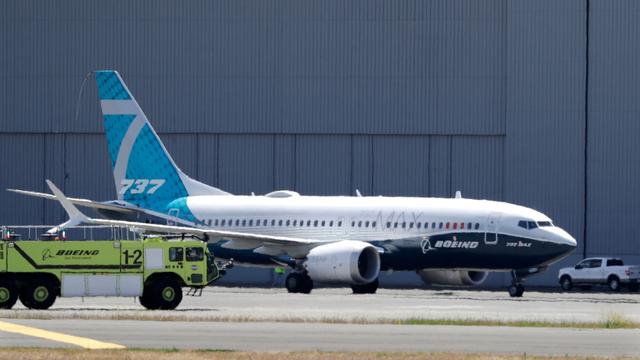
Boeing's smallest 737 Max model approved after years of delays
Translated from German, summarized and contextualized by DistantNews.
At a glance
News
From a news agency
Approved/passed
- Boeing has received approval for its 737 Max 7 aircraft, the smallest model in the 737 Max family.
- The approval follows years of delays caused by two fatal crashes and quality issues, pushing back the original 2019 target.
- The 737 Max 7 can carry 135 to 160 passengers with a range of up to 7,000 kilometers, and Boeing has over 280 orders for the model.
After years of setbacks, Boeing has finally secured approval for the 737 Max 7, the smallest variant in its crucial 737 Max aircraft line. This certification allows the U.S. aviation giant to begin delivering the aircraft to customers, marking a significant step after a prolonged period of turbulence for the model.
Boeing has received approval for its 737 Max 7 aircraft, the smallest model in the 737 Max family.
The path to this approval was fraught with challenges. Originally slated for entry into service in 2019, the 737 Max program faced severe scrutiny and delays following two catastrophic crashes that claimed the lives of 346 people. Compounding these tragedies, Boeing has grappled with ongoing quality control issues, further complicating the certification process.
The Airbus rival can now deliver machines of the type 737 Max 7 to customers.
The 737 Max 7 is designed to accommodate between 135 and 160 passengers, depending on its configuration, and boasts a range of approximately 7,000 kilometers. Boeing reports substantial customer interest, with over 280 orders already placed for this specific model. The company is also anticipating the approval of the largest variant, the 737 Max 10, by the end of the year, signaling its continued commitment to revitalizing the 737 family.
Originally, the model variant was targeted to enter air traffic as early as 2019.
DistantNews Editorial
Originally published by Die Zeit in German. Translated, summarized, and contextualized by our editorial team with added local perspective. Read our editorial standards.
More Stories


From Our Blog

What Gets Lost (and Found) When News Is Translated

How the Same Story Looks Different in Different Countries

The Critical Role of Diaspora Media in Global News

What Travellers Should Know About Countries with Restricted Press

A Digital Nomad's Guide to Following Local News
