

Bolivia Faces Severe Shortages as Protests Paralyze Nation
Translated from Finnish, summarized and contextualized by DistantNews.
At a glance
News
Named sources
Ongoing story
- Bolivia is facing severe food, medicine, and fuel shortages due to ongoing road blockades by protesters demanding President Rodrigo Paz's resignation.
- The month-long protests have paralyzed major routes, leading to empty markets and long queues for essential goods, with hospitals reporting critical shortages of medical supplies.
- Protesters, including indigenous groups and unions, are angered by economic issues like inflation and poor-quality fuel, as well as a controversial land reform law, despite Paz's attempts to de-escalate by offering salary cuts.
Bolivia is grappling with a severe crisis as month-long protests and road blockades have led to critical shortages of food, medicine, and fuel across the country. Protesters are demanding the resignation of President Rodrigo Paz, whose government has been in office for less than seven months after ending two decades of socialist rule.
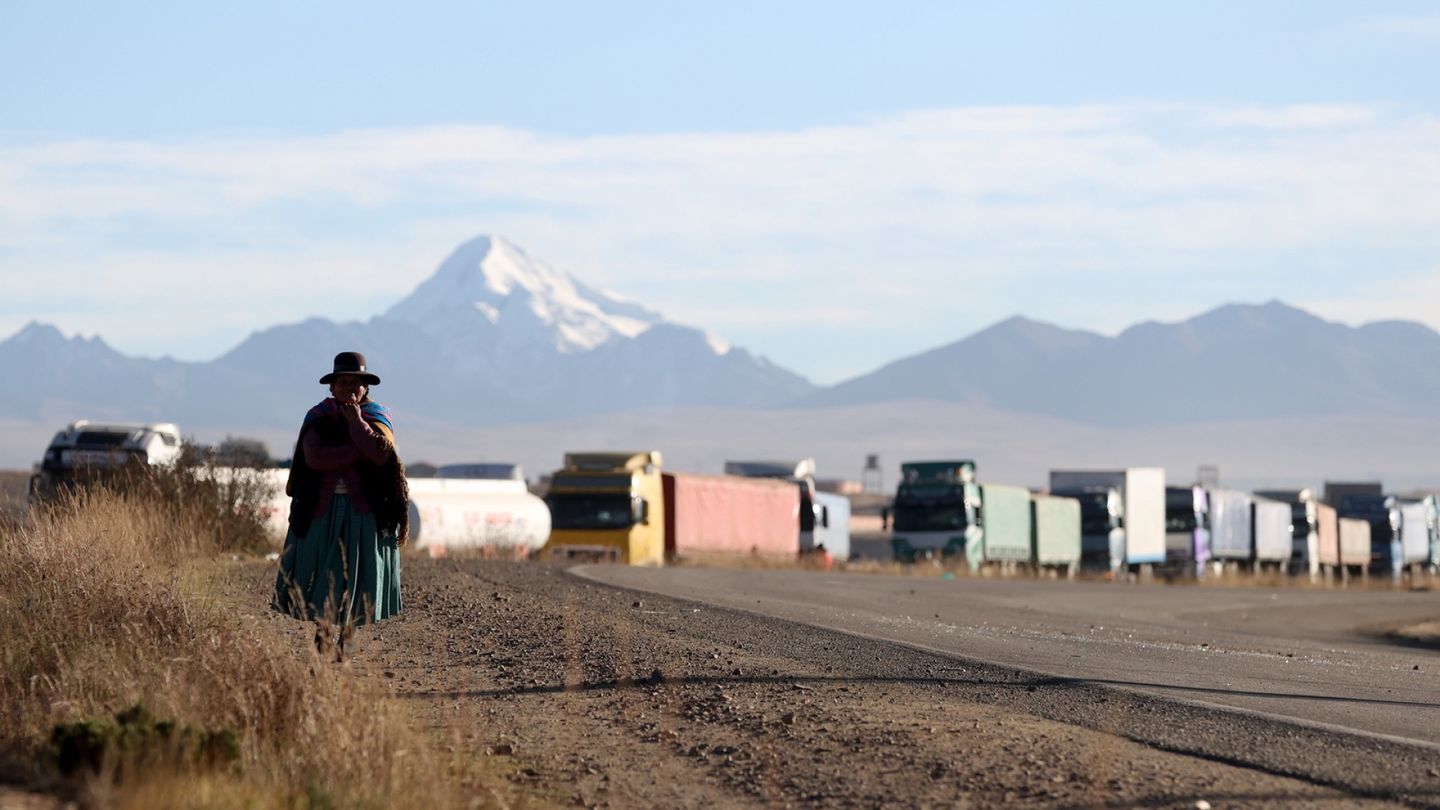
The blockades have paralyzed major highways, resulting in empty market shelves and hours-long queues for basic necessities in cities like La Paz. Reports indicate that kilometers-long lines for gasoline can last up to four days. The Bolivian Chamber of Medicine stated that 50 tons of medical supplies and oxygen have been unable to reach hospitals, prompting doctors to warn that the situation threatens patients' lives.
The protests, involving workers and representatives of indigenous communities, have been fueled by a combination of factors. While Paz promised economic recovery, inflation and fuel shortages have worsened. A particular point of contention was the distribution of substandard fuel, which reportedly caused engine damage to approximately 10,000 vehicles. The recent land reform law enacted in April also angered indigenous groups, despite Paz's subsequent decision to repeal it.
Analysts note that the current wave of protests is unusually unified, with broader demands for the government's ouster rather than isolated actions by specific unions. In an attempt to appease demonstrators, Paz offered to halve his salary and those of his ministers, a move that highlights the immense pressure on his administration. Observers anticipate Paz may declare a state of emergency, a step that could further escalate the volatile situation.
DistantNews Editorial
Originally published by Helsingin Sanomat in Finnish. Translated, summarized, and contextualized by our editorial team with added local perspective. Read our editorial standards.
More Stories


From Our Blog

What Gets Lost (and Found) When News Is Translated

The Critical Role of Diaspora Media in Global News

What Travellers Should Know About Countries with Restricted Press

A Digital Nomad's Guide to Following Local News

How the Same Story Looks Different in Different Countries
