


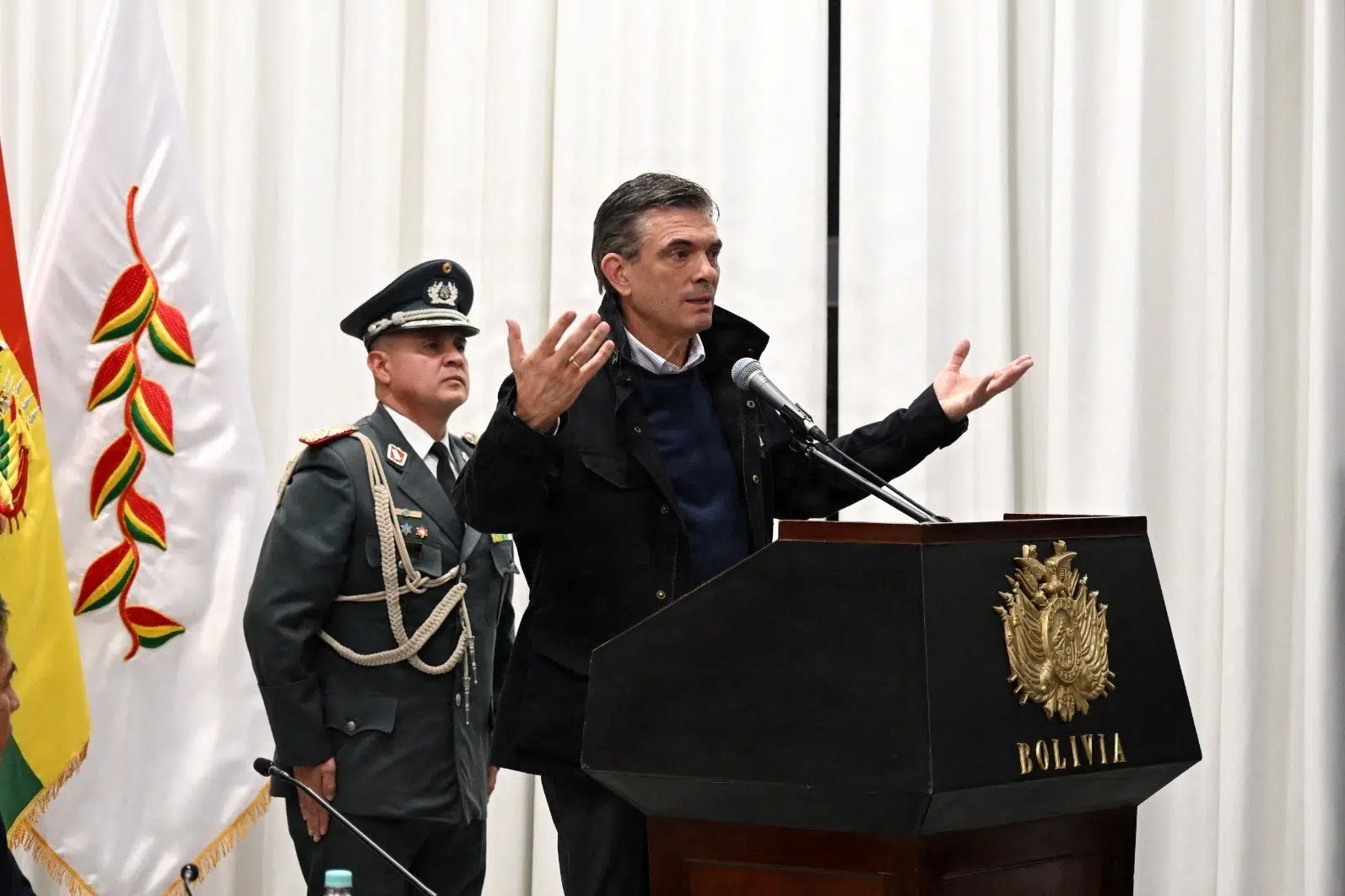
Bolivia's President Reaches Deal to End Widespread Protests
Translated from Danish, summarized and contextualized by DistantNews.
At a glance
News
From a news agency
Outcome reported
- Bolivia's president and the country's largest union have reached an agreement to end over six weeks of protests.
- The deal, announced by the union's general secretary, aims to foster unity and collaboration for the nation's progress.
- Protests began with demands for wage increases and economic stability but evolved into calls for President Rodrigo Paz to resign, leading to clashes and at least 14 reported deaths.
Bolivian President Rodrigo Paz and the country's main labor confederation, the Central Obrera Boliviana (COB), have struck a deal to end more than six weeks of disruptive demonstrations. The agreement was announced by COB Secretary-General Mario Argollo, who stated that all protest actions would cease immediately.
President Paz described the accord as "a light of hope for all Bolivians," emphasizing the need for collective effort to move forward. "If we want to move forward, we must all work together. No one owns the country alone. Everyone must contribute," he said, according to Reuters.
Details of the agreement have not yet been released. The protests, which began in early May, initially focused on demands for higher wages, greater economic stability, and an end to the privatization of state-owned companies. However, the demonstrations escalated into calls for the resignation of the conservative President Paz, who took office in late 2025 after over two decades of socialist rule.
From now on, all protest actions in the country will be suspended.
During the unrest, protesters stormed government buildings, blocked roads, and set fires. At least 14 people have died during the demonstrations, according to a report from Bolivia's ombudsman, with some deaths attributed to difficulties accessing medical care due to the blockades.
While the COB has called for an end to protests, some groups, including a farmers' association and indigenous organizations aligned with former President Evo Morales, have indicated they will continue to pressure the government to meet their demands, such as the release of arrested demonstrators. Road blockades have also contributed to rising living costs by hindering the delivery of food and medicine to the capital, La Paz.
If we want to move forward, we must all work together. No one owns the country alone. Everyone must contribute.
DistantNews Editorial
Originally published by Berlingske in Danish. Translated, summarized, and contextualized by our editorial team with added local perspective. Read our editorial standards.
More Stories


From Our Blog

What Gets Lost (and Found) When News Is Translated

The Critical Role of Diaspora Media in Global News

What Travellers Should Know About Countries with Restricted Press

A Digital Nomad's Guide to Following Local News

How the Same Story Looks Different in Different Countries
