

Bolivian Analyst Suggests Injecting Physical Dollars into Banks to Combat Rising Exchange Rate
Translated from Spanish, summarized and contextualized by DistantNews.
At a glance
News
Sources not specified
Context piece
- An economic analyst suggests injecting physical dollars into Bolivia's banking system to stabilize the rising exchange rate.
- The analyst points to a scarcity of physical dollars in banks as the primary driver of the parallel market's higher exchange rate.
- Addressing this scarcity, along with structural reforms like fiscal spending cuts and attracting foreign investment, is crucial for long-term exchange rate stability.
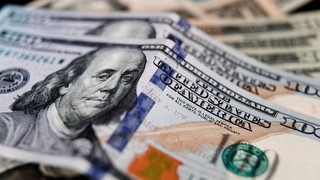
Ramiro Cavero, an economic analyst, has identified a critical shortage of physical U.S. dollars in Bolivia's banking system as the main reason behind the escalating exchange rate in the parallel market. He argues that injecting these physical dollars into banks is essential to curb the upward trend.
There is a smaller market for cash dollars, and unfortunately, banks have not had cash dollars for a long time, since the Central Bank stopped supplying them.
According to the Central Bank of Bolivia, the official exchange rate for one U.S. dollar was set at 11.13 Bolivian pesos on Thursday. Since the implementation of a flexible exchange rate policy, the dollar's value has consistently risen, fueling concern among exporters and the general public. Cavero explained that when people cannot access dollars at the official rate from banks, they inevitably turn to unofficial channels, where the exchange rate is significantly higher.
When this measure was introduced, the logical step should have been to provide dollars to the banks.
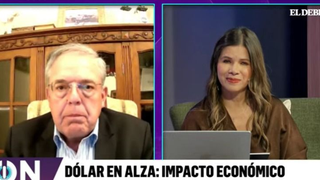
"There is a smaller market for cash dollars, and unfortunately, banks have not had cash dollars for a long time, since the Central Bank stopped supplying them," Cavero stated on the program ON- Otra Noche con Sissi. "When this measure was introduced, the logical step should have been to provide dollars to the banks. What happens if you go to a bank today and say you want to buy at the official exchange rate, and they tell you there are none? You will go to the street, to social media, somewhere, and logically you will find it at a higher exchange rate."
What happens if you go to a bank today and say you want to buy at the official exchange rate, and they tell you there are none? You will go to the street, to social media, somewhere, and logically you will find it at a higher exchange rate.
Cavero stressed the necessity of providing physical dollars to banks to ensure public access. He noted that while it might not be a large market, the government must address it. The instability in the exchange rate particularly impacts imported goods, potentially leading to inflation and a decrease in the population's purchasing power. Cavero maintains that "as long as there are no dollars in the banks, the price of the dollar will rise," affecting both the parallel and official markets. He believes that securing the IMF credit could offer temporary relief but emphasizes the need for more structural decisions, such as reducing fiscal spending and creating more attractive conditions for foreign investment.
as long as there are no dollars in the banks, the price of the dollar will rise
DistantNews Editorial
Originally published by El Deber in Spanish. Translated, summarized, and contextualized by our editorial team with added local perspective. Read our editorial standards.
More Stories
From Our Blog

What Gets Lost (and Found) When News Is Translated

The Critical Role of Diaspora Media in Global News

What Travellers Should Know About Countries with Restricted Press

A Digital Nomad's Guide to Following Local News

How the Same Story Looks Different in Different Countries
