


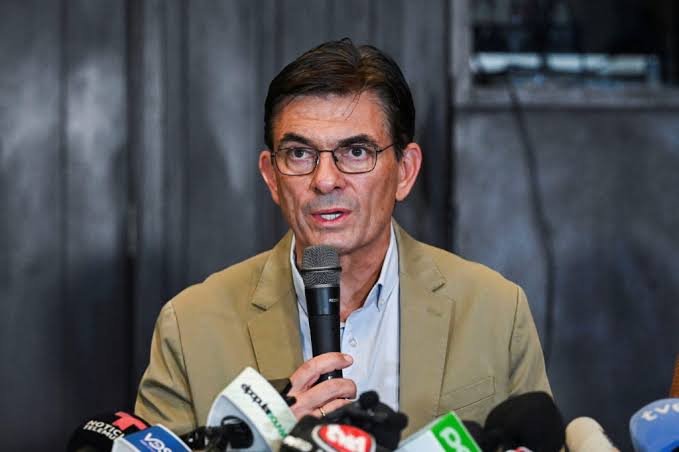
Bolivian President Declares State of Emergency After Weeks of Protests
Translated from English, summarized and contextualized by DistantNews.
At a glance
News
Official statement
Outcome reported
- Bolivia's president declared a state of emergency following weeks of widespread protests.
- The protests were initially sparked by economic reform plans proposed by the president.
- The state of emergency was declared after the president reached an agreement with the country's main trade union federation, ending the demonstrations.
Bolivian President Luis Arce declared a state of emergency after weeks of disruptive protests rocked the nation. The decision came just hours after Arce signed a crucial agreement with the Bolivian Workers' Central (COB), the country's main trade union federation, effectively ending the demonstrations.
The protests, which had paralyzed parts of the country, were initially ignited by President Arce's proposed economic reforms. Details of these reforms were not immediately clear, but they evidently sparked significant opposition from labor groups and other segments of the population.
The agreement with the COB appears to have been the key to de-escalating the situation. While the specifics of the deal remain undisclosed, its success in bringing an end to the protests suggests a significant compromise may have been reached between the government and the labor federation. The declaration of a state of emergency indicates the severity of the unrest and the government's efforts to restore order.
DistantNews Editorial
Originally published by Vanguard in English. Translated, summarized, and contextualized by our editorial team with added local perspective. Read our editorial standards.
More Stories


From Our Blog

How the Same Story Looks Different in Different Countries

What Gets Lost (and Found) When News Is Translated

The Critical Role of Diaspora Media in Global News

What Travellers Should Know About Countries with Restricted Press

A Digital Nomad's Guide to Following Local News
