


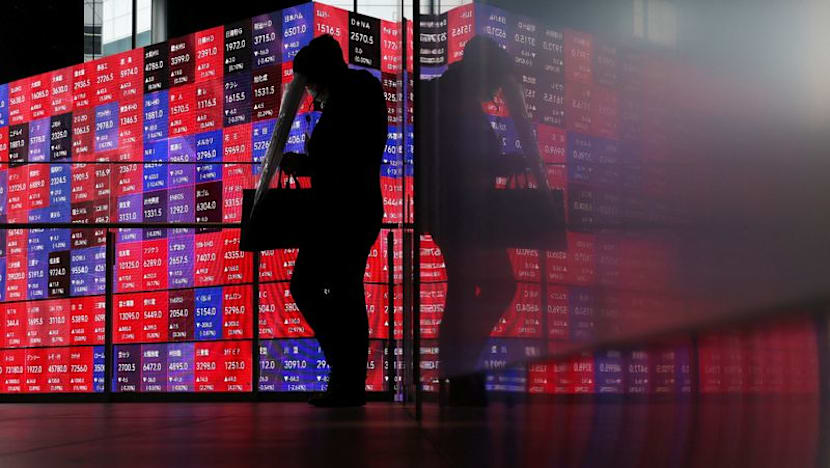
Bond selloff deepens as higher energy prices fuel inflation fears
Translated from English and summarized by DistantNews. Read the original for the full story.
At a glance
Newswire
Named sources
Ongoing story
- Global bond yields climbed as renewed Middle East fighting pushed oil prices above $90 a barrel and increased inflation concerns.
- Japan’s 10-year government bond yield reached 3% for the first time in a generation, while U.S. and European yields also rose.
- Stock markets weakened as investors prepared for possible rate hikes in the United States, Japan, New Zealand and Europe.
A new wave of selling in government bonds pushed yields higher across major markets as oil prices rose above $90 a barrel. Investors faced a combination of renewed Middle East fighting, higher sovereign borrowing and growing expectations of further interest-rate increases.
Japan’s 10-year benchmark yield reached 3% for the first time in a generation. The 10-year U.S. Treasury yield rose to 4.78%, its highest since early 2025, while French and German debt futures extended a selloff that had already taken yields to 15-year highs.
Ryutaro Kimura of BNP Asset Management described a sense of resignation about rising Japanese borrowing costs. Higher rates had long been unusual in Japan, where government bonds served as a reliable anchor for global markets. “The macro mix is turning more challenging for duration and risk assets,” said BNY strategist Wee Khoon Chong, citing monetary policy, geopolitical risks, inflation and fiscal concerns.
I think there is now something of a sense of resignation, tinged with helplessness, about rising interest rates
Brent crude futures topped $91 a barrel in Asian trading, while Europe’s benchmark gas price closed at a more than three-and-a-half-year high. The article linked the pressure to renewed tensions involving the United States and Iran, as well as intensified fighting between Russia and Ukraine, which pushed wheat prices close to three-year highs.
Equity futures in the United States and Europe dipped, while Japan’s Nikkei was nearly flat and Hong Kong’s Hang Seng fell 1%. Investors also watched a weak debut by Shein Global, whose shares fell 8% below an already reduced offer price. Markets priced in possible rate increases in New Zealand, Europe, the United States and Japan, while the dollar received limited support because borrowing costs were rising globally.
The macro mix is turning more challenging for duration and risk assets
About this summary
Originally published by CNA in English. Translated, summarized, and contextualized automatically by DistantNews, with a note on how the source frames the story. Not individually reviewed before publishing. How this works.
More Stories



From Our Blog

What Gets Lost (and Found) When News Is Translated

The Critical Role of Diaspora Media in Global News

What Travellers Should Know About Countries with Restricted Press

A Digital Nomad's Guide to Following Local News

How the Same Story Looks Different in Different Countries
