


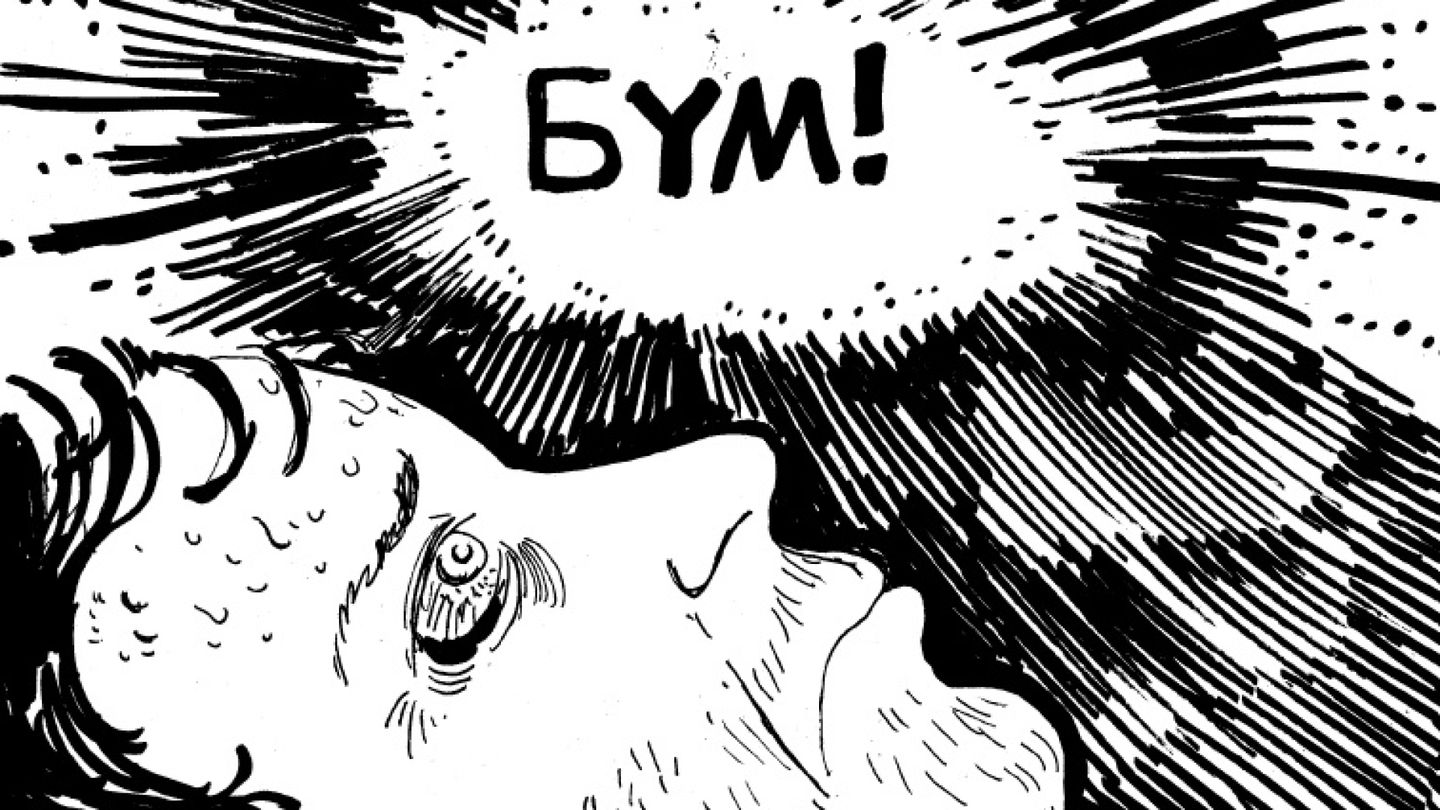
Book Review: A Bulky Graphic Novel Dives into Shostakovich's Nightmares
Translated from Finnish, summarized and contextualized by DistantNews.
At a glance
News
Sources not specified
Context piece
- Aapo Kukko's graphic novel "Punainen Beethoven" explores composer Dmitri Shostakovich's struggles under Stalin's cultural policies.
- The book illustrates how Shostakovich navigated the immense pressure and fear imposed by the Soviet dictatorship.
- It delves into the politically charged nature of classical instrumental music and the consequences of its prohibition in the USSR.
Aapo Kukko's graphic novel, "Punainen Beethoven" (Red Beethoven), offers a compelling visual narrative of composer Dmitri Shostakovich's harrowing experiences under the oppressive cultural regime of Joseph Stalin.
The book vividly portrays the psychological torment Shostakovich endured, illustrating how the Soviet dictator's influence permeated even the composer's dreams. Kukko captures the immense pressure faced by Shostakovich, who was considered the Soviet Union's most prominent composer, as he attempted to balance artistic integrity with the demands of a totalitarian state.
"Punainen Beethoven" delves into the profound political charge that classical instrumental music carried during that era. It examines how compositions, intended as pure artistic expression, could become politically dangerous, leading to their performance being banned. The graphic novel highlights the struggle to translate the defiant messages embedded within Shostakovich's melodies into words, questioning how such music could be perceived as a threat by the regime.
Kukko's work serves as a powerful reminder of the intersection of art and politics in the Soviet Union, showcasing the personal cost of artistic creation under a dictatorship. The graphic novel provides a unique lens through which to understand Shostakovich's life and the broader context of cultural repression during Stalin's rule.
DistantNews Editorial
Originally published by Helsingin Sanomat in Finnish. Translated, summarized, and contextualized by our editorial team with added local perspective. Read our editorial standards.
More Stories



From Our Blog

What Gets Lost (and Found) When News Is Translated

The Critical Role of Diaspora Media in Global News

What Travellers Should Know About Countries with Restricted Press

A Digital Nomad's Guide to Following Local News

How the Same Story Looks Different in Different Countries
