


Botched work at the expense of consumers
Translated from German, summarized and contextualized by DistantNews.
At a glance
News
Sources not specified
New plan
- New EU packaging regulations, intended to reduce waste, are criticized for creating excessive bureaucracy and potentially harming small businesses.
- The regulations force traders and manufacturers to adopt more sustainable packaging across the EU.
- Critics argue the rules contradict the principle of free movement of goods within the European single market.
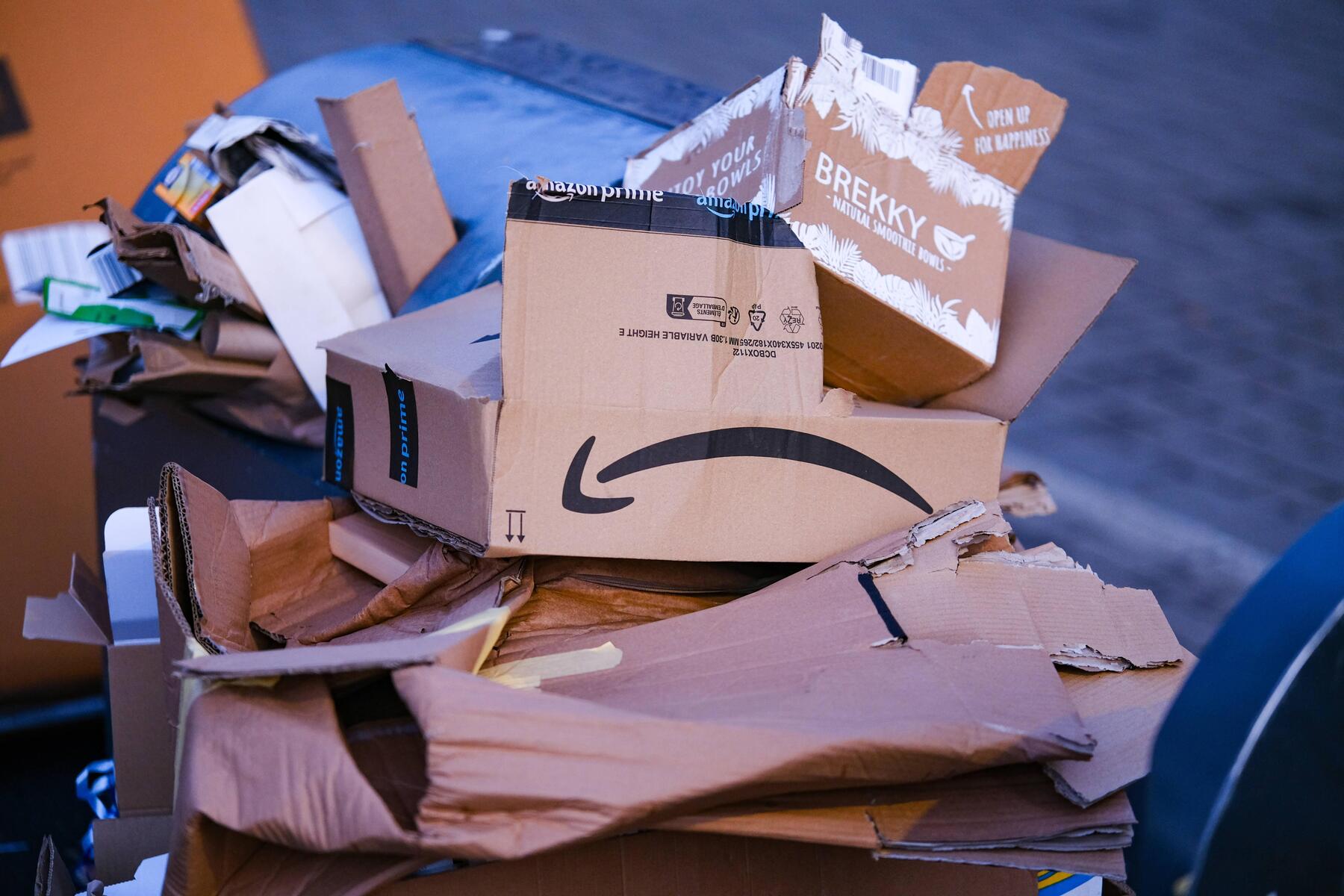
New European Union packaging regulations, designed to curb waste from online shopping, are facing strong criticism for generating excessive bureaucracy and potentially hindering the free movement of goods. While the intention is to promote sustainable packaging, the rules are being labeled as "bungled" and could lead to the disappearance of popular brands from online shops.
These regulations pose a significant financial and administrative burden, particularly for smaller labels and online retailers. Experts suggest the rules could dismantle the business models of many small and medium-sized enterprises (SMEs) and undermine the concept of the European single market. Large corporations may have dedicated departments to handle such compliance, but for small businesses, each new bureaucratic hurdle can jeopardize their viability.
The European Commission itself acknowledges the problem, citing an example where a company selling lighting in just three EU countries requires 16 certifications from ten different authorities due to packaging, battery, and electronic waste regulations. This complexity means that while small businesses are theoretically allowed to sell anywhere in the EU, the practicalities of compliance often restrict them to only a few countries, diminishing the value of the single market.
Consequently, the digital marketplace is expected to become less diverse, a development that does not benefit consumers. The regulations, which came into effect on Wednesday, aim to reduce the mountain of waste generated by online shopping but are seen by many as counterproductive.
DistantNews Editorial
Originally published by Die Presse in German. Translated, summarized, and contextualized by our editorial team with added local perspective. Read our editorial standards.
More Stories



From Our Blog

What Gets Lost (and Found) When News Is Translated

The Critical Role of Diaspora Media in Global News

What Travellers Should Know About Countries with Restricted Press

A Digital Nomad's Guide to Following Local News

How the Same Story Looks Different in Different Countries
