


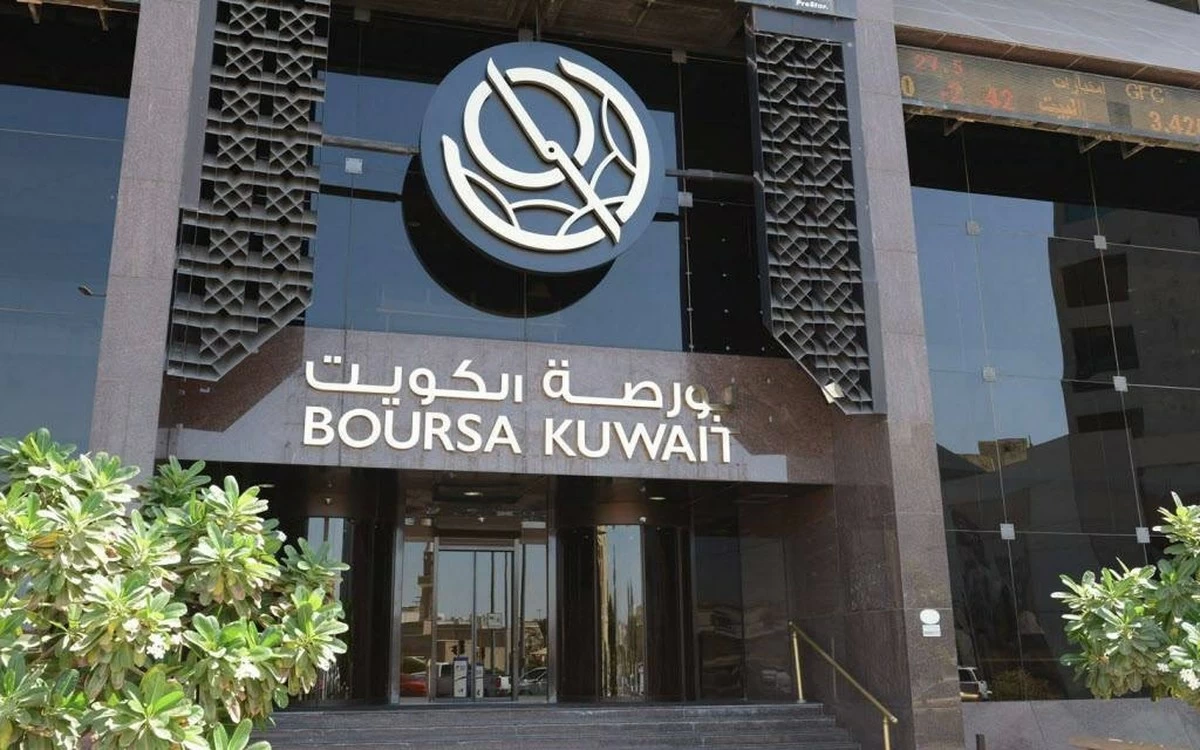
Boursa Kuwait feels the pinch as regional tensions mount
Summarized and contextualized by DistantNews.
At a glance
News
Named sources
Context piece
- Geopolitical tensions are significantly impacting regional financial markets, including Boursa Kuwait.
- Iranian attacks on Kuwaiti facilities have led to investor caution, reduced liquidity, and pressure on major stock indices.
- While some sectors face selling pressure, leading stocks like Kuwait Finance House are supported by strong earnings and dividends.
Kuwait's stock market, Boursa Kuwait, is experiencing significant pressure due to escalating regional geopolitical tensions, which are causing fluctuations in trading activity and investor confidence. The recent Iranian attacks targeting vital civilian facilities in Kuwait, including energy installations and areas near Kuwait International Airport, have placed the market under intense scrutiny.
Financial analyst and economist Sultan Al-Jazzaf, a member of the Kuwait Economic Society, explained that the primary economic effects on the stock market include pressure on major indices and a noticeable decline in liquidity. The waves of attacks have fostered an environment of heightened uncertainty and extreme caution among investors. Consequently, many are adopting a conservative approach, converting holdings into cash, which has resulted in slight declines and volatility across multiple trading sessions. Daily liquidity levels have reportedly fallen to between 60 and 70 million Kuwaiti dinars.
However, the impact is not uniformly negative across all market segments. Liquidity is being redirected towards leading stocks with strong solvency, such as Kuwait Finance House (KFH) and other banking sector entities. These stocks are benefiting from positive quarterly earnings reports and semiannual dividend distributions, which are providing a crucial buffer and preventing a more severe, widespread market downturn.
Another significant consequence of the military escalation and Iran's actions in the Strait of Hormuz is the increase in insurance and shipping costs. The targeting of oil tankers has driven up global oil prices, marine insurance premiums, and supply chain risks. This has subsequently affected sectors listed on Boursa Kuwait, with some, like industry and real estate, facing selling pressure due to concerns about project delays or rising costs for imported materials and operational expenses.
the most significant economic effects of these attacks on stock market trading centred on several areas, most notably pressure on major indices and a decline in liquidity.
DistantNews Editorial
Originally published by Arab Times. Summarized and contextualized by our editorial team with added local perspective. Read our editorial standards.
More Stories



From Our Blog

What Gets Lost (and Found) When News Is Translated

The Critical Role of Diaspora Media in Global News

What Travellers Should Know About Countries with Restricted Press

A Digital Nomad's Guide to Following Local News

How the Same Story Looks Different in Different Countries
