


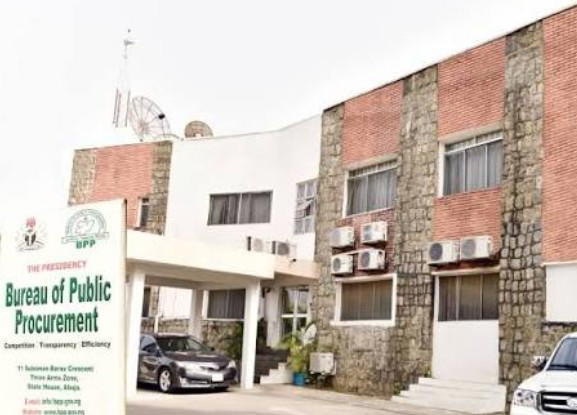
BPP blocks inflated contracts, saves FG N1.4trn in 18 months
Summarized and contextualized by DistantNews.
At a glance
News
Named sources
Context piece
- Nigeria's Bureau of Public Procurement (BPP) has saved the government approximately N1.4 trillion over 18 months by preventing inflated contract prices.
- The BPP introduced price intelligence and benchmarking, forcing contractors to seek agency price benchmarks before submitting bids.
- These reforms have led to greater accountability and improved quality in government projects, with savings being redirected to other developmental initiatives.
Nigeria's Bureau of Public Procurement (BPP) has achieved significant cost savings for the Federal Government, blocking inflated contract prices and saving an estimated N1.4 trillion in just 18 months. This substantial saving is a direct result of the BPP's introduction of price intelligence and benchmarking systems.
At the advent of the procurement reforms that we embarked on about two years ago, one of the things that we introduced was price intelligence and benchmarking. That had not been there before.
Dr. Adebowale Adedokun, Director-General of the BPP, explained that these reforms compel contractors to consult the agency's price benchmarks before submitting their bids. Previously, contractors often quoted excessively high prices. However, the BPP's consistent refusal to approve inflated costs has prompted a shift in contractor behavior. Now, many contractors proactively seek guidance on acceptable price ranges to ensure their bids comply with regulations.
So, if a government agency prices a project and it comes to the BPP, we benchmark it. Through benchmarking, we can arrive at what we consider a fair price for that project.
Adedokun highlighted that the savings generated are retained by the government and can be allocated to other crucial developmental projects. He noted that within the first seven months of a recent year, N400 billion was saved through price intelligence alone, with an additional N1.1 trillion saved in the preceding year. These figures underscore the effectiveness of the BPP's new procurement strategies.
Even contractors today, because in the last two years we have denied approvals when we see that costs are high, have tried it over time. They found out that we are refusing to budge on the price that we feel is fair. Now, they are the ones asking us: ‘Tell us what the range is so that we don’t go against your law,’ because they know that we are going to turn them back.
Beyond financial savings, the reforms are fostering increased accountability, technical prudence, and improved quality in government projects. The enhanced awareness within the system empowers the government to demand better performance from contractors, ensuring that public funds are utilized more efficiently and effectively for national development.
It is only what is approved that will be allowed to be utilized, while the difference is what we call cost savings. The government can still use it to do other developmental projects.
DistantNews Editorial
Originally published by Vanguard. Summarized and contextualized by our editorial team with added local perspective. Read our editorial standards.
More Stories


From Our Blog

How the Same Story Looks Different in Different Countries

What Gets Lost (and Found) When News Is Translated

The Critical Role of Diaspora Media in Global News

What Travellers Should Know About Countries with Restricted Press

A Digital Nomad's Guide to Following Local News
