


Brain Mapping Method Helps Detect Parkinson's and Brain Tumors
Translated from Spanish, summarized and contextualized by DistantNews.
At a glance
Explainer
Sources not specified
Context piece
- Brain mapping, a set of advanced neuroscience techniques, helps identify neural activity patterns linked to cognitive and emotional functions.
- Defined by the Society for Brain Mapping and Therapeutics, it uses imaging, cell biology, and nanotechnology to study the brain and spinal cord.
- This mapping has profound medical implications, aiding in early diagnosis and the development of targeted treatments for neurological and psychiatric disorders.
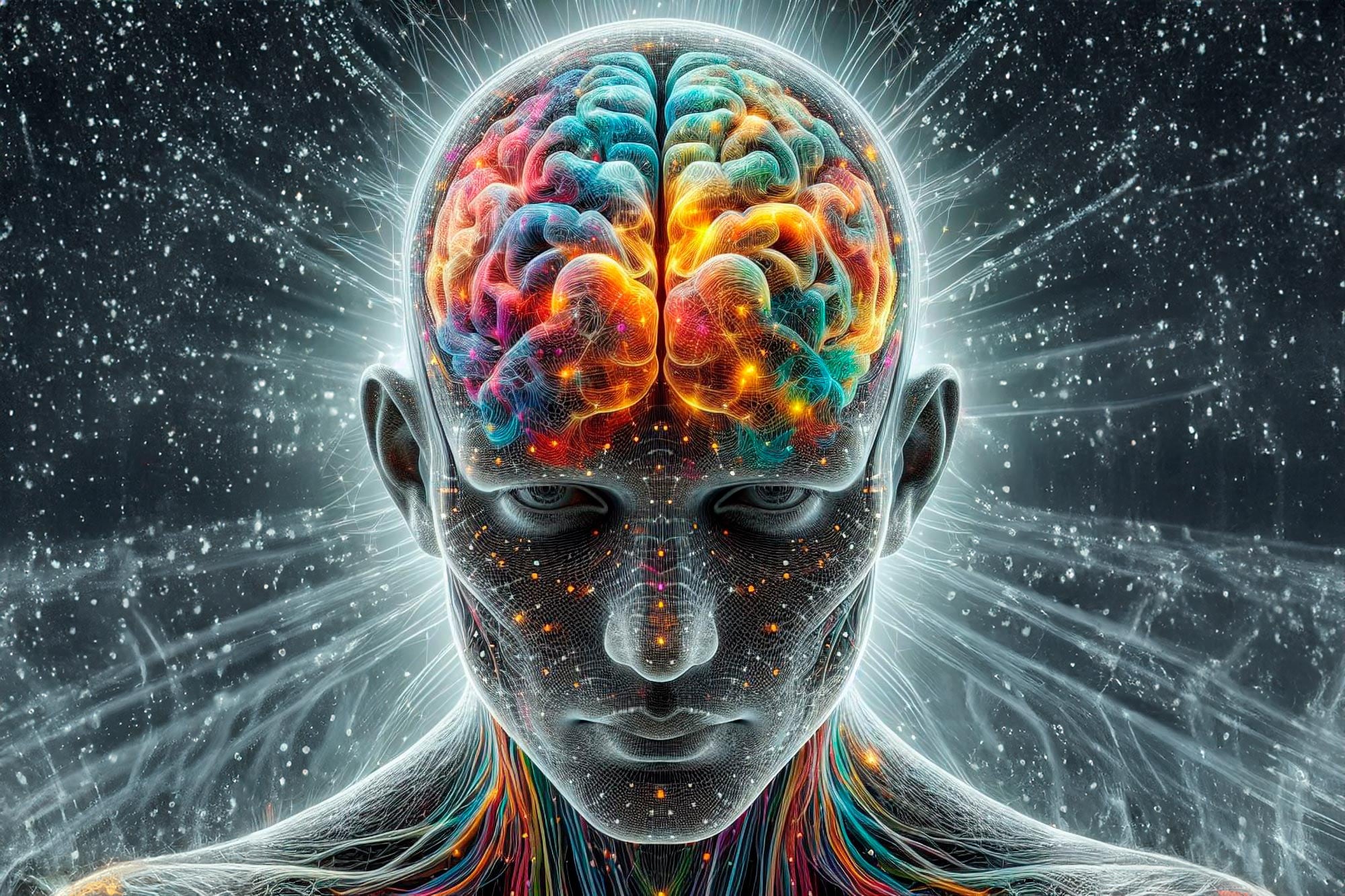
Understanding the human brain remains one of science's most complex and intriguing tasks, promising insights into cognition, behavior, mental health, and neurological diseases. A promising approach in this pursuit is brain mapping, a suite of advanced neuroscience techniques that allow scientists to identify patterns of neural activity correlating with various cognitive and emotional functions.
The Society for Brain Mapping and Therapeutics (SBMT) defined brain mapping in 2013 as the study of brain and spinal cord anatomy and function using imaging, immunohistochemistry, optogenetics, stem cells, cell biology, engineering, neurophysiology, and nanotechnology. The SBMT emphasizes that the primary goal is to identify the location of everything within the brain, describing it as a massive project involving multiple biomedical research fields and costly cutting-edge technology.
Ramiro Fernández Castaño, a neurologist specializing in cognitive neurology and sleep medicine, likens the brain map to a topography. He explains it shows which parts of the brain are active and with what intensity, drawing an analogy to analyzing a soccer player's heat map during a game. This mapping is not just scientifically curious; it holds profound medical implications.
By understanding how the brain functions normally, subtle differences indicative of neurological and psychiatric disorders can be discerned. This, in turn, paves the way for developing more specific and effective treatments and enabling early diagnosis of previously enigmatic conditions. Neurosurgeon Matías Baldoncini notes that brain mapping reveals areas generally involved in similar functions, like visual, auditory, and motor processing, across most people.
However, Baldoncini also highlights individual differences in brain organization and function due to genetic factors, life experiences, and other influences. "This means that, even though there are general patterns in brain activity, each person has a unique brain in terms of its specific connectivity and functioning," he affirms. The brain's complexity and the ongoing quest to unravel its mysteries continue to drive scientific exploration.
DistantNews Editorial
Originally published by La Nación in Spanish. Translated, summarized, and contextualized by our editorial team with added local perspective. Read our editorial standards.
More Stories



From Our Blog

What Gets Lost (and Found) When News Is Translated

The Critical Role of Diaspora Media in Global News

What Travellers Should Know About Countries with Restricted Press

A Digital Nomad's Guide to Following Local News

How the Same Story Looks Different in Different Countries
