


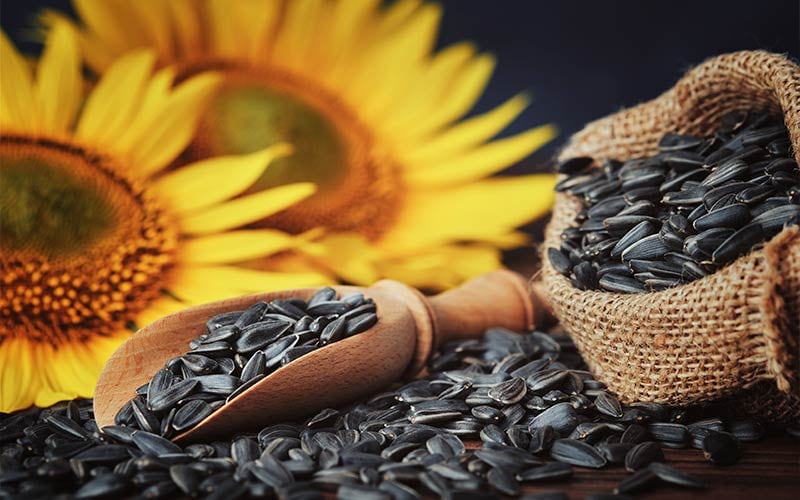
Sunflower Seeds: Why They Are Essential for the Body and Who Should Avoid Them
Translated from Spanish, summarized and contextualized by DistantNews.
At a glance
In-depth
Named sources
Context piece
- Sunflower seeds, also known as 'pipas,' are a nutrient-dense snack rich in healthy fats, proteins, and essential vitamins and minerals.
- They offer benefits for heart health, muscle strength, and skin condition due to their antioxidant properties and omega-6 fatty acids.
- While beneficial, moderation is advised due to their high calorie count, and consumers should be wary of industrialized versions with additives and excessive salt.
Sunflower seeds, commonly referred to as 'pipas,' have evolved from a popular snack among baseball players in the 1960s seeking an energy boost to a staple for vegetarians due to their comprehensive nutritional profile. These edible seeds from the Helianthus annuus plant are packed with polyunsaturated fatty acids (omega-6), proteins, magnesium, phosphorus, selenium, and vitamins E, thiamine, and niacin.
These nutritional components position sunflower seeds as a functional food, contributing to heart health, muscle strengthening, and thyroid hormone support, among other benefits. The plant itself, native to the Americas, has a history dating back to 1000 B.C., and was introduced to Europe by Spanish explorer Francisco Pizarro.
According to the Spanish Nutrition Foundation (FEN), sunflower seeds are technically achenes that are dried and salted for consumption as an appetizer, with the outer shell discarded. They can also be incorporated into meals without their shells, adding a nutritional boost to yogurts, fruits, granolas, risottos, and salads. Nutritionist Valentina Martínez cautions against heavily processed, salted, and additive-laden packaged seeds, recommending natural options instead. She also notes that 100 grams of sunflower seeds contain nearly 600 calories, comparable to a full meal, advising mindful consumption to avoid overeating.
Specialized health coach Yael Hasbani highlights that sunflower seeds provide three essential macronutrients: carbohydrates, proteins, and lipids, with lipids and proteins being predominant. They also supply essential fatty acids that the body cannot produce on its own. A single handful of sunflower seeds can provide 56% of the recommended daily intake of vitamin E, a key antioxidant.
Research published in ISRN Nutrition indicates that incorporating sunflower seeds into the diet of postmenopausal women can help reduce inflammation, a risk factor for heart disease. This dietary inclusion has also been linked to lower levels of LDL cholesterol, total cholesterol, and triglycerides. Hasbani further explains that the heart-protective benefits are largely attributed to the antioxidant capacity of vitamin E present in the seeds. Additionally, Martínez points out the richness of omega-6 fatty acids, which contribute to improved skin health.
DistantNews Editorial
Originally published by La Nación in Spanish. Translated, summarized, and contextualized by our editorial team with added local perspective. Read our editorial standards.
More Stories



From Our Blog

What Gets Lost (and Found) When News Is Translated

The Critical Role of Diaspora Media in Global News

What Travellers Should Know About Countries with Restricted Press

A Digital Nomad's Guide to Following Local News

How the Same Story Looks Different in Different Countries
