


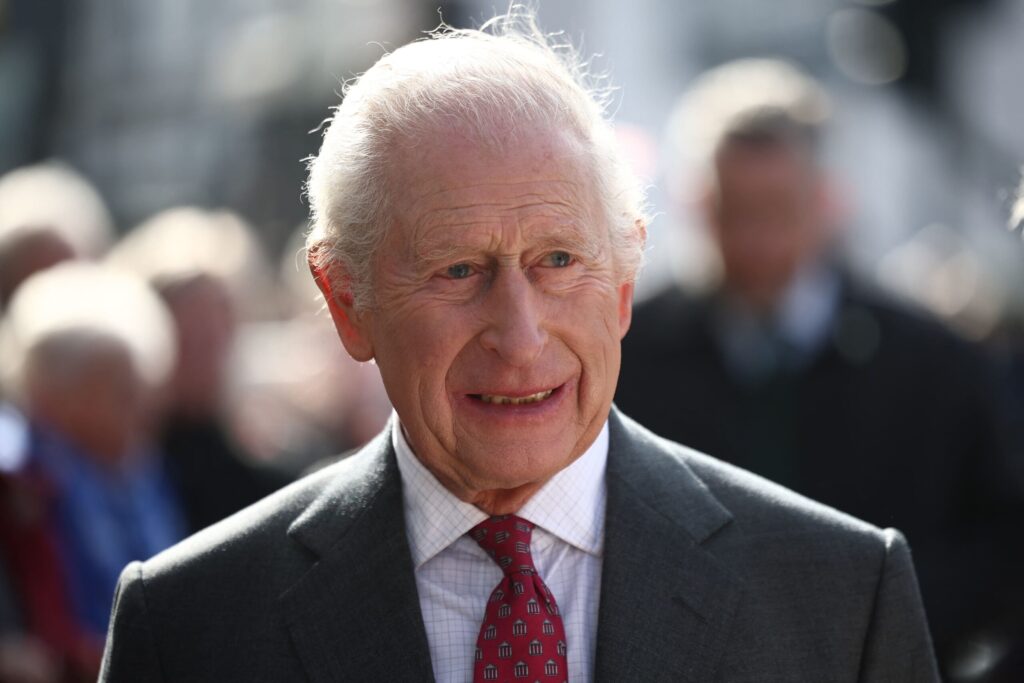
Britain’s King Charles to reveal personal tax bill — Palace
Summarized and contextualized by DistantNews.
At a glance
News
Named sources
New plan
- King Charles III will voluntarily disclose his personal tax bill to enhance transparency, Buckingham Palace announced.
- This move follows increased public scrutiny of royal finances, partly due to scandals involving Prince Andrew.
- The King's tax information will be released Thursday, but critics question the voluntary nature and the high level of royal income.
Buckingham Palace has confirmed that King Charles III will reveal his personal tax bill, a move aimed at improving transparency amid growing public scrutiny of royal finances in Britain. While British monarchs are legally exempt from certain taxes, they have voluntarily paid some duties for decades and are not obligated to disclose their private tax statements. However, recent scandals, particularly those involving Prince Andrew, have intensified public interest in the royal family's financial affairs.
The decision to do so as Sovereign has come at the express wish of the King himself.
King Charles, who began releasing his tax information as the heir to the throne, will be the first reigning monarch to do so. A palace spokesperson stated that the decision was made at the King's "express wish" and is part of ongoing efforts to "modernise and evolve" the monarchy since his accession in 2022. The aim is to explain royal finances clearly and accessibly, placing them within their historical and constitutional context.
Our aim is to explain all elements of royal finances in a way that further enhances clarity and accessibility, while also placing it in its historical and constitutional context.
The King's tax details are set to be shared on Thursday as part of the annual release of royal financial accounts. However, the anti-monarchy campaign group Republic has called for independent audits of royal tax and income, arguing that the voluntary disclosure leaves "many unanswered questions." Graham Smith, head of Republic, stated that the royals should not be allowed to self-declare their taxes and questioned the high level of the King's income, which is funded by sources including the public Sovereign Grant and private duchy income.
To put it simply: we continue to modernise and evolve.
The Sovereign Grant, an annual government payment for official duties, has significantly increased to £132.1 million for 2025-2026. Additionally, Charles received £26.8 million in private income from the Duchy of Lancaster in 2024–25. This duchy, managed as a business, funds personal and some official expenses. Like his father, the heir, Prince William, also benefits from a similar arrangement with the Duchy of Cornwall. Under UK law, monarchs are not required to pay income, capital gains, or inheritance taxes, though they have voluntarily paid the first two since 1993 due to public pressure and scrutiny.
The royals can’t be allowed to self-declare their tax.
DistantNews Editorial
Originally published by Jamaica Observer. Summarized and contextualized by our editorial team with added local perspective. Read our editorial standards.
More Stories



From Our Blog

What Gets Lost (and Found) When News Is Translated

The Critical Role of Diaspora Media in Global News

What Travellers Should Know About Countries with Restricted Press

A Digital Nomad's Guide to Following Local News

How the Same Story Looks Different in Different Countries
