

Bucharest Metro Ticket Prices Set for Major Hike, Potentially Among Europe's Most Expensive Relative to Income
Translated from Romanian, summarized and contextualized by DistantNews.
TLDR
- Bucharest's metro ticket prices are set to increase significantly for the second time in 2026, potentially becoming one of the most expensive relative to purchasing power.
- A comparison with other European capitals shows that while Bucharest's nominal prices may remain lower, the cost per journey is high when considering local wages.
- London, Berlin, and Oslo have integrated public transport systems where a single ticket grants access to multiple modes of transport, unlike Bucharest's current model.
A looming increase in Bucharest's metro ticket prices, marking the second substantial hike in 2026, has sparked considerable discontent among commuters. While Metrorex, the Romanian capital's subway operator, prepares to implement these changes, the potential cost of a single journey could place it among the priciest in Europe, especially when measured against the average purchasing power of its citizens.
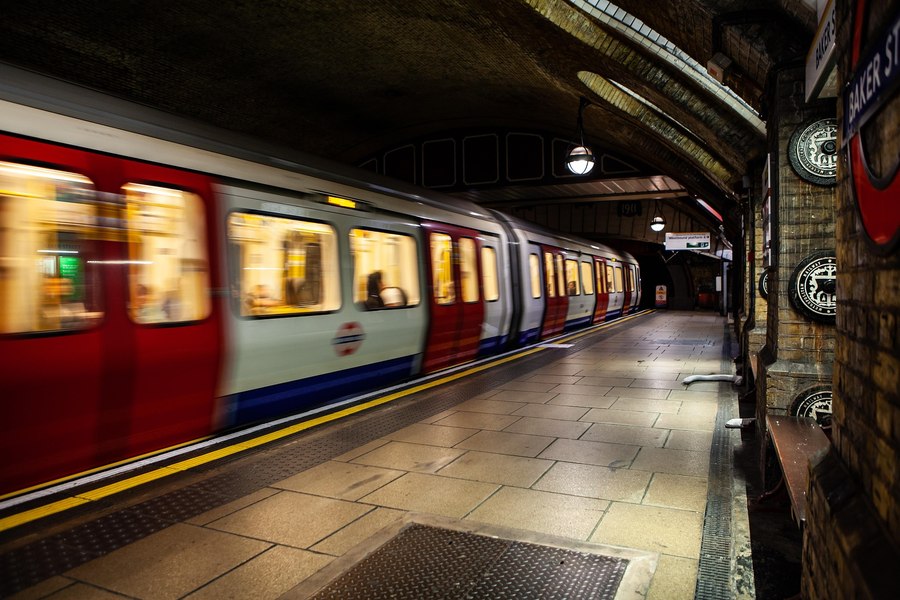
Our analysis at Adevărul reveals a stark contrast when comparing Bucharest's public transport costs to those in other major European cities. While nominal fares in cities like London, Berlin, and Oslo can appear higher, their integrated systems offer access to a comprehensive network of subways, buses, and trams. This means a single ticket often covers multiple modes of transport, providing greater value and flexibility for travelers navigating extensive urban areas.
In contrast, the proposed increase in Bucharest's metro fares, particularly when considered in relation to the average salary, suggests that a simple metro ride could become a significant expense for many Romanians. This situation is exacerbated by the fact that the current system does not offer the same level of integration or perceived value as those found in Western European capitals.
The decision rests, in part, with the new interim Minister of Transport, who may yet reconsider the price hike. However, the underlying issue points to a broader challenge in developing and funding public transportation infrastructure that is both accessible and affordable for the local population. Unlike in Western Europe, where integrated transport networks are often a point of civic pride and a symbol of efficient urban planning, Romania's public transport system faces ongoing challenges in balancing operational costs with the economic realities of its commuters.
DistantNews Editorial
Originally published by Adevărul in Romanian. Translated, summarized, and contextualized by our editorial team with added local perspective. Read our editorial standards.
More Stories


From Our Blog

What Gets Lost (and Found) When News Is Translated

The Critical Role of Diaspora Media in Global News

What Travellers Should Know About Countries with Restricted Press

A Digital Nomad's Guide to Following Local News

How the Same Story Looks Different in Different Countries
