


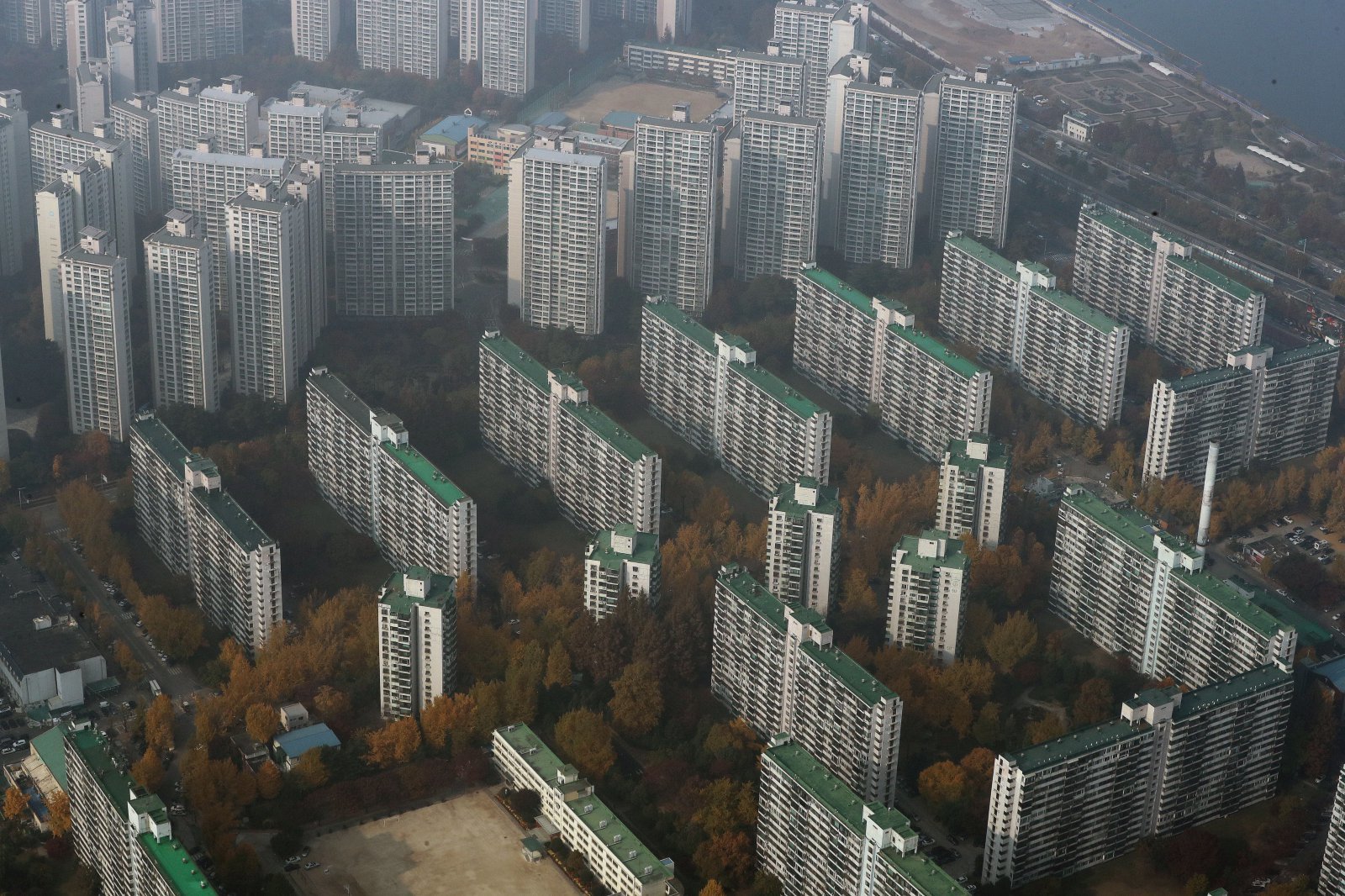
Bucheon, Gunpo apartment deals surge as Seoul regulations push buyers to less restricted areas
Translated from Korean, summarized and contextualized by DistantNews.
At a glance
News
Official statement
Context piece
- Apartment transactions in Bucheon and Gunpo surged by 36% and 74% respectively this year compared to last year.
- This increase is attributed to buyers seeking less regulated areas with good transportation and lower prices, a
Apartment transactions in Bucheon and Gunpo have surged significantly this year, with Bucheon seeing a 36.3% increase and Gunpo an impressive 74.1% rise. This trend, observed between January 1 and July 27, is attributed to a 'balloon effect' where buyers are moving from regulated Seoul areas to less restricted cities like Bucheon and Gunpo, which offer better transportation links and more affordable housing.
These areas are close to regulated zones and share existing transportation networks like Subway Line 1 and 7, with relatively lower price burdens, attracting demand for actual living.
In Bucheon, the Wonmi and Sosa districts showed the most notable growth. Some apartment complexes have even recorded new record-high prices. For instance, a unit in Hillstate Jungdong sold for 1.3 billion won, a new high, and a unit in Jungdong Central Park Prugio fetched 1.39 billion won, 260 million won higher than a January sale. Gunpo also saw price increases, with a unit in Raemian Highers selling for 1.15 billion won, up 110 million won from January.
Demand is flowing into non-regulated areas adjacent to Seoul that have established residential environments and transportation infrastructure. It can also be seen as a balloon effect from regulated areas.
Industry experts believe the surge is driven by Seoul's housing shortage and strict regulations. Bucheon and Gunpo's proximity to Seoul, coupled with their relatively lower price points and the expansion of transportation networks like the GTX, have attracted real estate demand. The tight rental market in Seoul, with fewer available units and rising monthly rents, has also pushed some tenants to purchase homes instead.
As the announcement of comprehensive real estate measures, including tax reform, is imminent, psychological changes according to policy are important. As actual buyers are highly dependent on loans, transactions in these areas may slow down if strong loan regulations are introduced.
However, the future market trend remains uncertain, hinging on the government's comprehensive real estate policy. Analysts suggest that the intensity of upcoming measures concerning supply, taxes, and finance could influence buyer sentiment. If stricter loan regulations are introduced, transaction volumes in these areas might slow down, especially for buyers heavily reliant on loans.
If new regulations or measures are introduced, demand may surge before their implementation, but the market could cool down again after they take effect.
DistantNews Editorial
Originally published by Dong-A Ilbo in Korean. Translated, summarized, and contextualized by our editorial team with added local perspective. Read our editorial standards.
More Stories


From Our Blog

What Gets Lost (and Found) When News Is Translated

The Critical Role of Diaspora Media in Global News

What Travellers Should Know About Countries with Restricted Press

A Digital Nomad's Guide to Following Local News

How the Same Story Looks Different in Different Countries
