

Buda liberated: The Ottoman crescent falls from the ancient royal seat
Translated from Hungarian and summarized by DistantNews. Read the original for the full story.
At a glance
In-depth
Sources not specified
Outcome reported
- Christian forces launched their decisive assault on Buda on Sept. 2, 1686, seeking to retake the former Hungarian royal seat held by the Ottomans since 1541.
- Hungarian soldier János Fiáth was described as the first to reach the breach at Vienna Gate, where he removed the Ottoman standard and raised a Hungarian flag bearing the Virgin Mary.
- The victories at Buda, Vienna and Esztergom opened the way toward ending Ottoman rule in Hungary.
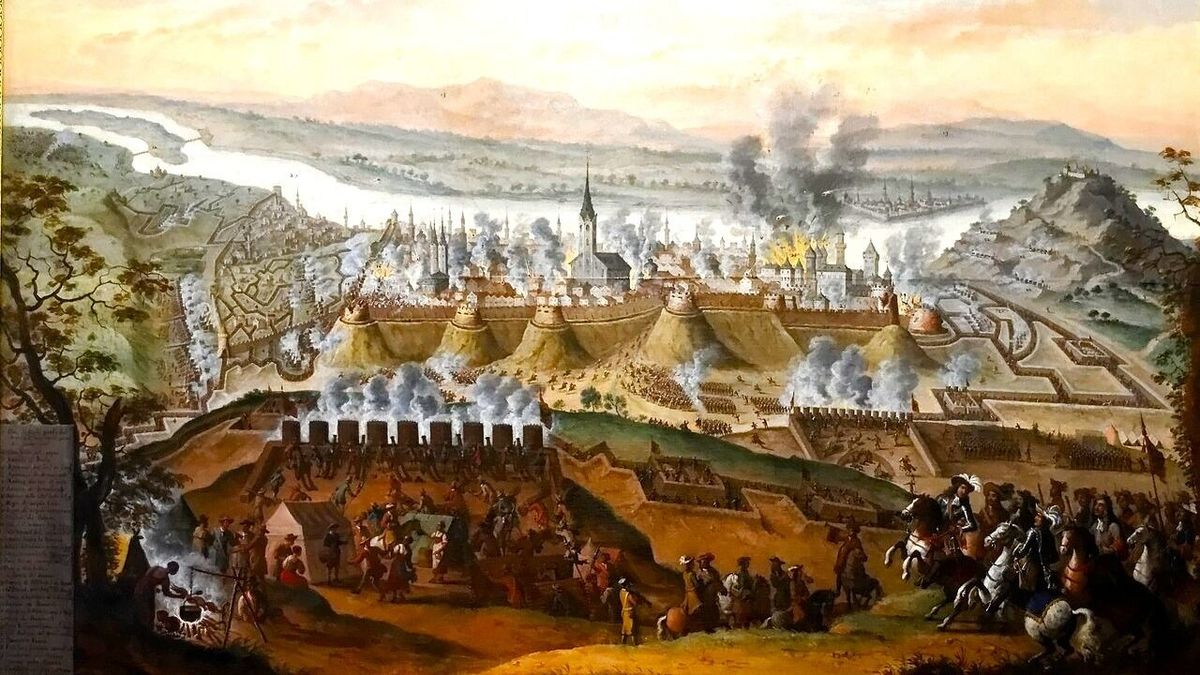
At three o’clock on the afternoon of Sept. 2, 1686, the Christian army besieging Buda began the assault that would reshape the history of Hungary. The forces of the Holy League had arrived outside the ancient royal seat earlier that summer, seeking to retake a city the Ottoman Empire had held since 1541.
The assault was presented as a historic reckoning after the catastrophe at Mohács a century and a half earlier. When the Vienna Gate was blown open, Hungarian soldier János Fiáth was said to have reached the top first. In a bloody hand-to-hand fight, he defeated the Ottoman guards, tore down the horse-tail crescent standard and threw it into the depths.
Fiáth then raised a Hungarian military flag bearing the Virgin Mary. Thousands of Christian soldiers below responded with a thunderous cheer, while across Europe church bells rang at the news of Buda’s liberation.
The campaign had followed the failed Ottoman attempt to take Vienna, led by Grand Vizier Kara Mustafa Pasha under Sultan Mehmed IV. After further Christian victories, including the Battle of Párkány and the recapture of Esztergom, the route opened toward the liberation of the Hungarian territories under Ottoman rule. Kara Mustafa fled to Belgrade, but Mehmed IV later sent him the silk cord that signaled the sultan’s order for his execution.
About this summary
Originally published by Magyar Nemzet in Hungarian. Translated, summarized, and contextualized automatically by DistantNews, with a note on how the source frames the story. Not individually reviewed before publishing. How this works.
More Stories


From Our Blog

Countries Without a Free Press: What You Need to Know

What Press Freedom Means for the News You Read

What Gets Lost (and Found) When News Is Translated

The Critical Role of Diaspora Media in Global News

What Travellers Should Know About Countries with Restricted Press
