

BUDGET 2026-27: IMF-mandated curbs squeeze development spending
Summarized and contextualized by DistantNews.
At a glance
News
Named sources
New plan
- Pakistan's government unveiled a record Rs4.715 trillion development plan for 2026-27, with significant increases in provincial and state-owned entity allocations.
- Federal Public Sector Development Programme (PSDP) funding was significantly curtailed to Rs1.126 trillion due to International Monetary Fund (IMF) restrictions, falling short of the Rs4.1 trillion requirement.
- The limited federal budget prioritizes national highways and includes allocations for coalition partners and ruling party lawmakers' schemes, drawing criticism for squeezing essential development spending.
Pakistan's government has announced a record Rs4.715 trillion national development program for the 2026-27 fiscal year, a plan shaped significantly by International Monetary Fund (IMF) oversight. While provincial allocations saw a 9.6% increase to Rs3.138 trillion and state-owned entities are contributing Rs451 billion (up 27%), the federal Public Sector Development Programme (PSDP) faces a stark shortfall.
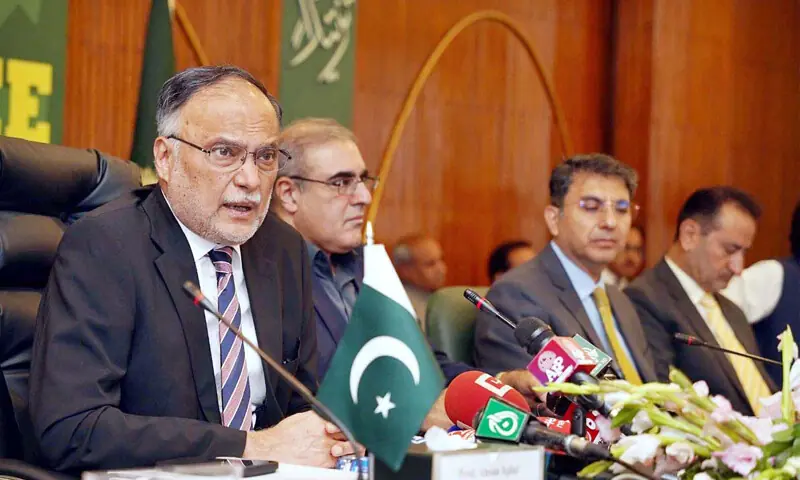
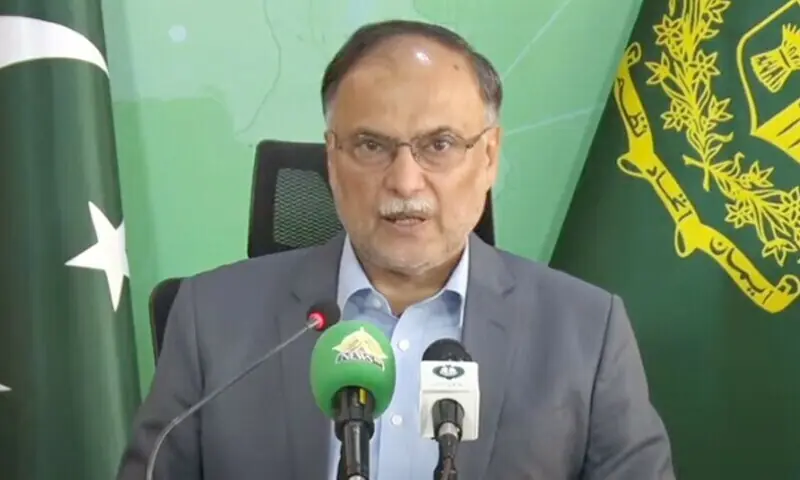
Planning and Development Minister Ahsan Iqbal revealed the federal PSDP allocation at Rs1.126 trillion, a figure he described as "a new circular debt crisis." This amount falls drastically short of the Rs4.1 trillion deemed necessary to address the Rs11 trillion in liabilities from approximately 800 ongoing projects. The Ministry of Finance could only allocate this amount due to IMF restrictions, despite the minister's request for a minimum of Rs2.9 trillion.
Within the constrained federal budget, significant portions are earmarked for national highways, including Rs125 billion for the N-25 highway in Balochistan, funded partly by an additional petroleum product levy. Allocations for coalition partners and ruling party lawmakers' schemes also feature prominently. This prioritization has led to criticism that essential development spending is being squeezed, particularly for projects that would support export growth and social welfare.
Iqbal lamented the stagnation of development projects over the past eight years, contrasting it with the record investments made between 2013 and 2018. He expressed concern that the country continues to rely on foreign debt and bond issuance for liabilities rather than fostering export growth to finance national development.
a new circular debt crisis
DistantNews Editorial
Originally published by Dawn. Summarized and contextualized by our editorial team with added local perspective. Read our editorial standards.
More Stories
From Our Blog

What Gets Lost (and Found) When News Is Translated

The Critical Role of Diaspora Media in Global News

What Travellers Should Know About Countries with Restricted Press

A Digital Nomad's Guide to Following Local News

How the Same Story Looks Different in Different Countries
