

Pakistan's farmers fear budget as policy experiments harm sector
Translated from English, summarized and contextualized by DistantNews.
At a glance
News
Sources not specified
Context piece
- Pakistani farmers face growing fears and fading hopes ahead of the next budget due to the government's inconsistent agricultural policies.
- Deregulation of inputs has increased production costs, while controlled output prices and policy reversals on wheat have harmed farm profitability.
- Experts and farmers urge the government to establish a clear, long-term policy direction and commit resources in the upcoming budget.
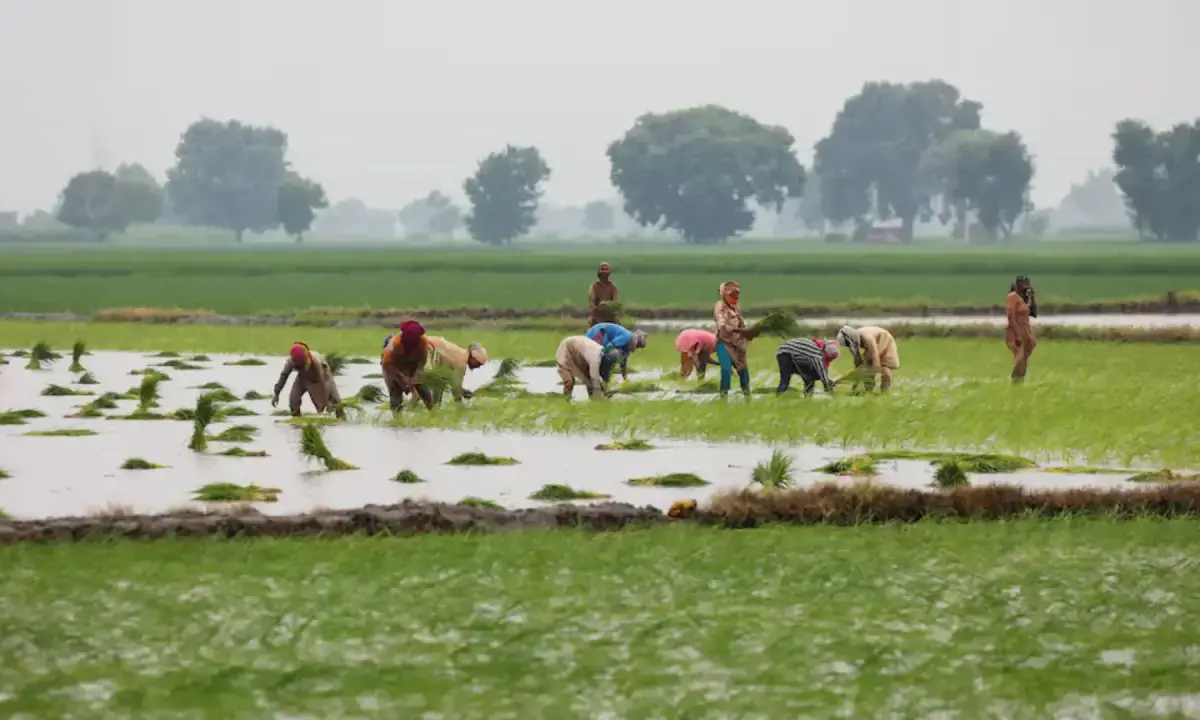
Pakistani farmers are approaching the upcoming budget with significant apprehension, their hopes diminished by years of government experimentation with agricultural subsidies, procurement prices, and input costs. This "trial-and-error" approach has created an existential crisis for the sector, largely due to the government's perceived inability or unwillingness to implement a stable, long-term policy.
The deregulation of agricultural inputs has led to a continuous rise in production costs. However, the government hesitates to pass these increases onto consumers due to political considerations. This creates a difficult situation where input costs are rising while output prices are controlled, severely curtailing farm profitability. Farmers and agricultural experts are calling for a clear decision this year: either embrace deregulation unambiguously and allow market forces to determine equilibrium, or clearly regulate inputs and trade.
After all, this is going to be the third budget of this government; it must decide where it wants to take the sector. If it wants to regulate agricultural inputs and trade, it should do so clearly. If it plans to deregulate, it must do so unambiguously. But it must make the direction clear.
Policy "somersaults" on wheat, the national staple, exemplify the ruinous impact of inconsistent policies. After withdrawing from the wheat procurement process, the Punjab government attempted to lure commercial buyers with profit guarantees, only to revert to administrative control and seize farmers' stocks when the model faltered. This erratic handling has become characteristic of the government's approach to the entire agricultural sector, leaving growers frustrated and uncertain about the future.
If deregulation is the preferred path, as appears to be the case, then the government should stop interfering in the market on behalf of different stakeholders, whether farmers, consumers, traders or manufacturers, at different levels and times, and let the market find its own equilibrium.
DistantNews Editorial
Originally published by Dawn in English. Translated, summarized, and contextualized by our editorial team with added local perspective. Read our editorial standards.
More Stories
From Our Blog

What Gets Lost (and Found) When News Is Translated

The Critical Role of Diaspora Media in Global News

What Travellers Should Know About Countries with Restricted Press

A Digital Nomad's Guide to Following Local News

How the Same Story Looks Different in Different Countries
