

Burgenland Governor urges government austerity, criticizes SPÖ leadership
Translated from German, summarized and contextualized by DistantNews.
At a glance
News
Sources not specified
Context piece
- Burgenland Governor Hans Peter Doskozil criticizes the Austrian federal government's spending and calls for fewer government offices.
- He urges SPÖ party leader Andreas Babler to address the party's "major loss of trust" among voters, warning the SPÖ is becoming a "small party."
- Doskozil also criticized Austria's response to migration, citing the Ceuta crisis as evidence of European and specifically Austrian Interior Ministers' weakness in border protection.
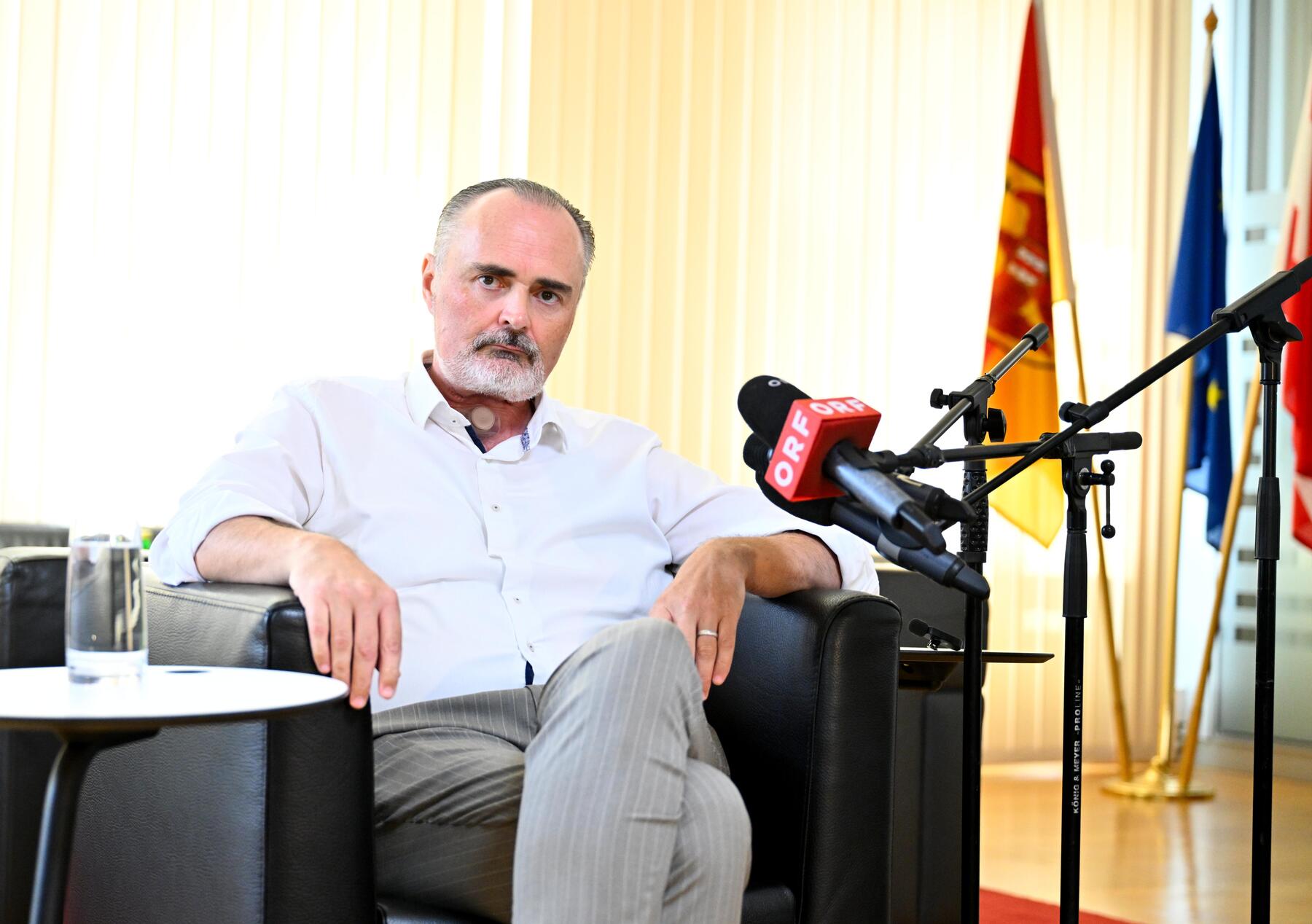
Burgenland Governor Hans Peter Doskozil has sharply criticized the Austrian federal government's spending habits, advocating for austerity within its own ranks and suggesting that ten government offices would suffice. Doskozil believes the current administration is not demonstrating sufficient self-criticism regarding spending.
There are tasks where the federal government can prove itself that it can save money with self-criticism. I don't see that yet. Talking about saving every day and not saving there is a slap in the face of every single taxpayer.
Doskozil also directed strong criticism at his own party, the SPÖ, and its leader, Andreas Babler. He expressed concern that the party's current standing, polling at 15 percent, indicates a significant "loss of trust" from voters. "Something is not right," Doskozil stated, urging Babler to take action to reverse this trend and prevent the SPÖ from further devolving into a "small party."
Furthermore, Doskozil addressed the issue of migration, referencing the recent crisis in Ceuta where thousands of migrants entered the Spanish enclave. He argued that this situation highlights Europe's inability to protect its borders and maintain control. Doskozil believes that procedures for processing asylum claims outside of Europe are the only solution to end human smuggling activities.
This responsibility he must take on.
He specifically pointed to the Austrian Interior Minister, Gerhard Karner, suggesting that while Karner supports the idea of external processing centers, he has been unable to implement it effectively. Doskozil sees the events in Ceuta as a signal of weakness, not just for Europe, but for interior ministers, including Austria's.
This shows that we have learned nothing in Europe, that we cannot protect the borders and are not in control of the situation.
DistantNews Editorial
Originally published by Die Presse in German. Translated, summarized, and contextualized by our editorial team with added local perspective. Read our editorial standards.
More Stories

From Our Blog

What Gets Lost (and Found) When News Is Translated

The Critical Role of Diaspora Media in Global News

What Travellers Should Know About Countries with Restricted Press

A Digital Nomad's Guide to Following Local News

How the Same Story Looks Different in Different Countries
