


Busan seeks UNESCO World Heritage status for wartime history
Translated from Korean, summarized and contextualized by DistantNews.
At a glance
News
Sources not specified
New plan
- Busan is aiming to have its wartime history recognized as a UNESCO World Heritage site by 2030.
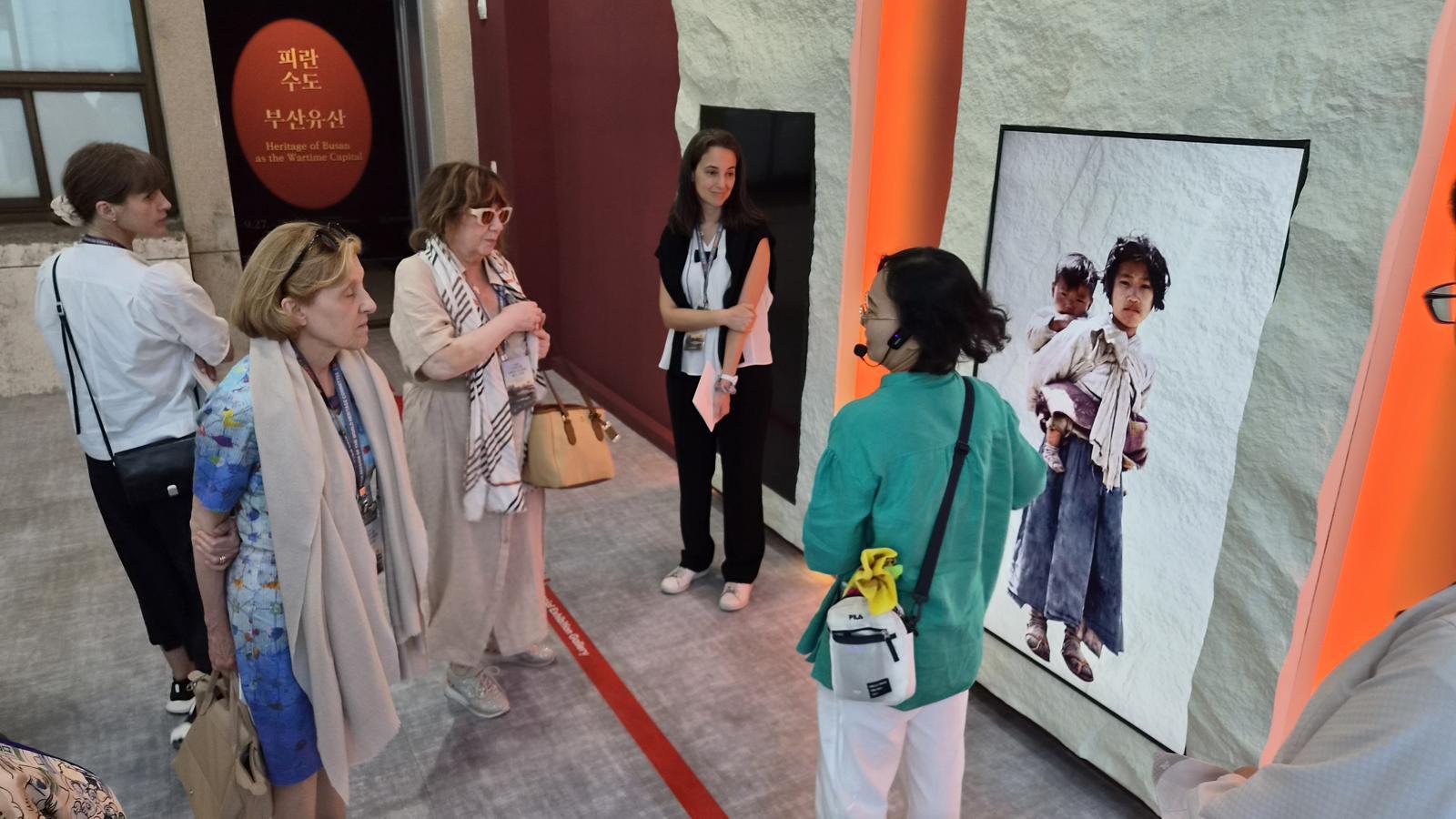
- International experts and participants joined a field trip to learn about the city's role as a temporary capital during the Korean War.
- The initiative seeks to raise global awareness of Busan's historical significance, particularly its connection to the division of Korea and post-war development.
Busan is actively pursuing UNESCO World Heritage status for its wartime history, with a target of 2030 for the "Wartime Capital Busan Heritage" inscription. The city recently hosted a "Busan Heritage Field Trip" for 12 international participants, including cultural heritage experts, to foster global interest in its historical significance.
Participants from countries like Fiji, the UK, and Portugal explored key historical sites, including the Busan Modern History Museum, Yongdusan Park, and Bupyeong Kkangtong Market. The museum, housed in a building formerly used by the Oriental Development Company during the Japanese colonial era and later by the U.S. embassy and information service during the Korean War, provided a tangible link to the past.
It was a class where I learned Busan's history vividly.
During the tour, one participant marveled at South Korea's rapid development following the devastation of war. The guide explained this progress was driven by the government's economic development policies and the efforts of businesses. The initiative highlights Busan's transformation from a temporary capital and refuge during conflict to a modern metropolis, emphasizing its resilience and historical depth.
How did Korea, which experienced a great war, develop so quickly?
DistantNews Editorial
Originally published by Dong-A Ilbo in Korean. Translated, summarized, and contextualized by our editorial team with added local perspective. Read our editorial standards.
More Stories


From Our Blog

What Gets Lost (and Found) When News Is Translated

The Critical Role of Diaspora Media in Global News

What Travellers Should Know About Countries with Restricted Press

A Digital Nomad's Guide to Following Local News

How the Same Story Looks Different in Different Countries
