


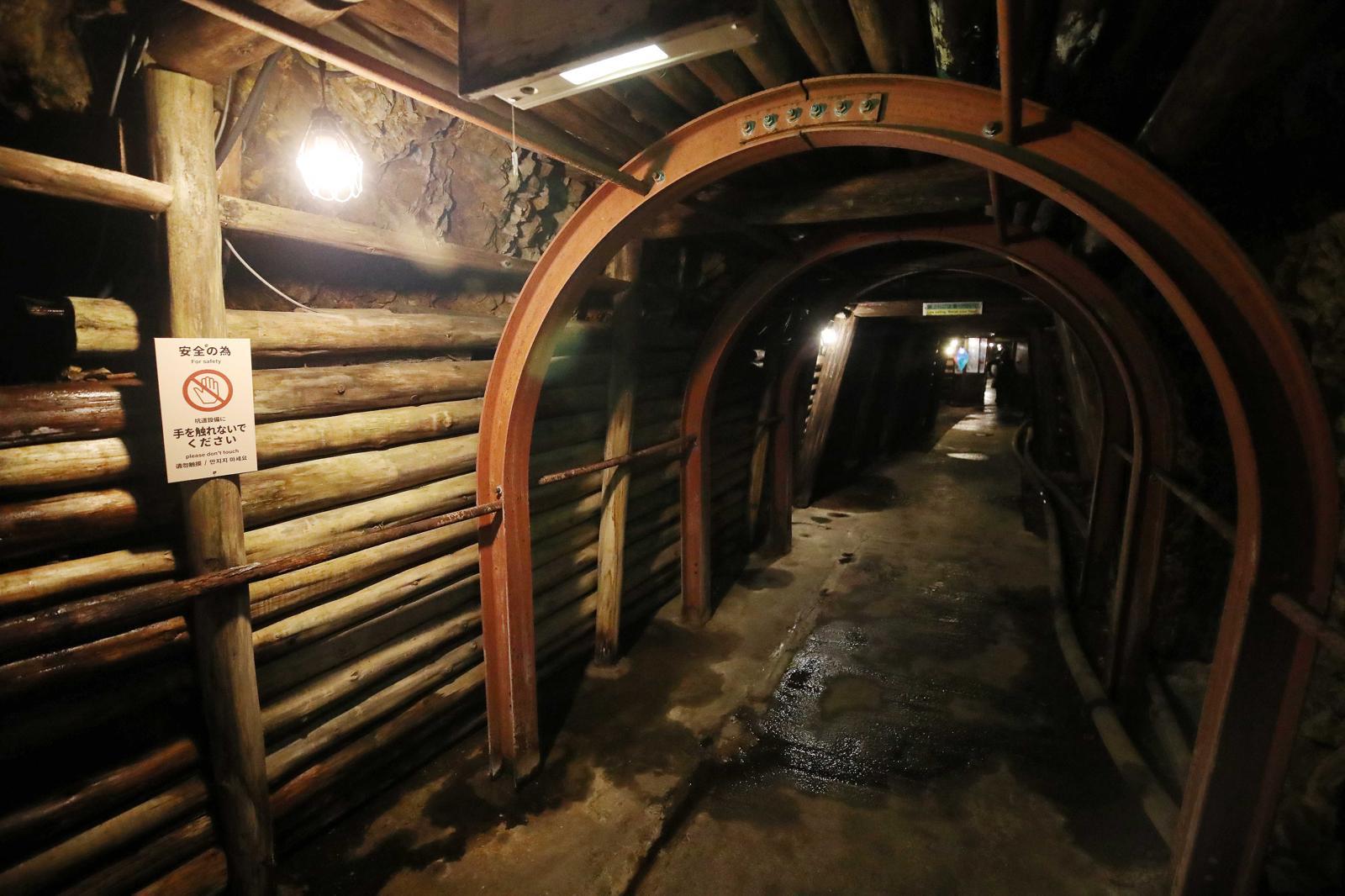
UNESCO urges Japan to include forced labor history in Sado mine exhibition
Translated from Korean, summarized and contextualized by DistantNews.
At a glance
News
Official statement
New plan
- The UNESCO World Heritage Committee adopted a decision urging Japan to improve its exhibition at the Sado mine to cover its 'entire history.'
- The decision specifically calls for better disclosure of the forced mobilization of Korean laborers during the mine's operational period.
- Japan is required to submit an updated conservation status report by December 2025 for review by the World Heritage Committee.
The UNESCO World Heritage Committee (WHC) has adopted a decision calling on Japan to enhance its exhibition at the Sado mine, emphasizing the need to present the 'entire history' of the site. This move specifically targets the inadequate disclosure of the forced mobilization of Korean laborers during the mine's history.
Further explanation is needed on how the entire history of the heritage site, covering the period before the mine's development, is comprehensively addressed.
The 48th session of the World Heritage Committee, held in Busan, South Korea, reviewed Japan's conservation status report for the Sado mine. Without debate or amendment, the committee adopted a decision requesting Japan to provide further explanations on how the site's full history is comprehensively addressed. It also mandates that Japan regularly report progress to the World Heritage Centre.
Japan is now required to submit an updated conservation status report to the World Heritage Centre by December 1, 2025. This report will be reviewed at the 50th session of the World Heritage Committee the following year. The decision further recommends that the Japanese government consult closely with relevant parties to ensure the presentation of the site's complete history.
Japan is required to submit an updated conservation status report by December 1, 2025, and it will be reviewed at the 50th session of the World Heritage Committee.
An advisory body to UNESCO, the International Council on Monuments and Sites (ICOMOS), noted in its report that the Sado mine's history includes periods of forced labor. The committee's decision reflects a broader international push for historical sites to accurately represent all aspects of their past, particularly concerning human rights issues during periods of conflict and occupation.
The Japanese government is recommended to consult closely with relevant parties in presenting the site's entire history.
DistantNews Editorial
Originally published by Dong-A Ilbo in Korean. Translated, summarized, and contextualized by our editorial team with added local perspective. Read our editorial standards.
More Stories


From Our Blog

What Gets Lost (and Found) When News Is Translated

The Critical Role of Diaspora Media in Global News

What Travellers Should Know About Countries with Restricted Press

A Digital Nomad's Guide to Following Local News

How the Same Story Looks Different in Different Countries
