

Cabinet Reshuffle by Friedrich Merz: "No Magic in This New Beginning"
Translated from German, summarized and contextualized by DistantNews.
At a glance
Analysis
Named sources
New plan
- German press reacts skeptically to Chancellor Friedrich Merz's cabinet reshuffle, calling it "hasty" and "risky."
- Critics point to the rushed nature of the changes following a previous minister's departure and concerns about new appointments' readiness.
- The reshuffle aims to bring Merz's allies into key positions and install the first female Chancellery Minister, but faces criticism for lacking clear strategy.
German media outlets have met Chancellor Friedrich Merz's cabinet reshuffle with skepticism, questioning the timing and strategy behind the changes. The Frankfurter Allgemeine Zeitung described the reshuffle as "hasty," driven by the recent departure of former parliamentary group leader Jens Spahn and the subsequent handling of Transport Minister Patrick Schnieder's situation. The newspaper suggested that further personnel changes could turn Spahn's exit into a "summer theater."
It would have been so nice for Merz: Jens Spahn resigns, quick process, done.
Despite criticism, the Frankfurter Allgemeine Zeitung acknowledged Merz's success in positioning three close allies more favorably and appointing the first female Chancellery Minister. However, the Handelsblatt criticized Merz's perceived lack of a clear strategy, stating, "It is not known in recent history that a national economy has emerged from a crisis through the public dismantling of its responsible ministers." The publication argued that while Merz may have learned from his ministers' mistakes, he has not addressed his own, suggesting he has not fully settled into the role of Chancellor.
Should further names follow, Spahn's departure will still turn out to be the start of a summer theater.
The Frankfurter Rundschau adopted a critical tone, noting, "There is no magic in this new beginning." The paper found the reshuffle to be "hasty" due to the handling of Schnieder's situation and "unfinished" with further personnel changes anticipated. Replacing former Health Minister Nina Warken with CDU General Secretary Carsten Linnemann during a reform process was deemed "risky," particularly as Linnemann would need time to familiarize himself with the role. The appointment of Linnemann, the paper suggested, creates an impression that loyalty might be prioritized over expertise.
It is not known in recent history that a national economy has emerged from a crisis through the public dismantling of its responsible ministers.
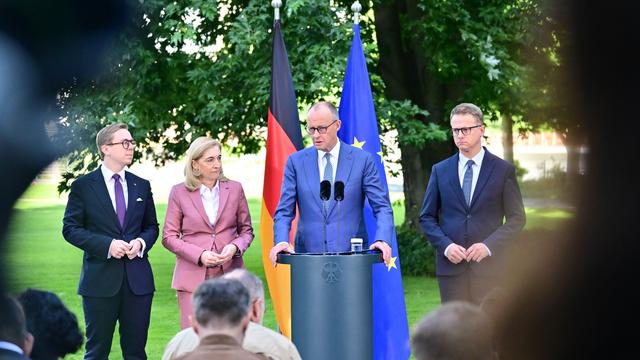
Nearly 15 months into his chancellorship, Merz used Spahn's resignation to enact a significant cabinet overhaul. Warken is now the Chancellery Minister, succeeding Thorsten Frei, who replaces Spahn as parliamentary group leader. Linnemann takes over the Health Ministry. Chancellor Merz also appointed Philipp Amthor as the new Minister of State for Federal-State Relations at the Chancellery. Merz indicated that further personnel decisions would follow.
There is no magic in this new beginning.
DistantNews Editorial
Originally published by Die Zeit in German. Translated, summarized, and contextualized by our editorial team with added local perspective. Read our editorial standards.
More Stories


From Our Blog

What Gets Lost (and Found) When News Is Translated

How the Same Story Looks Different in Different Countries

The Critical Role of Diaspora Media in Global News

What Travellers Should Know About Countries with Restricted Press

A Digital Nomad's Guide to Following Local News
