

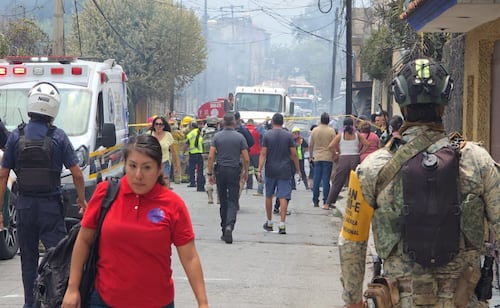
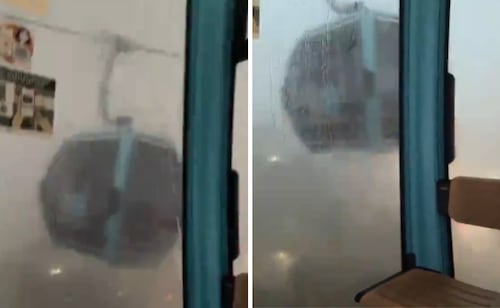
Cablebús gondolas swing violently in Mexico City storm
Translated from Spanish, summarized and contextualized by DistantNews.
At a glance
News
Sources not specified
Outcome reported
- Intense rains and strong winds in Mexico City on August 1 caused Cablebús gondolas to stop mid-journey due to safety protocols.
- Passengers experienced panic as the gondolas swung violently in the wind, with videos of the incident circulating online.
- While the system is designed to withstand extreme weather, the incident sparked criticism about the reliability of the aerial transport system.
Mexico City experienced intense rainfall and powerful winds on August 1, leading to significant disruptions, most notably for passengers on the Cablebús aerial transport system. Several gondolas halted mid-route as safety protocols were activated due to the severe weather conditions.
During the suspension of service, strong gusts of wind caused the cabins to swing violently, creating a chaotic and frightening experience for those trapped inside. Videos capturing the dramatic oscillations of the gondolas against the backdrop of heavy rain quickly spread across social media platforms, sparking widespread concern and criticism.
While the Cablebús system is engineered to meet international standards and includes safety features like automatic emergency brakes triggered by wind speed limits, the visual of the swinging cabins generated considerable public anxiety. Many users expressed doubts about the system's reliability in extreme weather, with some questioning its suitability for mass transit.
Authorities recommend that the public stay informed about weather advisories before using exposed transport systems. Although the gondolas are designed to handle dynamic oscillations and electrical discharges, the perception of insecurity among travelers was heightened by the incident, underscoring the challenges of operating such systems during severe meteorological events.
DistantNews Editorial
Originally published by El Universal in Spanish. Translated, summarized, and contextualized by our editorial team with added local perspective. Read our editorial standards.
More Stories
From Our Blog

What Press Freedom Means for the News You Read

What Gets Lost (and Found) When News Is Translated

The Critical Role of Diaspora Media in Global News

What Travellers Should Know About Countries with Restricted Press

A Digital Nomad's Guide to Following Local News
