

Calgary Area 'Very Uniquely Situated' for Hailstorm Study, Says Researcher
Translated from English, summarized and contextualized by DistantNews.
At a glance
News
Sources not specified
Context piece
- Calgary is uniquely situated for studying hailstorms due to its proximity to mountains, prairies, and atmospheric conditions.
- The city is located in "hailstorm alley," an area known for frequent and destructive hailstorms, including one in August 2024 that caused over $2.8 billion in damage.
- The Northern Hail Project is conducting research in Alberta, using specialized equipment to collect data on hail and storm dynamics.
Calgary's unique geographical and atmospheric conditions make it an ideal location for studying hailstorms, according to Julian Brimelow, director of the Northern Hail Project at Western University's Canadian Severe Storms Laboratory.
Brimelow explained that Calgary's proximity to the mountains causes moisture to rise, fueling thunderstorm updrafts. Combined with wind shear, these conditions help organize storms into hailstorms. The city's location, situated between the mountains and the prairies, with crops releasing moisture into the atmosphere, further contributes to the formation of severe weather.
What the mountains do is they allow the moisture to pull up against them and they also help the air to rise, so as that moist, juicy air, for whatever better word, rises, it fuels the updrafts of these thunderstorms, and then the wind shear, or the strong winds, help organize those storms into hailstorms.
Calgary is known as Canada's "hailstorm capital" and lies within "hailstorm alley," a region stretching from High River to Rocky Mountain House and north of Red Deer. This area experiences Canada's most destructive hailstorms. Notably, a storm on August 5, 2024, caused more than $2.8 billion in damage, making it the second most costly natural disaster for the Canadian insurance industry.
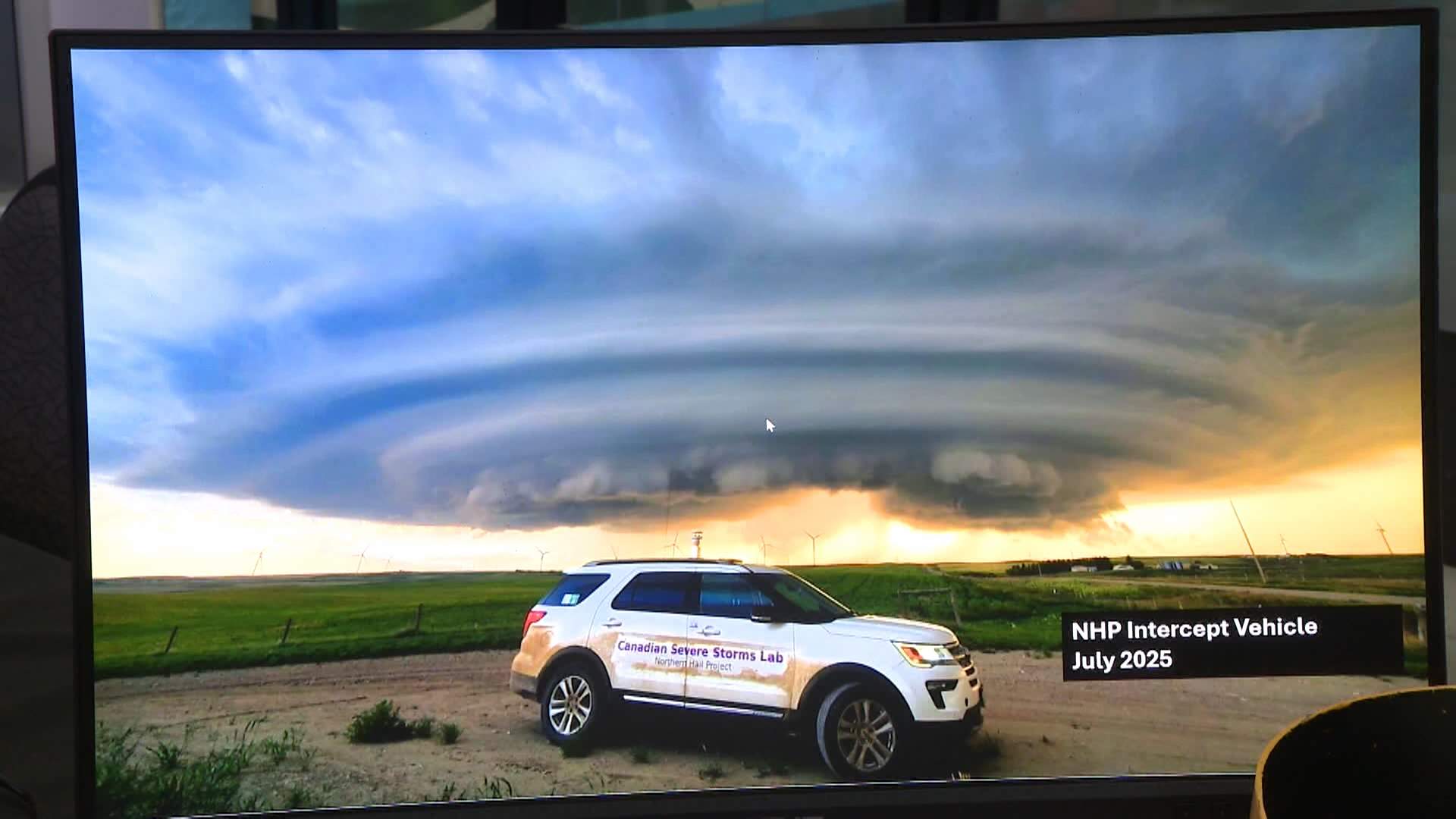
Members of the Northern Hail Project recently hosted a public outreach program at Telus Spark in Calgary, educating attendees about hail science and showcasing specialized equipment. This includes a hail intercept vehicle named Hail Swath, used to chase storms and measure their size and impact. The project is in its fifth year in Alberta, with this year's focus on testing new instrumentation like portable weather stations, high-speed cameras, and hail catchers that freeze hailstones instantly.
This is our fifth year in Alberta. The first four years we’d go in behind and collect this hail as soon as we could, and that’s difficult, especially with the lightning and the rain.
DistantNews Editorial
Originally published by Global News in English. Translated, summarized, and contextualized by our editorial team with added local perspective. Read our editorial standards.
More Stories


From Our Blog

What Gets Lost (and Found) When News Is Translated

The Critical Role of Diaspora Media in Global News

What Travellers Should Know About Countries with Restricted Press

A Digital Nomad's Guide to Following Local News

How the Same Story Looks Different in Different Countries
