


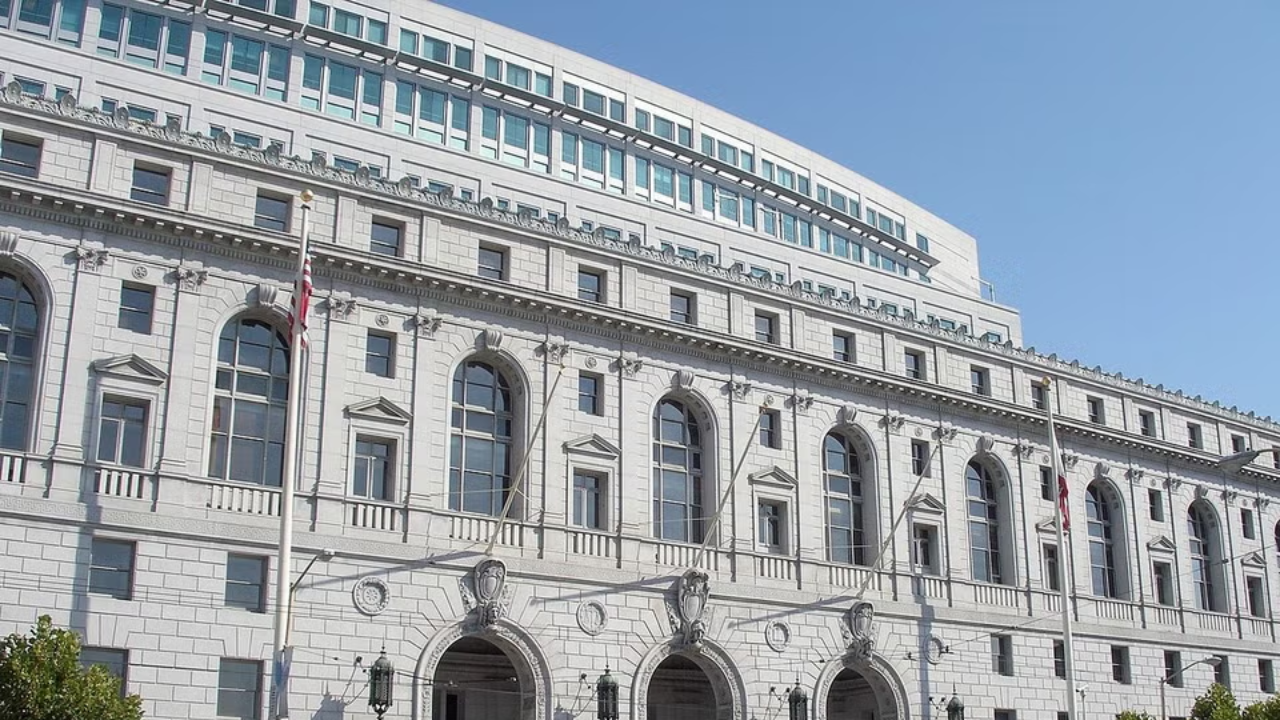
California town's decade-long fight to seize water utility ends in court defeat
Translated from English and summarized by DistantNews. Read the original for the full story.
At a glance
News
Sources not specified
Outcome reported
- California's Supreme Court rejected a town's attempt to use eminent domain to seize its private water utility.
- The court requires a thorough, independent evaluation of necessity declarations before utilities can be seized.
- This ruling empowers private utility companies to more effectively challenge municipal takeover efforts.
A California town's nearly decade-long effort to acquire its privately owned water utility through eminent domain has been thwarted by the state's Supreme Court. The court's landmark decision dismissed the town's claim, establishing a higher bar for municipalities seeking to take control of essential services.
The judges stressed the critical need for a comprehensive and independent assessment of necessity declarations. This ruling signifies a crucial shift in judicial review, requiring a more rigorous justification before a town can seize private water, gas, or electricity companies.
This decision provides private utility firms with a stronger legal standing to contest municipal takeover attempts. It suggests that courts will now scrutinize such actions more closely, potentially slowing down or preventing the public acquisition of private infrastructure.
The ruling underscores the complexities involved in municipal utility acquisition and the legal protections afforded to private companies operating essential services. It highlights the balance courts seek between public interest and private property rights.
About this summary
Originally published by Times of India in English. Translated, summarized, and contextualized automatically by DistantNews, with a note on how the source frames the story. Not individually reviewed before publishing. How this works.
More Stories



From Our Blog

What Press Freedom Means for the News You Read

What Gets Lost (and Found) When News Is Translated

The Critical Role of Diaspora Media in Global News

What Travellers Should Know About Countries with Restricted Press

A Digital Nomad's Guide to Following Local News
