

Cam Ranh Airport to Triple Capacity to 36 Million Passengers by 2050
Translated from Vietnamese, summarized and contextualized by DistantNews.
At a glance
News
Official statement
New plan
- Cam Ranh International Airport in Vietnam is set to significantly increase its passenger and cargo capacity by 2050.
- The airport will be upgraded to handle 36 million passengers and 100,000 tons of cargo annually by 2050, with interim targets for 2030.
- The expansion includes new runways, taxiways, aircraft parking bays, and passenger terminals to accommodate future growth.
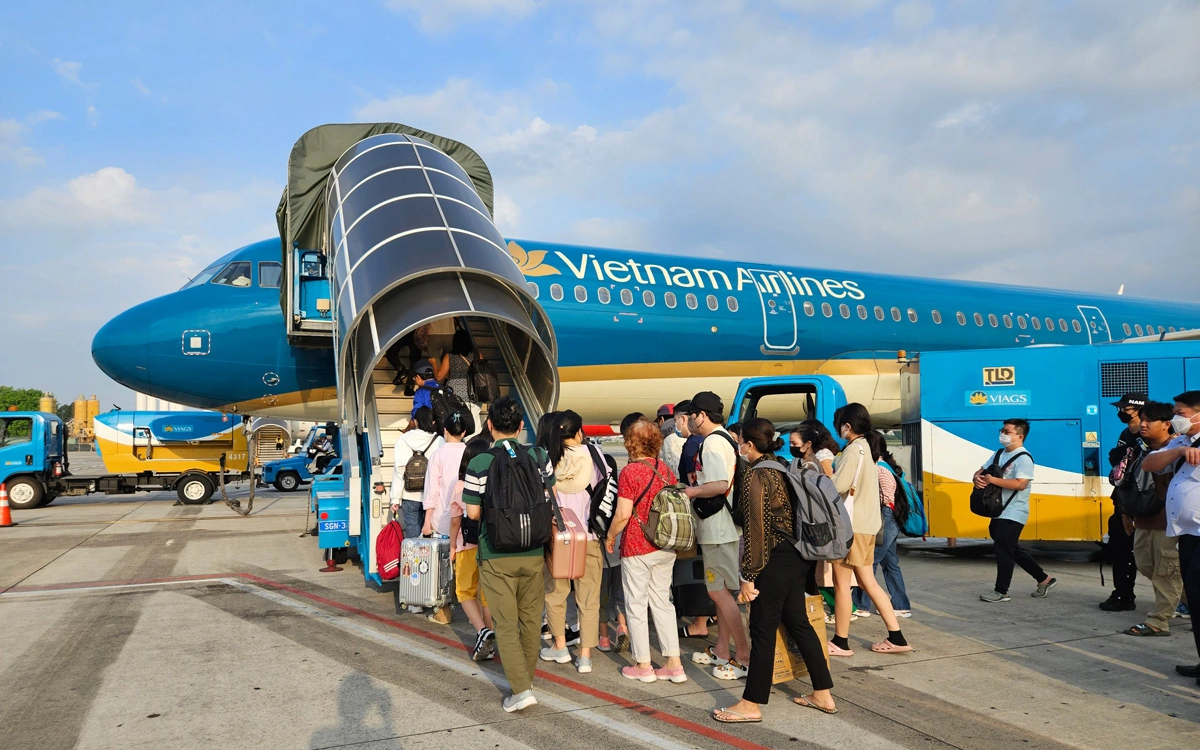
Cam Ranh International Airport is undergoing a significant expansion plan to boost its capacity to 36 million passengers and 100,000 tons of cargo annually by 2050. The airport, which currently handles 8 million passengers per year, will see its capacity increase to 19 million passengers and 50,000 tons of cargo by 2030.
The airport will maintain its ICAO 4E category, capable of handling large aircraft like the Boeing 747, 777, 787, and Airbus A350, A321. The expansion includes the addition of a new runway (02L/20R) measuring 3,350 meters long and 45 meters wide, complementing the existing runway (02R/20L). The taxiway system will also be extended and modernized to synchronize with the new runway.
Aircraft parking capacity will grow from approximately 45 bays to 70 by 2050. The existing air traffic control tower will be maintained until 2030, with a new tower planned for the west of the current location by 2050. Passenger terminal T1 will be upgraded to handle 11 million passengers annually by 2030, while a new T2 terminal will have a capacity of 8 million passengers. By 2050, T1 will be expanded to 14 million passengers, and a new T3 terminal will be built with a capacity of 14 million passengers, alongside the existing T2.
A general aviation terminal is also planned between T1 and T3. Cargo facilities will be developed in the northern area of T2, with capacity increasing from 50,000 tons per year by 2030 to 100,000 tons by 2050. Access to the airport will be improved with a new six-lane main road connecting to Nguyen Tat Thanh street, with provisions for future expansion. The total land area allocated for the airport's civil and military use will be approximately 628.41 hectares.
DistantNews Editorial
Originally published by Tuổi Trẻ in Vietnamese. Translated, summarized, and contextualized by our editorial team with added local perspective. Read our editorial standards.
More Stories


From Our Blog

What Gets Lost (and Found) When News Is Translated

The Critical Role of Diaspora Media in Global News

What Travellers Should Know About Countries with Restricted Press

A Digital Nomad's Guide to Following Local News

How the Same Story Looks Different in Different Countries
