

Cameroon: Patrick Mengue sentenced for Facebook comment, lawyer decries abuse of power
Translated from French, summarized and contextualized by DistantNews.
At a glance
News
Sources not specified
Outcome reported
- A Cameroonian court sentenced Patrick Mengue to six months in prison for
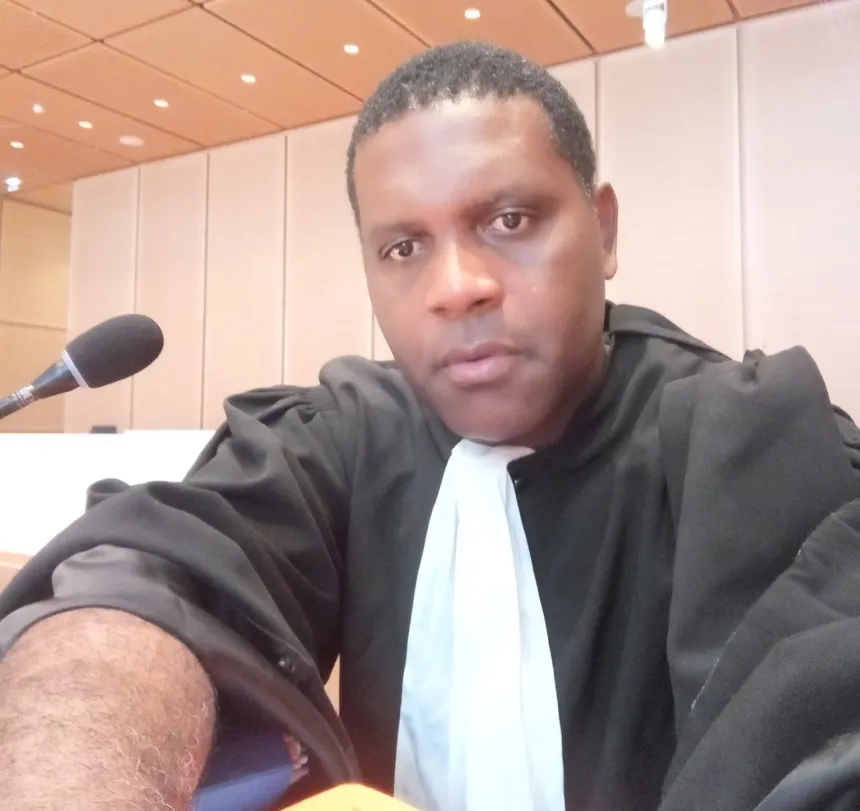
A Cameroonian court sentenced Patrick Mengue, 24, to six months in prison on July 27, 2026, for "outrage to the president of the Republic." Mengue had commented on Facebook, "Lord, you are already approaching the target, one more effort please," in reference to the head of state. The verdict has stirred controversy in Cameroon. International lawyer Christian Bomo Ntimbane, who identifies as an opponent of the regime, condemned the sentence. He argued that wishing death upon a head of state is not a crime in democratic nations and that many people worldwide would face similar charges if that were the case. Ntimbane, with 30 years of legal experience, stated he has never witnessed such a conviction in Cameroon or internationally based on a mere wish. He expressed concern about how many Cameroonians might face similar charges for expressing disapproval of authorities. Ntimbane's stance aligns with that of lawyer Batam Nkolong, who defended Mengue. Nkolong declared the justice system was not independent and that truth did not prevail in this case. He plans to appeal the decision to the Court of Appeal of the Centre.
The case highlights ongoing tensions surrounding freedom of expression in Cameroon. Mengue's Facebook comment, though seemingly mild, was interpreted as an offense against the president, leading to a harsh legal consequence. The lawyer's defense and subsequent appeal signal a challenge to the judiciary's perceived lack of independence and the application of laws related to presidential dignity. The outcome of the appeal will be closely watched as it could set a precedent for similar cases involving online speech and criticism of the government.
The conviction raises questions about the boundaries of free speech and the potential for legal repercussions for expressing dissent, even indirectly. Ntimbane's assertion that such a wish is not a crime in democratic countries underscores a perceived discrepancy between Cameroon's legal practices and international norms. The case is likely to fuel further debate about human rights and the rule of law in the country.
DistantNews Editorial
Originally published by Journal du Cameroun in French. Translated, summarized, and contextualized by our editorial team with added local perspective. Read our editorial standards.
More Stories



From Our Blog

What Gets Lost (and Found) When News Is Translated

The Critical Role of Diaspora Media in Global News

What Travellers Should Know About Countries with Restricted Press

A Digital Nomad's Guide to Following Local News

How the Same Story Looks Different in Different Countries
