


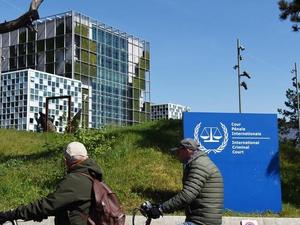
Chad withdraws from International Criminal Court
Translated from French, summarized and contextualized by DistantNews.
At a glance
News
Official statement
New plan
- Chad has notified the UN of its sovereign decision to withdraw from the Rome Statute of the International Criminal Court (ICC).
- The government cited the ICC's limited and variable effectiveness, particularly its perceived selectivity against African states.
- Chad encourages the African Union to strengthen continental judicial mechanisms for a more equitable justice system.
Chad has officially notified the United Nations Secretary-General of its sovereign decision to withdraw from the Rome Statute of the International Criminal Court (ICC). The Ministry of Foreign Affairs, African Integration, and Chadians Abroad announced the decision on Monday, citing the ICC's "limited and variable effectiveness" since its inception in 2002.
limited and variable effectiveness
The Chadian government specifically pointed to an "undeniable selectivity" in the court's actions. Official ICC statistics updated on May 11, 2026, show that out of thirteen investigations opened since 2002, nine concern African states, compared to four in other regions. Furthermore, of the seven individuals currently detained by the court, six are linked to African situations. This data fuels a perception, widely shared among many states, of a sustained concentration of the court's judicial activity on the Global South, particularly the African continent.
undeniable selectivity
Chad is urging the African Union and its member states to "deepen reflection on the future of a seemingly biased system" and to "accelerate the strengthening and operationalization of African judicial mechanisms." The ultimate goal is the emergence of "more equitable, balanced, credible, and effective continental justice" that respects African sovereignty. The government reiterated its "irreversible commitment to combating impunity for perpetrators of the most serious crimes" and its adherence to other international commitments. This "irrevocable decision" is not a renunciation of the moral imperative to deliver justice to victims, but rather a conviction that national and African judicial systems now possess the necessary capabilities to fulfill this mission "with dignity."
deepen reflection on the future of a seemingly biased system
DistantNews Editorial
Originally published by Journal du Cameroun in French. Translated, summarized, and contextualized by our editorial team with added local perspective. Read our editorial standards.
More Stories



From Our Blog

What Gets Lost (and Found) When News Is Translated

The Critical Role of Diaspora Media in Global News

What Travellers Should Know About Countries with Restricted Press

A Digital Nomad's Guide to Following Local News

How the Same Story Looks Different in Different Countries
