

Cameroon's leadership in question amid president's extended absence
Translated from French, summarized and contextualized by DistantNews.
At a glance
Analysis
Sources not specified
Ongoing story
- Questions surround who is governing Cameroon amid President Paul Biya's prolonged absence from the country.
- Recent significant changes within the military command, typically a presidential prerogative, have intensified speculation about decision-making authority.
- Observers are debating whether these actions are a strategy to solidify power, address rumors of Biya's incapacitation, or a precursor to a potential dynastic succession.
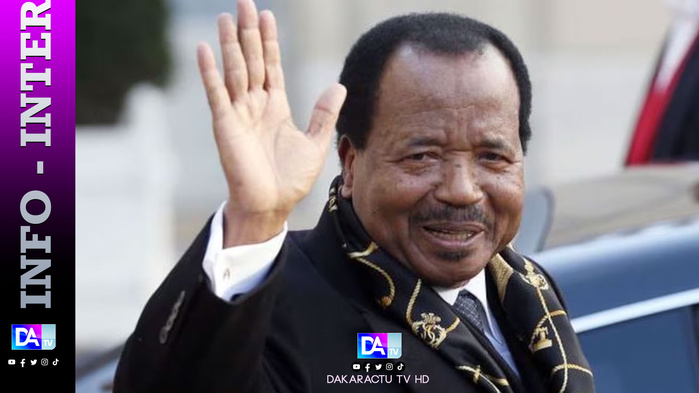
Speculation is rife in Cameroon regarding who is actually steering the nation's affairs during the prolonged absence of President Paul Biya, who has reportedly been abroad for nearly two months. The country is characterized by a political landscape where the president is the world's oldest, often spending more time outside Cameroon than within his palace, and where institutional norms appear to be frequently disregarded.
The situation has been further complicated by recent, significant changes within the military command. These appointments, which are exclusively the prerogative of the head of state, have raised critical questions. Observers are questioning who authorized these decrees, particularly given the president's absence and the sensitive nature of security and political matters they address. The timing of these military reshuffles, coinciding with heightened debate over Biya's extended absence, has fueled intense speculation.
Analysts are pondering the motives behind these recent decisions. Some suggest it could be a strategic move by the ruling power to counter rumors about Biya's health and potential incapacitation, while others believe it might be an effort to consolidate power or prepare for a future succession. Biya, known for his political acumen and longevity in power, has a history of employing a 'divide and conquer' strategy, often leaving subordinates uncertain about their standing.
This uncertainty, coupled with Biya's repeated absences and a perceived stagnation in governance, prevents any high-ranking official from publicly challenging decisions, fearing repercussions from Operation 'Epervier,' a government anti-corruption initiative. There is a growing perception that Biya might be positioning his son, Franck Biya, to succeed him, potentially through a vice-presidential appointment, creating a constitutional succession. However, the possibility of unforeseen sociopolitical shifts leading to a new order remains a subject of discussion.
DistantNews Editorial
Originally published by Le Pays in French. Translated, summarized, and contextualized by our editorial team with added local perspective. Read our editorial standards.
More Stories
From Our Blog

What Gets Lost (and Found) When News Is Translated

The Critical Role of Diaspora Media in Global News

What Travellers Should Know About Countries with Restricted Press

A Digital Nomad's Guide to Following Local News

How the Same Story Looks Different in Different Countries
