


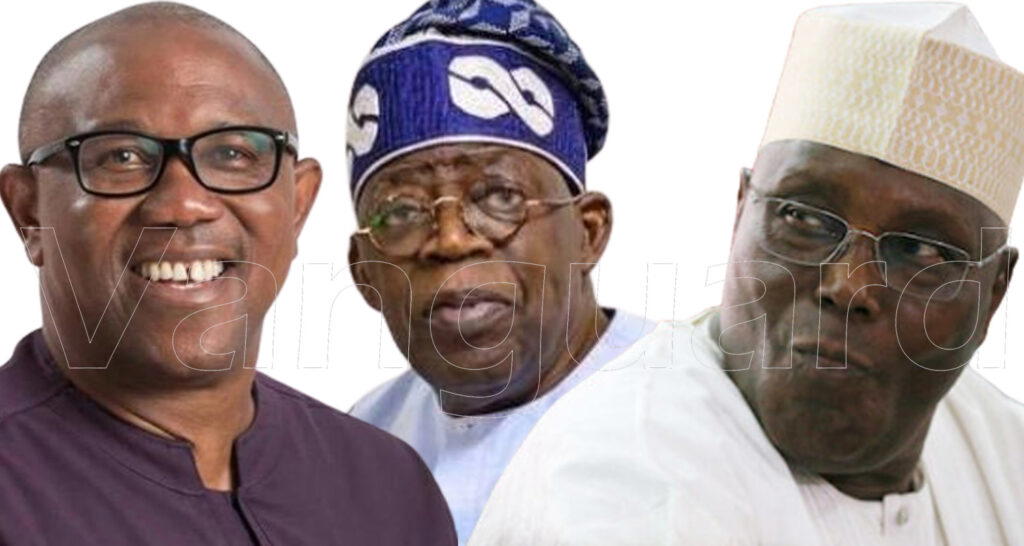
Campaigns kick off in Nigerian presidential race
Summarized and contextualized by DistantNews.
At a glance
News
From a news agency
Ongoing story
- Nigeria's presidential election campaigns begin five months before the vote.
- The election is dominated by high inflation and President Tinubu's economic reforms.
- Security crises, including jihadist violence and banditry, also plague the country.
Campaigning has officially kicked off in Nigeria, with just five months remaining until the presidential elections. The upcoming vote is expected to be heavily influenced by the nation's persistent economic challenges, particularly crushing inflation, and the impact of President Bola Tinubu's economic reforms.
Tinubu, elected in 2023, has implemented significant economic changes during his first term, including the removal of a costly fuel subsidy. While these reforms have garnered praise from economists and investors, they have also triggered a severe cost-of-living crisis. The Nigerian naira has depreciated sharply, and inflation surged to 34 percent, although it has since cooled to 15.4 percent as of July. Millions continue to grapple with poverty, with over 60 percent of Nigerians now living below the poverty line, an increase from 40 percent in 2019.
The economy is the biggest issue. That's the one thing that cuts across different parts of the country and it continues to affect security and development concerns.
Beyond economic woes, Nigeria faces multiple security crises. These include ongoing conflict with jihadists, widespread "bandit" gangs, clashes between farmers and herders over land, and a simmering separatist movement. Violence has escalated since 2024, driven by the spread of armed banditry across northern and central Nigeria and intensified conflict in Borno state, a stronghold of the jihadist insurgency.
Despite these challenges, President Tinubu, considered a shrewd politician, appears to have an advantage due to a divided opposition. His All Progressives Congress party holds a strong position, controlling the national assembly and a majority of governorships. The election is anticipated to be a rematch of the 2023 contest, with Tinubu facing former rivals Peter Obi and Atiku Abubakar. However, voter turnout remains a concern, with only 27 percent participating in the last election. Security fears and rising transportation costs also pose significant barriers for voters, as highlighted by one street vendor who expressed reluctance to travel to her home village to cast her ballot.
Nigeria is not safe, terrorists, kidnappers, bandits everywhere.
DistantNews Editorial
Originally published by Vanguard. Summarized and contextualized by our editorial team with added local perspective. Read our editorial standards.
More Stories


From Our Blog

How the Same Story Looks Different in Different Countries

What Gets Lost (and Found) When News Is Translated

The Critical Role of Diaspora Media in Global News

What Travellers Should Know About Countries with Restricted Press

A Digital Nomad's Guide to Following Local News
