

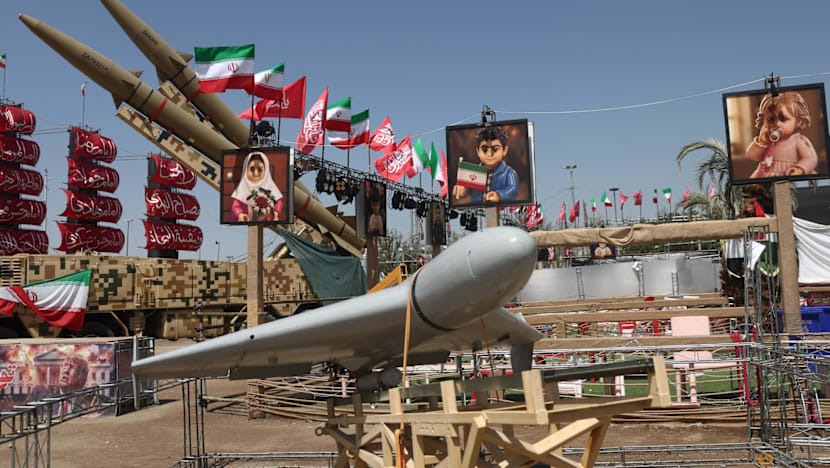

Can China restrain Iran? Gulf states test Beijing's influence
Summarized and contextualized by DistantNews.
At a glance
News
Named sources
Context piece
- Gulf Arab states are seeking China's help to de-escalate the Iran war and ensure safe passage through the Strait of Hormuz and Red Sea.
- They are testing Beijing's willingness and ability to use its economic leverage over Iran, driven by frustration with the war's impact on their energy exports and regional security.
- China, a major trading partner for both the Gulf and Iran, is engaged in diplomatic efforts but has refrained from publicly challenging Tehran's threats, raising questions about its influence and priorities.
As the Iran war intensifies, Gulf Arab states are increasingly turning to China, rather than the United States, to exert economic pressure on Tehran and secure vital shipping lanes. This shift reflects a growing frustration among Gulf nations with the war's disruptive impact on their energy exports and regional stability.
Sources in the Gulf indicate that the states are testing Beijing's capacity and willingness to influence Iran, particularly concerning threats to the Bab el-Mandeb waterway in the Red Sea and the Strait of Hormuz. This push for a greater Chinese role stems from a perception that American power has limitations in resolving the conflict. China's Foreign Minister Wang Yi has been actively engaged in diplomatic calls, while special envoy Zhai Jun has held talks in regional capitals and Iran, with Beijing stating its consistent efforts to stop the fighting and promote peace.
China's position as a significant buyer of Gulf oil and Iran's largest trading partner presents a unique opportunity for leverage, yet also entails sensitivities. Gulf governments reportedly approach these discussions discreetly, valuing their strong trade relationship with China. The ultimate hope is that Beijing will guide Tehran toward a negotiated settlement. However, some analysts suggest that a prolonged conflict might also serve China's strategic interests by increasing pressure on the United States.
Despite developing extensive trade and investment ties with Gulf Cooperation Council states since 2022, China has avoided publicly confronting Tehran's maritime threats. This cautious approach has fueled skepticism about Beijing's commitment to securing the region. While some observers note China's attempts to be more helpful, others question whether its influence is limited by a lack of will or capacity, especially when superpower rivalries dominate strategic calculations.
DistantNews Editorial
Originally published by The Straits Times. Summarized and contextualized by our editorial team with added local perspective. Read our editorial standards.
More Stories


From Our Blog

What Gets Lost (and Found) When News Is Translated

The Critical Role of Diaspora Media in Global News

What Travellers Should Know About Countries with Restricted Press

A Digital Nomad's Guide to Following Local News

How the Same Story Looks Different in Different Countries
