


Can Diet Combat Dementia? Exploring the MIND Diet for Cognitive Health
Translated from German, summarized and contextualized by DistantNews.
At a glance
In-depth
Named sources
Context piece
- The MIND diet, a hybrid of Mediterranean and DASH diets, aims to slow cognitive decline associated with aging and dementia.
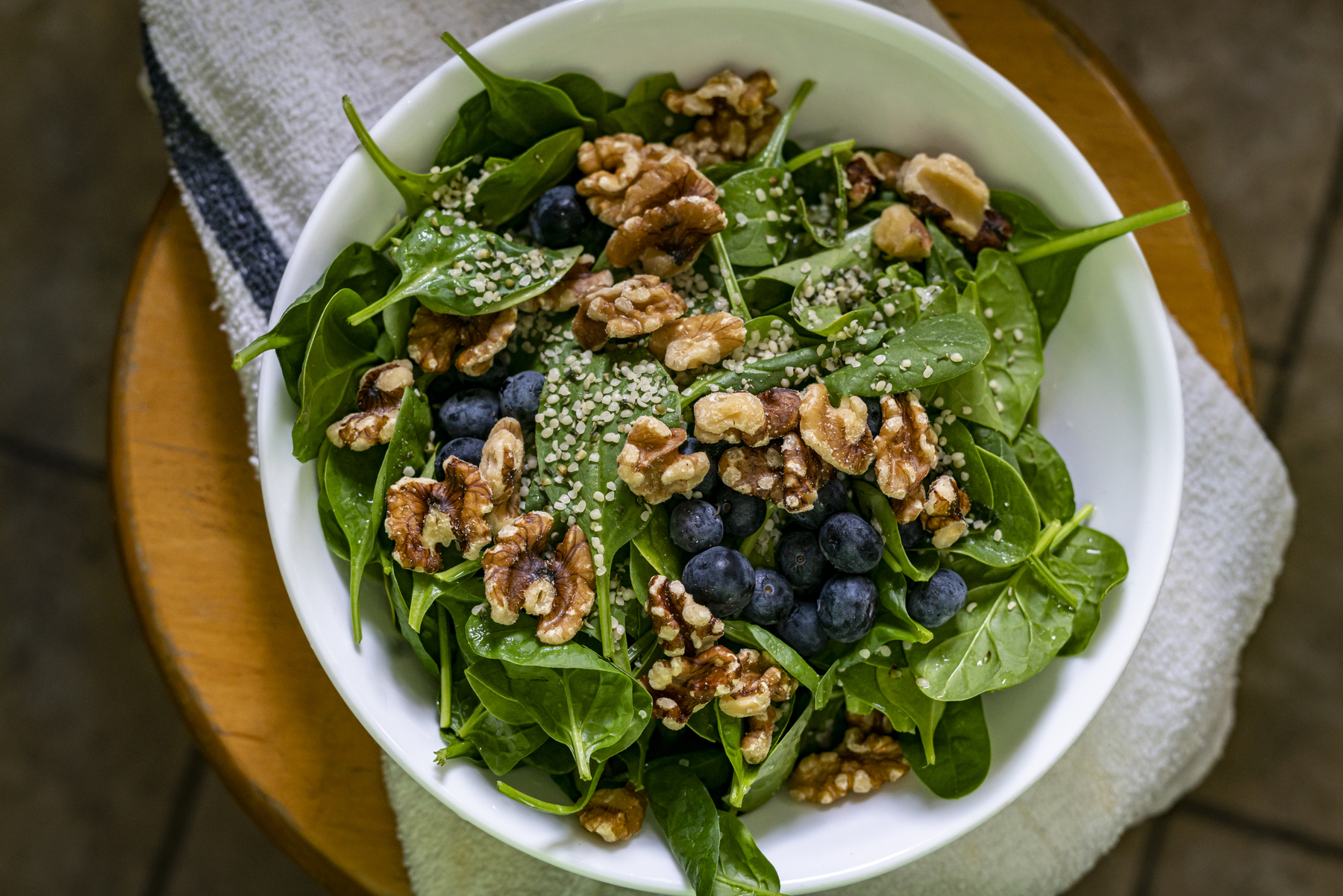
- It emphasizes leafy greens, berries, nuts, whole grains, fish, and poultry, while limiting red meat, sweets, and processed foods.
- While promising, the diet's effectiveness can vary by population, and lifestyle factors like exercise and social contact are also crucial for brain health.
Maintaining cognitive function and potentially delaying the onset of dementia is increasingly linked to lifestyle choices, with up to 45% of dementia risk factors being modifiable, according to the World Health Organization (WHO).
Key recommendations from the WHO highlight the importance of physical activity, cognitive training, and social engagement. Additionally, using hearing aids for hearing loss and reducing exposure to fine particulate matter in the air are noted as beneficial. Nutrition plays an indirect but significant role, as conditions like hypertension, diabetes, and obesity substantially increase dementia risk.
The diet is very similar to the Mediterranean diet.
This is where the MIND diet comes into play. Developed by scientists at Rush University Medical Center in Chicago, the MIND diet is a combination of the Mediterranean diet and the DASH (Dietary Approaches to Stop Hypertension) diet. Its full name, "Mediterranean-Dash Intervention for Neurodegenerative Delay," reflects its goal of slowing cognitive decline.
It's not about dipping white bread in olive oil and eating sheep cheese. Rather, the diet refers to the rural population of Crete or Sicily in the 50s and 60s, who had a rather meager life.
Dietitian Angelika Beirer explains that the MIND diet is similar to the Mediterranean diet but emphasizes specific food groups. It includes plenty of dark leafy greens, other vegetables, berries, nuts, whole grains, fish, and poultry. Moderate wine consumption is also permitted. Conversely, the diet advises limiting red and processed meats, butter, cheese, sweets, fast food, and fried items. It's not a short-term diet but rather a long-term dietary shift.
Beirer notes that the MIND diet is more established in North America than in Europe. She also points out that studies suggest its health benefits regarding dementia can be population-dependent. Therefore, while the MIND diet offers a structured approach to nutrition for brain health, it should be considered alongside other lifestyle factors like exercise and social interaction for a comprehensive strategy against cognitive decline.
The MIND diet is primarily in vogue in North America and much more established there than here. A large proportion of the studies also refer to this population group. The larger reviews also show that it is partly population-dependent how health-promoting it is regarding dementia.
DistantNews Editorial
Originally published by Die Presse in German. Translated, summarized, and contextualized by our editorial team with added local perspective. Read our editorial standards.
More Stories



From Our Blog

What Gets Lost (and Found) When News Is Translated

The Critical Role of Diaspora Media in Global News

What Travellers Should Know About Countries with Restricted Press

A Digital Nomad's Guide to Following Local News

How the Same Story Looks Different in Different Countries
