


Can Europe win a trade war with China? It may depend on how victory is defined
Summarized by DistantNews. Read the original for the full story.
At a glance
News
Sources not specified
Context piece
- Europe is preparing for a potential trade war with China, aiming to protect its manufacturing sector from a "China Shock 2.0."
- The EU is developing resilience and de-risking plans that include deterrents against China's potential trade coercion.
- Analysts are divided on whether a trade war is already underway or if it's an impending storm, with some advocating for its avoidance.
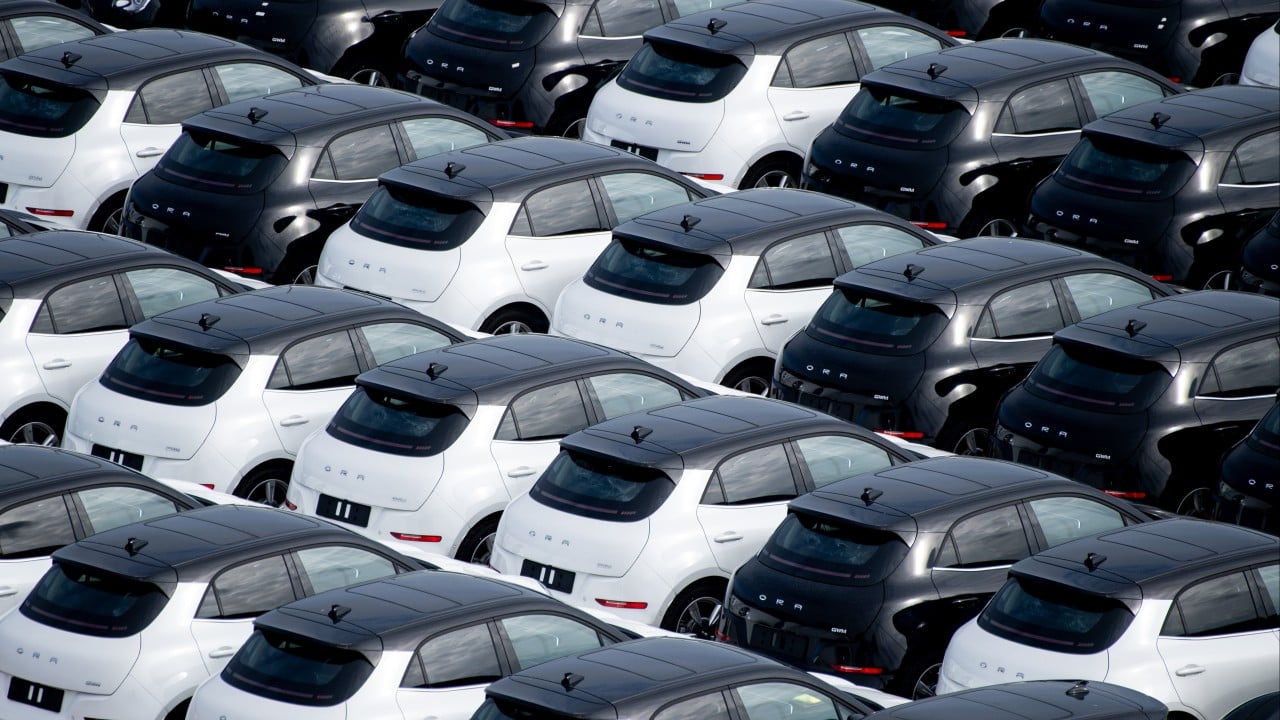
Europe is quietly preparing for a potential trade war with China, driven by a determination in Brussels to shield the bloc's manufacturing heartlands from what is being termed "China Shock 2.0." With some industries already experiencing significant job losses, the European Union's strategies for building resilience and de-risking now incorporate deterrents designed to counter potential trade coercion by Beijing.
The EU aims to acquire leverage and credible retaliatory tools to respond effectively if China employs trade as a coercive measure. This proactive stance reflects growing concerns about economic dependencies and the potential for unfair trade practices.
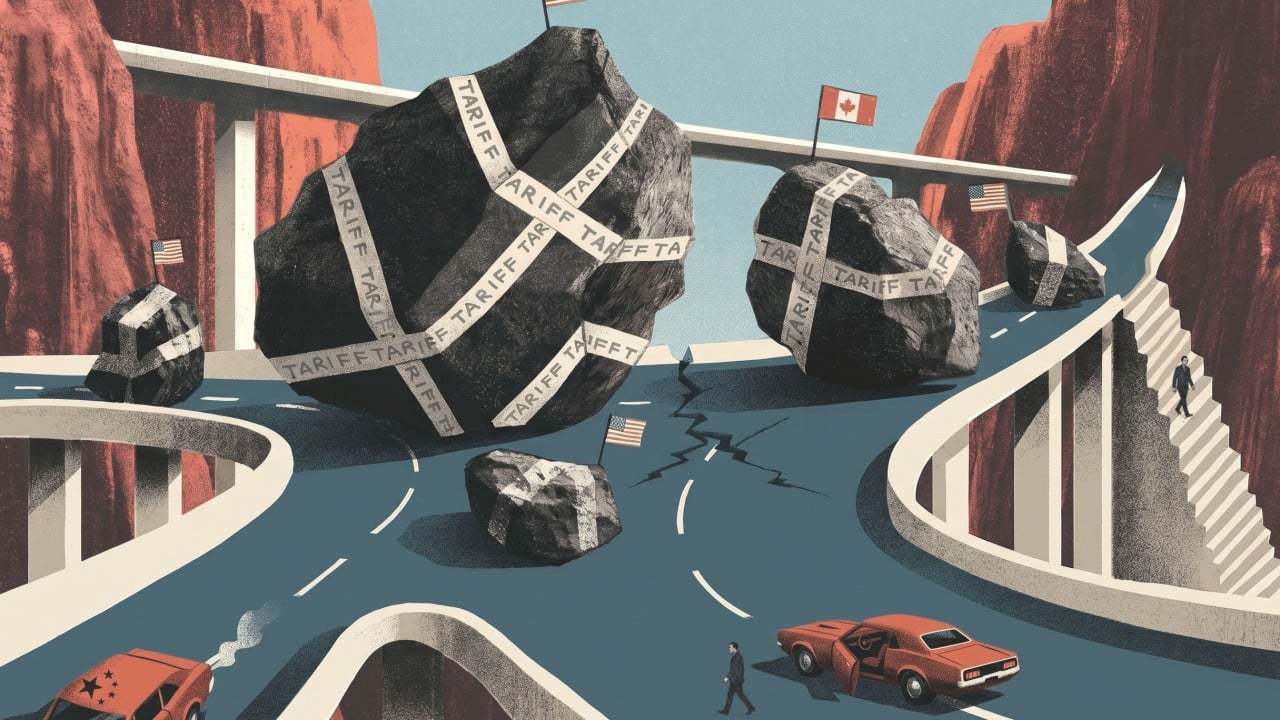
Analysts hold differing views on the current state of trade relations. Some argue that a trade war is already in progress, while others believe the two sides are still bracing for an inevitable conflict. A segment of experts also advocates for avoiding such a confrontation at all costs. The central question emerging is whether Europe could ultimately emerge victorious from such a trade dispute.
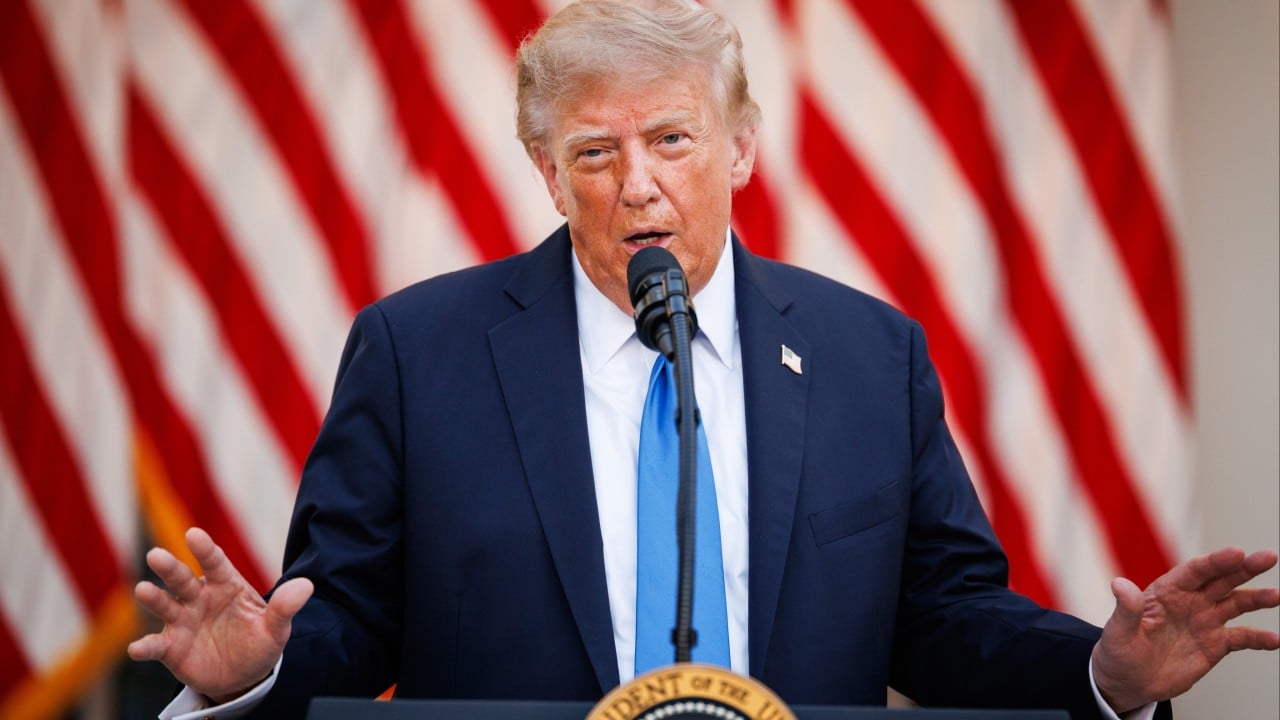
Unlike the assertive stance of former U.S. President Donald Trump, who famously stated that "trade wars are good, and easy to win," there is less hubris evident in Brussels. During a recent parliamentary hearing, Denis Redonnet, the EU's top trade enforcer, emphasized the importance of engaging with Beijing to "avoid sleepwalking" on multiple levels, suggesting a cautious and strategic approach to managing the complex relationship.
to avoid sleepwalking at two levels
About this summary
Originally published by South China Morning Post. Summarized and contextualized automatically by DistantNews, with a note on how the source frames the story. Not individually reviewed before publishing. How this works.
More Stories
From Our Blog

Countries Without a Free Press: The 2026 List and What It Means for Readers

What Press Freedom Means for the News You Read

News in Translation: What Gets Lost, and How We Keep the Framing

Diaspora Media: How Communities Abroad Follow Home

Traveling Where the Press Is Not Free: How to Read the News There
