


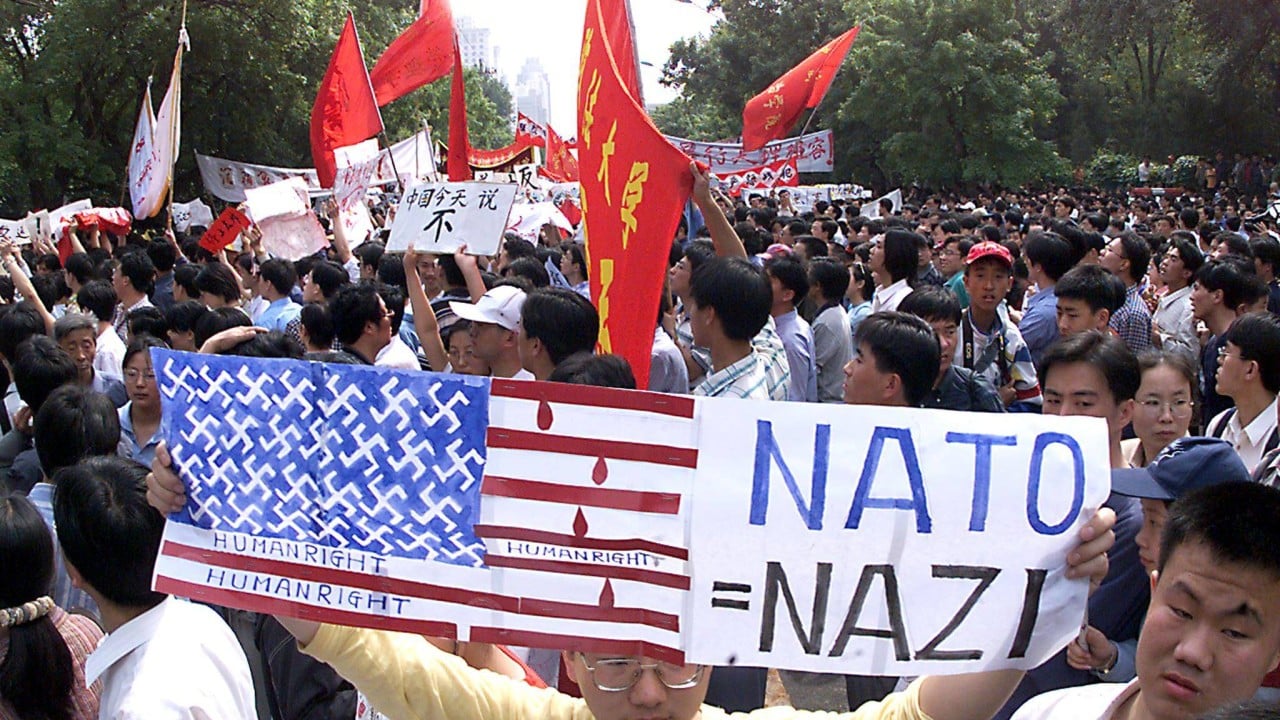
Can India react to Gulf sailors’ deaths like China did with US after 1999 embassy bombing?
Summarized and contextualized by DistantNews.
At a glance
News
Sources not specified
Context piece
- Three Indian sailors died when a tanker near Oman was bombed, an incident India struggles to respond to effectively.
- The US blockade in the Strait of Hormuz prevented evacuation of another Indian sailor who died from medical complications.
- US Secretary of State Marco Rubio's response to India's protests offered no apology, instead warning ships against defying US Navy orders.
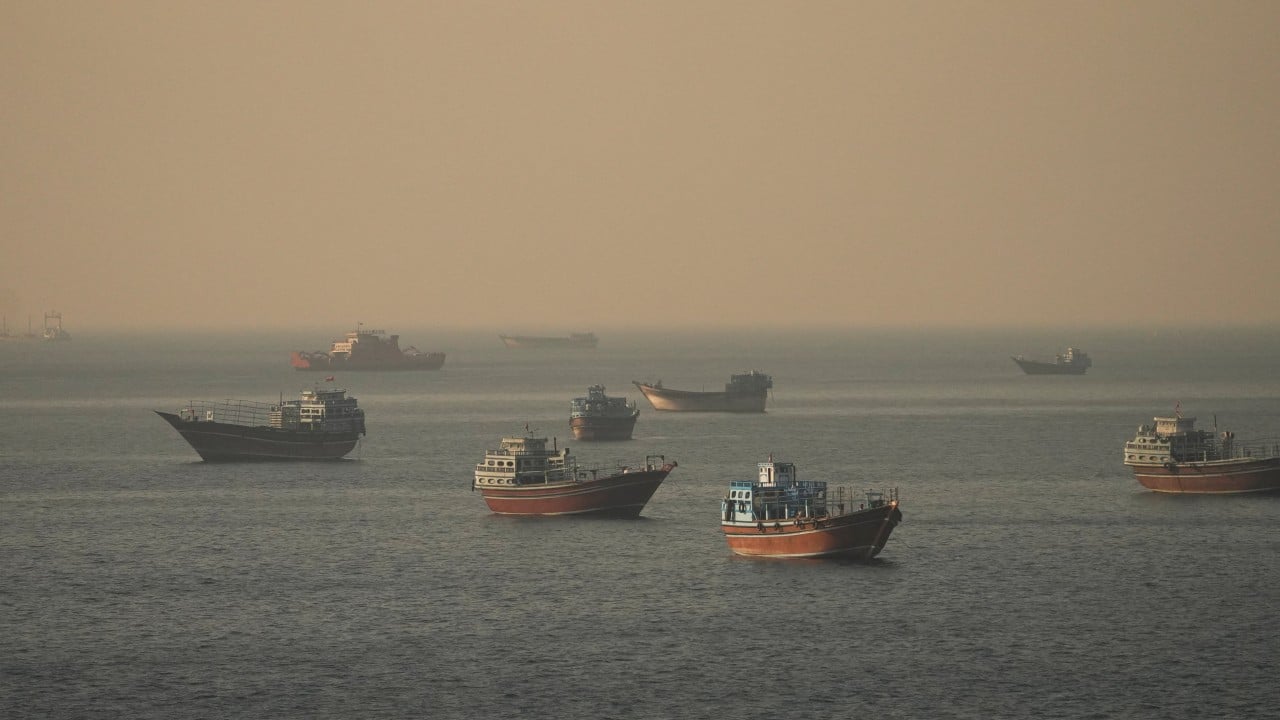
Images of a deceased Indian seafarer, whose body decomposed on a vessel off Oman due to the US blockade in the Strait of Hormuz, have surfaced. The sailor died last Thursday from medical complications, but help could not reach him. The previous day, three other Indian sailors were killed when a nearby tanker was bombed. US Central Command stated the vessel "repeatedly failed to comply with directions from American forces." That same week, US strikes disabled two more Indian-crewed vessels, though no other casualties were reported.
repeatedly failed to comply with directions from American forces
These incidents have ignited anger in India and sparked questions about its capacity to effectively counter American actions. Tensions escalated when Secretary of State Marco Rubio responded to India's protests without offering an apology. Instead, he cautioned ships against defying "orders" from the United States Navy. Approximately 18,000 Indian sailors are reportedly working in the Gulf region, highlighting the significant presence and vulnerability of Indian maritime personnel in the area.
orders
DistantNews Editorial
Originally published by South China Morning Post. Summarized and contextualized by our editorial team with added local perspective. Read our editorial standards.
More Stories

From Our Blog

Countries Without a Free Press: What You Need to Know

What Press Freedom Means for the News You Read

What Gets Lost (and Found) When News Is Translated

The Critical Role of Diaspora Media in Global News

What Travellers Should Know About Countries with Restricted Press
