


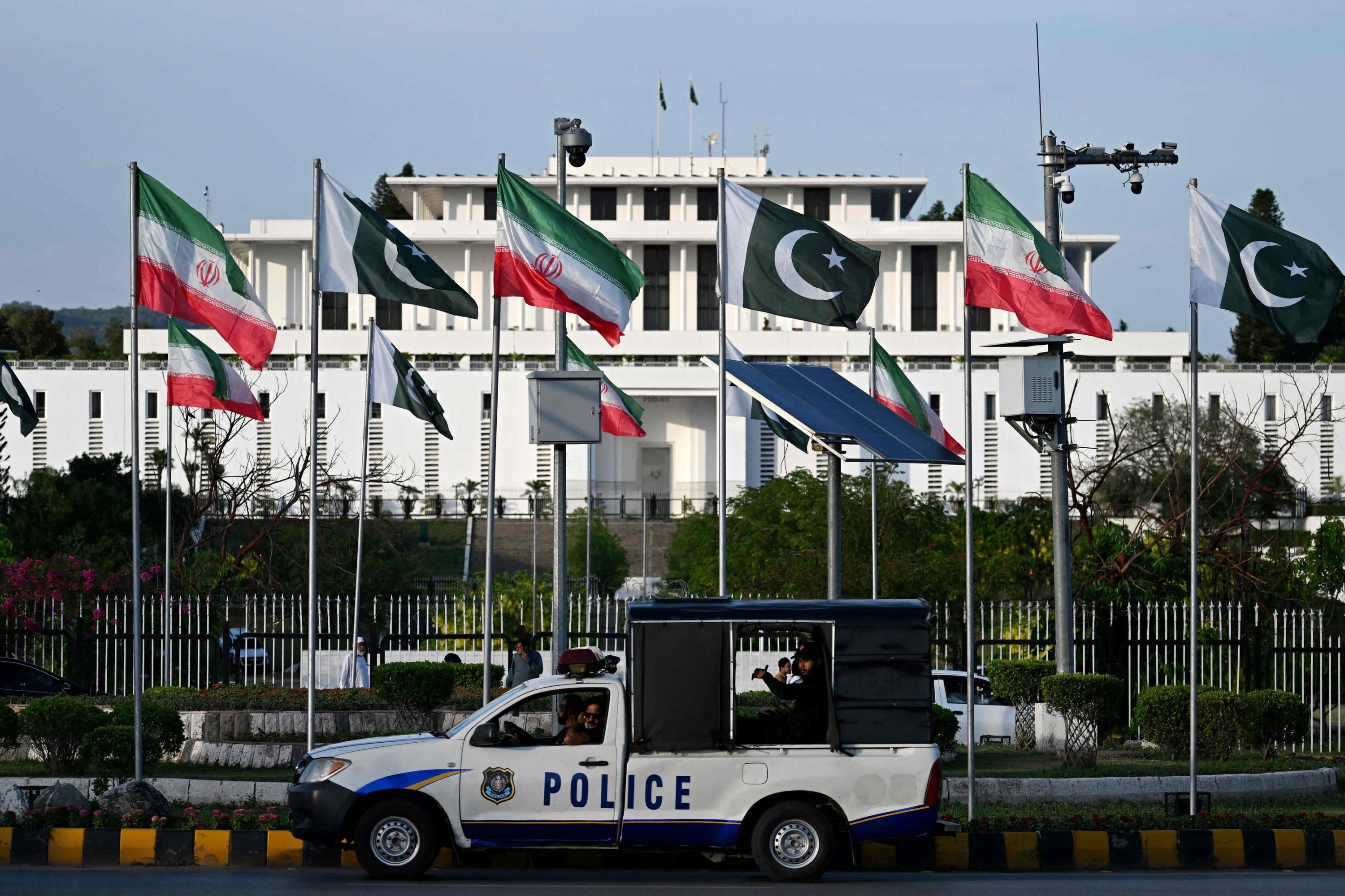
Can Pakistan Convert US-Iran Mediation Success into Lasting Gains?
Translated from English, summarized and contextualized by DistantNews.
At a glance
Analysis
Sources not specified
Context piece
- Pakistan's role in mediating U.S.-Iran dialogue places it at the center of global diplomacy.
- The country has a direct economic interest in preventing regional conflict due to remittances and energy imports.
- Islamabad must leverage diplomatic goodwill for tangible economic and strategic benefits, particularly with Gulf states.
Pakistan's facilitation of dialogue between the United States and Iran has positioned it at the forefront of global diplomacy. Beyond reducing regional tensions, the key challenge for Islamabad is to translate this diplomatic prominence into concrete economic and strategic advantages for the nation.
The stakes are particularly high for Pakistan due to its significant economic ties to the Gulf region. Over 4 million Pakistanis working in Gulf countries send home more than $35 billion annually in remittances, a vital lifeline for the Pakistani economy. A wider regional conflict would threaten these jobs, disrupt trade, and create widespread economic uncertainty. Furthermore, Pakistan heavily relies on imported fuel, and any crisis in the Gulf, where a fifth of the world's oil supply passes through the Strait of Hormuz, would drive up energy prices.
Pakistan's ability to engage with multiple global players, including the U.S., China, Iran, Saudi Arabia, and Türkiye, grants it unique diplomatic access. However, the country has historically struggled to convert geopolitical importance into sustained economic growth. This moment presents an opportunity to deepen economic partnerships, especially with Gulf states like Saudi Arabia, the UAE, and Qatar, whose sovereign wealth funds manage trillions of dollars.
To ensure lasting gains, Pakistan must move beyond ceremonial announcements and focus on converting investment commitments into tangible projects. Reviving discussions on regional connectivity is also crucial, leveraging Pakistan's strategic geographic position as a potential commercial and transit hub linking South Asia, Central Asia, and the Middle East. The nation's economic necessity for Gulf stability underscores the importance of converting its diplomatic successes into domestic prosperity.
DistantNews Editorial
Originally published by Daily Sabah in English. Translated, summarized, and contextualized by our editorial team with added local perspective. Read our editorial standards.
More Stories


From Our Blog

What Gets Lost (and Found) When News Is Translated

The Critical Role of Diaspora Media in Global News

What Travellers Should Know About Countries with Restricted Press

A Digital Nomad's Guide to Following Local News

How the Same Story Looks Different in Different Countries
