


Can technology give China’s farmers an edge against extreme weather?
Summarized by DistantNews. Read the original for the full story.
At a glance
In-depth
Named sources
Context piece
- A 67-hectare demonstration farm in Huizhou uses sensors, drones, artificial intelligence and remote irrigation to manage crops and prepare for extreme weather.
- The farm began typhoon preparations two days before Typhoon Noul made landfall, limiting damage compared with some surrounding fields and structures.
- The technology improves monitoring and efficiency, but expanding access to such systems remains a challenge.
Across 67 hectares in Huizhou, rice, potatoes and corn are growing with barely a worker in sight. The demonstration farm, operated by Shenzhen-based agricultural technology company FN Holdings, offers a glimpse of how technology could reshape farming in China.
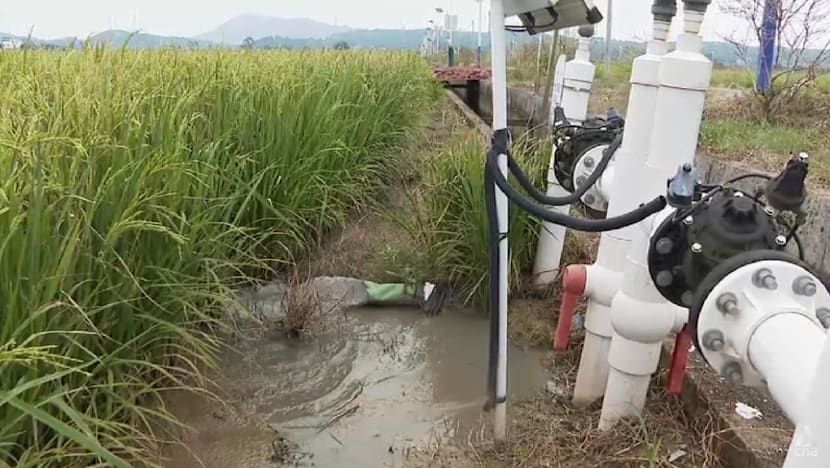
Sensors collect information on weather, soil conditions, pests and plant growth. Drones inspect crops from above, while artificial intelligence analyses the data. Irrigation can also be controlled remotely through a phone app. “I can navigate to the water system and activate the right valve,” project manager Liu Lizhu told CNA. “It’s convenient as I don't have to walk 50km to reach a water pump. I can just open it right from my phone.”
I can navigate to the water system and activate the right valve.
The technology is particularly useful across large rice fields, where manual inspections are difficult. “With drones, I can get aerial shots of the entire crop growth and pest and disease conditions. This greatly improves efficiency,” Liu said. He added that drone pesticide spraying can be dozens of times more efficient than traditional methods, requiring only one person to operate the equipment.
It’s convenient as I don't have to walk 50km to reach a water pump. I can just open it right from my phone.
The farm also uses the system to prepare for typhoons, which frequently affect Guangdong. When Typhoon Noul reached Huizhou in late July, preparations began two days in advance. Workers reinforced fences and equipment and cleared drainage routes. Only a small part of the farm suffered serious damage. Its rice remained standing, while large areas on nearby farms experienced lodging, with crops bending or falling over.
Liu attributed the difference to planting techniques and schedules, early warnings, preventive measures and stronger infrastructure. The farm’s greenhouses remained standing while some nearby structures were destroyed. Unlike general weather warnings, FN Holdings’ system analyses the data and recommends specific preparations. Liu also said the technology has helped increase rice yields, while the wider challenge is making such tools available to more farmers.
With drones, I can get aerial shots of the entire crop growth and pest and disease conditions. This greatly improves efficiency.
About this summary
Originally published by CNA. Summarized and contextualized automatically by DistantNews, with a note on how the source frames the story. Not individually reviewed before publishing. How this works.
More Stories


From Our Blog

What Gets Lost (and Found) When News Is Translated

The Critical Role of Diaspora Media in Global News

What Travellers Should Know About Countries with Restricted Press

A Digital Nomad's Guide to Following Local News

How the Same Story Looks Different in Different Countries
