


Himalayas Face Severe Glacial Flood Risks in Years Ahead, U.N. Official Warns
Translated from English and summarized by DistantNews. Read the original for the full story.
At a glance
Newswire
Named sources
Ongoing story
- The Himalayan region faces rising risks from glacier collapses and glacial lake outbursts, according to U.N. official Kanni Wignaraja.
- The threats could endanger hydropower infrastructure and millions of people living along river systems, with Nepal especially dependent on glaciers.
- A recent flood in Nepal killed more than 1,000 people and destroyed or damaged power infrastructure, while officials said some events would overwhelm available defences.
Future glacial floods could make parts of the Himalayan riverbanks uninhabitable and threaten the hydropower systems on which many communities depend, a senior United Nations official told Reuters.
Kanni Wignaraja, a U.N. assistant secretary-general and regional director for Asia and the Pacific at the United Nations Development Programme, said the population at risk “goes into the millions.” She cited data compiled by the UNDP and partner organisations in June.
Technology cannot move fast enough to prevent loss along these massive river systems that catch the overflow of the glacier lakes.
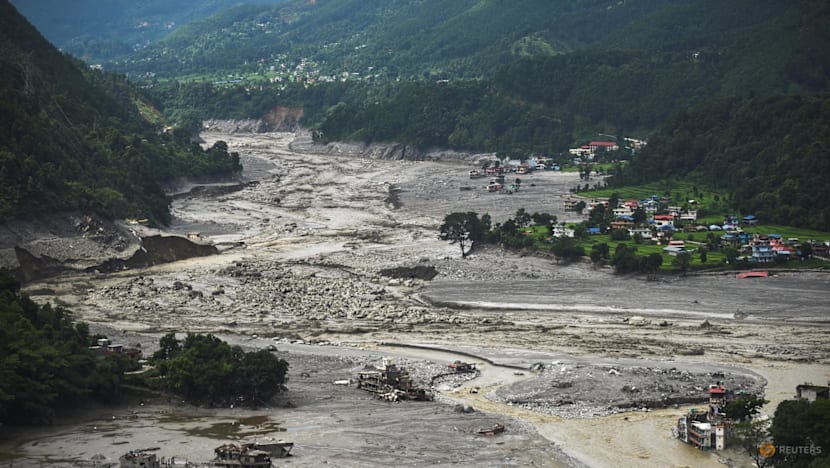
The warning followed a deadly flood in Nepal that began when part of a glacier near Langtang Lirung mountain collapsed. The resulting landslide sent a flood wave down the Trishuli River, pushing the death toll above 1,000.
Goes into the millions.
Glacial lake outbursts pose a separate danger. They occur when melting water accumulates behind a natural barrier and pressure causes the barrier to break or overflow. U.N. officials say both types of threat are increasing as climate change accelerates glacier melt, loosens mountain rock and places greater pressure on lake barriers. The region’s relatively young mountains can also experience tectonic shifts that trigger sudden collapses.
Nepal depends heavily on glaciers for water and income. Wignaraja said people living along rivers may not be able to afford relocation to higher ground. UNDP said the latest flood knocked out 15 major power stations under construction, in addition to stations already operating. New technology can improve the resilience of electrical networks and hydropower facilities, Wignaraja said, but “there’s no construction that could have stopped this” mud and ice surge.
There’s no construction that could have stopped this.
About this summary
Originally published by The Straits Times in English. Translated, summarized, and contextualized automatically by DistantNews, with a note on how the source frames the story. Not individually reviewed before publishing. How this works.
More Stories


From Our Blog

What Gets Lost (and Found) When News Is Translated

The Critical Role of Diaspora Media in Global News

What Travellers Should Know About Countries with Restricted Press

A Digital Nomad's Guide to Following Local News

How the Same Story Looks Different in Different Countries
