


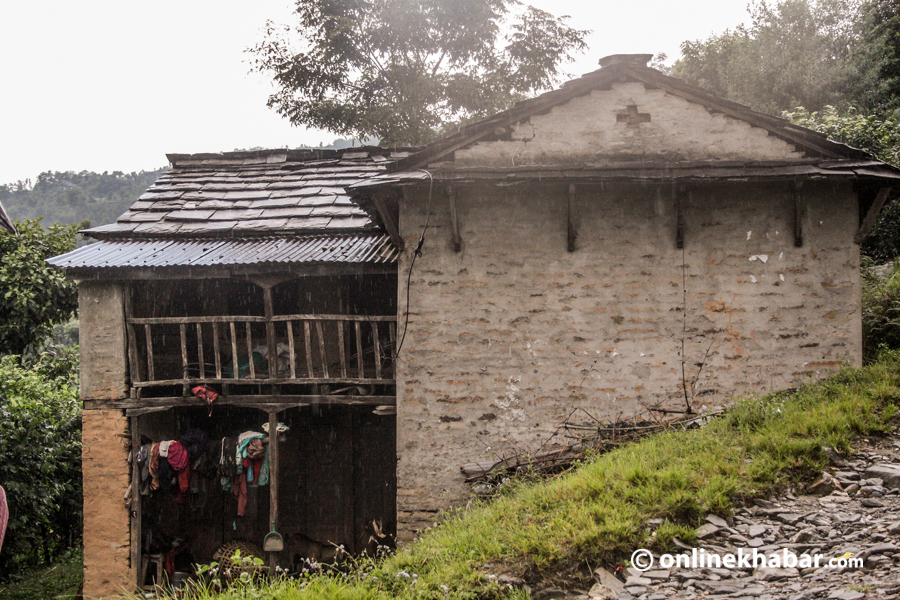
Can we make Nepal’s traditional homes safer without replacing them?
Summarized and contextualized by DistantNews.
At a glance
In-depth
Sources not specified
Context piece
- Nepal faces a dilemma in rebuilding homes after the 2015 earthquake, balancing safety with cultural preservation.
- Traditional masonry homes, built with local materials and reflecting centuries of cultural practices, were devastated by the earthquake.
- Replacing them with reinforced concrete offers safety but risks losing unique architectural heritage and local economic support.
A decade after the devastating 2015 Gorkha earthquake, Nepal grapples with a critical question: can traditional homes be made safer without sacrificing their cultural essence? The earthquake reduced over 600,000 houses to rubble, claiming thousands of lives and leaving hundreds of thousands homeless. In the aftermath, many Nepalis opted to replace their damaged traditional masonry houses with reinforced concrete buildings, viewing them as symbols of safety, progress, and a new beginning.
However, this shift raises concerns about the loss of Nepal's rich architectural heritage. Traditional homes, constructed using locally sourced stone, brick, timber, and mud mortar, represent centuries of accumulated knowledge and craftsmanship. These structures were ingeniously designed to suit the Himalayan environment, offering natural cooling in summers and warmth during harsh winters. Features like the Bhakari for grain storage, the attic for household goods, and the Pidi porch for community gatherings highlight a way of life deeply intertwined with the architecture.
The central Ageno, or fireplace, was more than a cooking area; it served as the heart of the home, fostering intergenerational connection and storytelling. Replacing these homes with modern concrete structures risks erasing not only unique architectural styles but also the social and cultural fabric that these spaces have nurtured for generations.
Beyond cultural implications, the choice between traditional and modern construction carries significant environmental and economic weight. Traditional methods rely on local materials and labor, bolstering rural economies and minimizing transportation impacts. Conversely, reinforced concrete construction demands manufactured materials like cement and steel, often requiring costly and environmentally taxing transport to remote mountain regions. This transition places a considerable financial burden on families while potentially increasing the construction sector's environmental footprint.
DistantNews Editorial
Originally published by OnlineKhabar English. Summarized and contextualized by our editorial team with added local perspective. Read our editorial standards.
More Stories


From Our Blog

What Gets Lost (and Found) When News Is Translated

The Critical Role of Diaspora Media in Global News

What Travellers Should Know About Countries with Restricted Press

A Digital Nomad's Guide to Following Local News

How the Same Story Looks Different in Different Countries
