


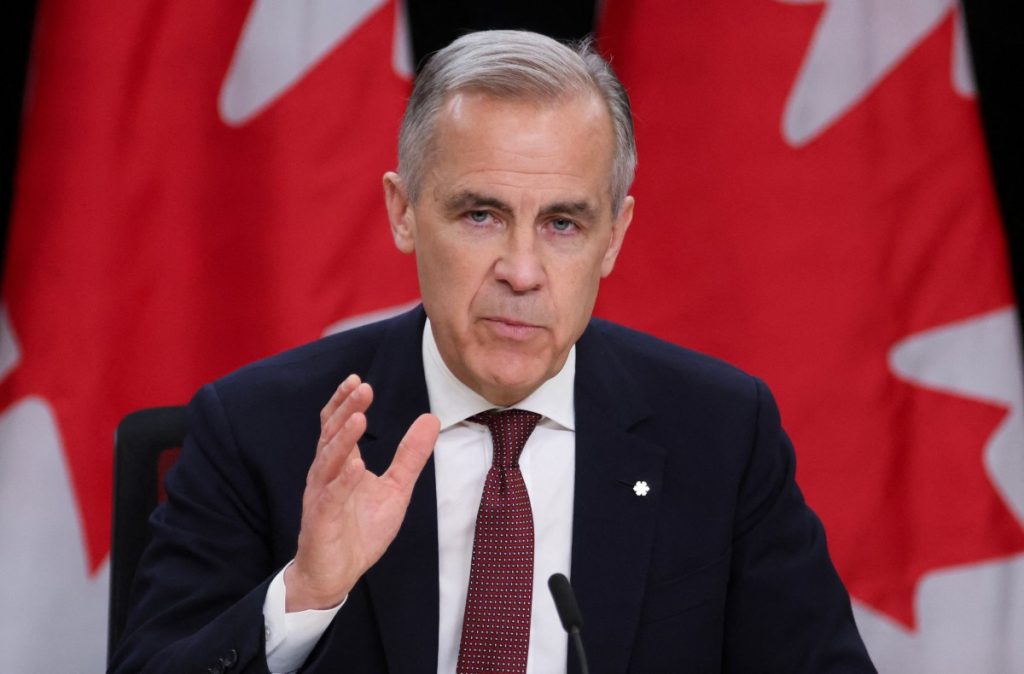
Canada evaluating ‘all options’ after fresh US tariffs threat
Summarized and contextualized by DistantNews.
At a glance
News
Sources not specified
Context piece
- Canadian Prime Minister Mark Carney is considering all options after US President Donald Trump threatened new 50 percent tariffs on many Canadian goods.
- The proposed tariffs, set to take effect in 30 days, would impact various products but exclude energy and some other sectors.
- Carney and Trump have agreed to intensify discussions on a potential deal, though no travel to Washington was suggested.
Canada is evaluating "all options" in response to a threat by US President Donald Trump to impose new 50 percent tariffs on a wide range of Canadian goods within 30 days. Prime Minister Mark Carney stated that the government is prepared to respond if the tariffs are implemented.
We will look at all options in terms of how we would respond if they do come into effect.
The proposed duties would affect numerous Canadian products, including wine, hockey sticks, and cement. However, energy, potash, and goods already subject to sector-specific tariffs would be exempt. Significantly, the tariffs would also target products covered under the US-Mexico-Canada free trade agreement (USMCA), which is itself slated for renegotiation after the US indicated it would not extend the accord in its current form.
Carney mentioned that he and Trump have agreed to "intensify discussions" in the coming weeks regarding a potential trade deal. He did not indicate any plans for travel to Washington for these talks. "The first objective is to get a comprehensive agreement," Carney told reporters following a conversation with Trump.
We will look at all options in terms of how we would respond if they do come into effect.
While Trump has previously imposed tariffs on various trading partners, such measures often exempted goods entering the US under the USMCA. Canada's conservative opposition has criticized Carney's government, advocating instead for the country to focus on "unblocking" its resources to counter Trump's trade actions, rather than pursuing new trade deals.
The first objective is to get a comprehensive agreement.
DistantNews Editorial
Originally published by Vanguard. Summarized and contextualized by our editorial team with added local perspective. Read our editorial standards.
More Stories


From Our Blog

How the Same Story Looks Different in Different Countries

What Gets Lost (and Found) When News Is Translated

The Critical Role of Diaspora Media in Global News

What Travellers Should Know About Countries with Restricted Press

A Digital Nomad's Guide to Following Local News
